The cockpit of a commercial airliner is designed to be a sanctuary of absolute precision. At thirty-five thousand feet, surrounded by the crushing, indifferent vacuum of the upper atmosphere, human beings rely entirely on glass, wire, and the cold, unyielding discipline of procedure. Every switch has a weight. Every instrument glow serves as a silent promise between the crew upfront and the hundreds of souls asleep in the cabin behind them.
Then, the floor gives way.
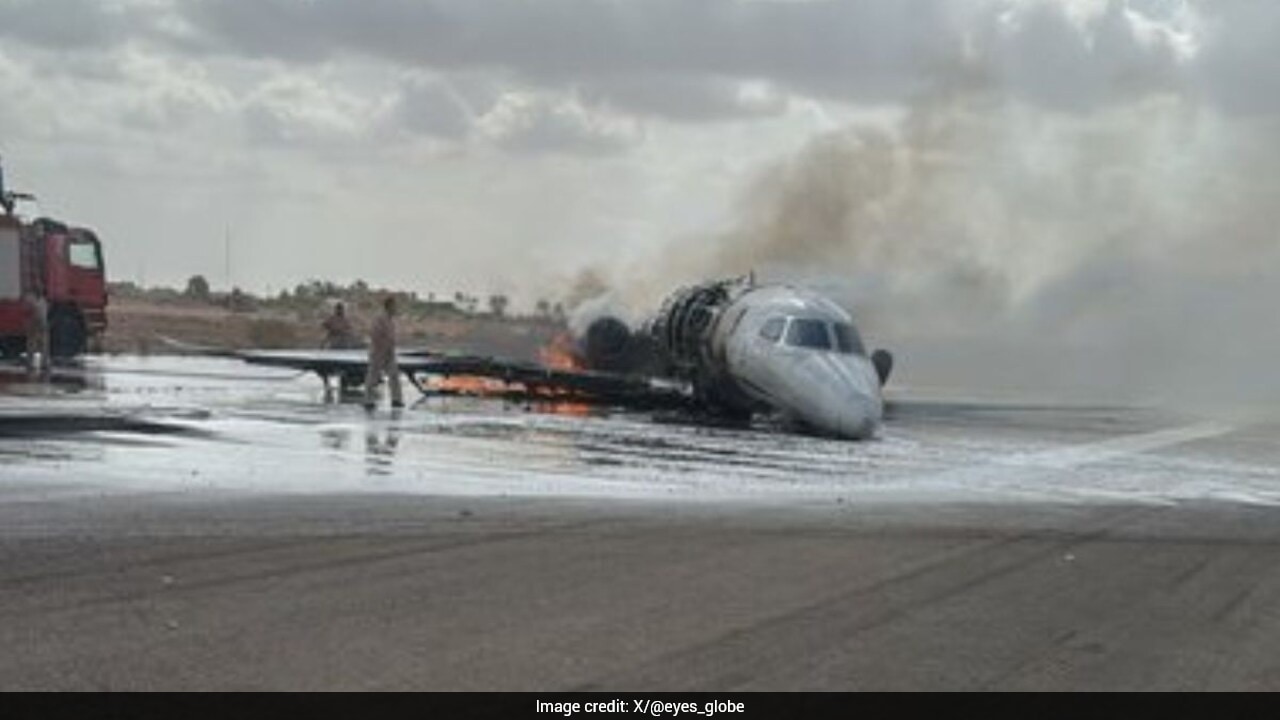
Not literally, of course. But metaphorically, when human judgment collapses in the flight deck, the aircraft ceases to be a machine and becomes a hurtling missile. That terrifying reality collided with the tarmac when two pilots, entrusted with the lives of passengers aboard an aircraft in Libya, allegedly crossed an invisible, unforgiving line. Accused of flying under the influence of alcohol before a disastrous runway crash, their story is not merely a legal docket or an aviation bulletin. It is a profound, chilling descent into the fragility of professional trust.
Consider what happens inside the mind of a pilot long before the wheels ever leave the ground. The uniform is pressed. The briefing is signed. The checklists—those sacred scrolls of survival passed down through a century of aviation blood and aviation error—are methodically ticked off. Pre-flight checks are performed in the dim, pre-dawn light of the tarmac. The engines whir to life, a low, mechanical heartbeat that vibrates through the floorboards.
To the casual observer passing through the terminal, everything looks normal. The system functions because we assume it functions. We bank our lives on the unspoken pact that the person at the controls values their own survival just as much as ours, and that professional pride acts as an unbreakable shield against personal chaos.
Alcohol is a thief of judgment. It whispers in the quietest corners of the nervous system, dulling the sharp edges of situational awareness, blurring the horizon line, and transforming a crisis into a confusing blur. In a high-stress environment like aviation, where split-second decisions dictate the difference between a smooth touchdown and catastrophic destruction, the margin for error is razor-thin. A sober mind operating at ninety percent capacity is already flirting with disaster. A compromised mind flying a heavy jet is a disaster waiting for its coordinates.
When the aircraft touched down in Libya, it did not merely land; it breached the boundary between order and chaos. The impact was violent, sudden, and unforgiving. Metal shrieked. Glass shattered. The chaotic reality of the runway crash laid bare the catastrophic consequences of a compromised flight crew.
Yet, the most haunting aspect of this tragedy is not the twisted metal on the runway. It is the quiet hours that preceded it.
Picture a hotel room hours before departure. The silence of the night. The weight of isolation that frequently accompanies a pilot's transient lifestyle—moving from time zone to time zone, hotel room to hotel room, disconnected from community, family, and grounding routines. It is an occupation that demands immense psychological stamina, yet the support systems guarding the mental health and sobriety of flight crews are often rigid, punitive, rather than restorative.
This is not an excuse. It is an exploration of the human fault lines that institutions often ignore until it is too late. When a pilot reaches for a bottle instead of rest, they are usually participating in a slow, internal erosion. They are flying blind long before they ever step foot near the aircraft door.
Aviation safety has achieved miraculous milestones over the past several decades. We built planes that can almost fly themselves, navigation systems that pierce through the thickest fog, and redundancy structures that safeguard against mechanical failure. But we have yet to engineer a failsafe for the human heart. We cannot manufacture an alarm that sounds when a person's judgment finally rots from the inside out.
The investigation that followed the Libyan runway crash would ultimately focus on toxicology reports, flight data recorders, and air traffic control transcripts. Investigators would reconstruct the final seconds of the flight down to the millisecond. They would parse through radio chatter, noting the slight slurring of a word, the delayed reaction to a wind shear warning, the terrifying realization by the co-pilot or crew members that the person steering the ship was steering them into the earth.
But numbers and reports fail to capture the visceral betrayal felt by the passengers who climbed aboard trusting strangers with their tomorrow. Every time we board an airplane, we perform an act of radical vulnerability. We hand our lives over to individuals we have never met, trusting their sobriety, their training, their clarity of mind.
When that trust is shattered by negligence, it ripples outward. It shakes public confidence in an entire industry. It forces airlines and regulatory bodies to re-examine the efficacy of random alcohol screenings, psychological monitoring, and the cultural stigma surrounding substance abuse in high-stakes professions.
The wreckage has long been cleared from the runway. The official reports have been filed, cataloged, and stored away in institutional archives. But the shadow of that descent lingers. It remains a stark reminder that no matter how advanced our technology becomes, no matter how sleek the fuselage or how sophisticated the cockpit avionics, the safety of human lives ultimately depends on the quiet, steady discipline of the human soul.
The engines are quiet now. The runway is dark. And somewhere out there, another flight is being prepared for takeoff, beneath a vast and indifferent sky.



