The marble floors of the United Nations headquarters in New York have absorbed decades of footsteps, whispers, ultimatums, and quiet compromises. They are stone designed to look permanent. But diplomacy is fluid. It is made of breath, coffee cups, hurried translations, and the fragile belief that men can talk rather than bleed.
Then the phone call arrives.
Imagine a room six floors above First Avenue. The air smells of recycled oxygen and printer toner. A junior attaché looks at his phone screen, then at the man sitting across the mahogany table—a man holding a passport stamped with the seal of the Islamic Republic of Iran. The message is not a negotiation anymore. It is an exit visa with a ticking clock.
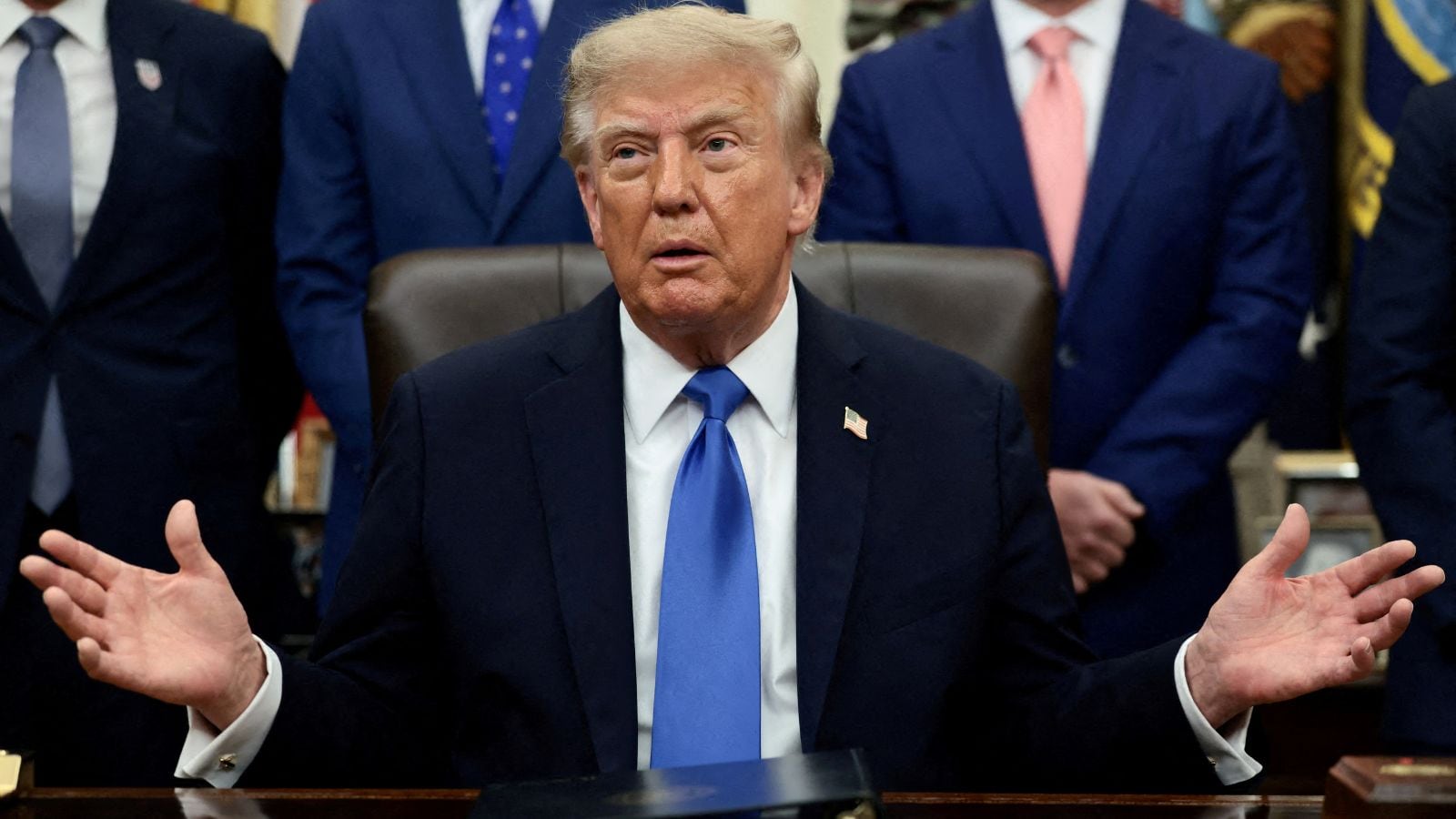
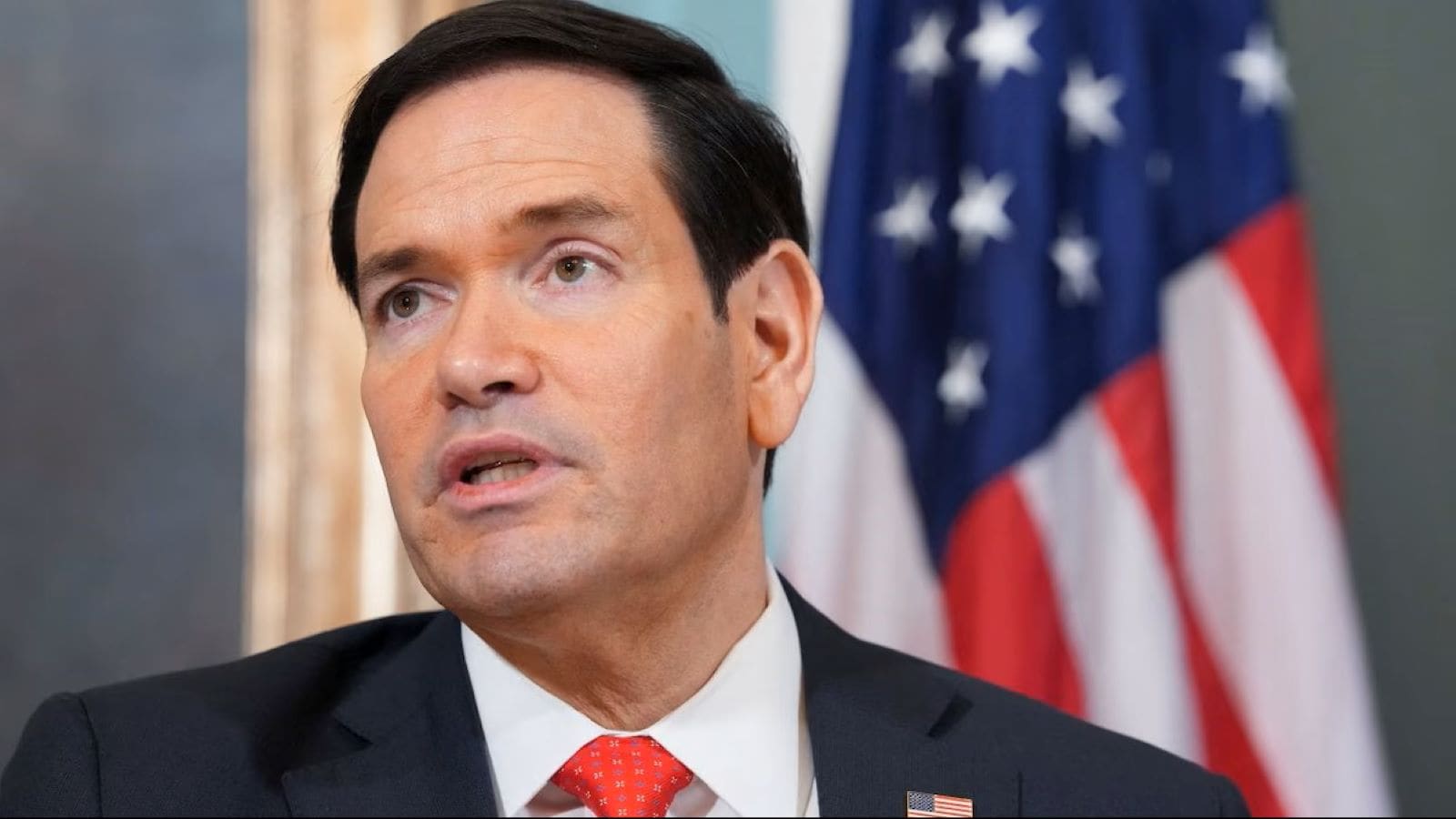
Reports indicate that Marco Rubio, operating within the high-stakes machinery of American foreign policy, ordered the Iranian UN delegation to pack their bags and leave United States soil after diplomatic talks hit a brick wall.
It is a stark move. It is also an ancient one.
When words fail, doors lock.
To understand why this matters, you have to step away from the cable news chyrons and look at the geometry of physical presence. Why do we send diplomats to foreign capitals at all? In an era of encrypted messaging, secure satellite links, and instantaneous video feeds, why pack eighty people into a conference room in midtown Manhattan?
Because screens flatten humanity.
A screen allows a leader thousands of miles away to blink, to harden their jaw, to look at a ticker tape of casualties and shrug. A room forces you to smell the coffee your adversary is drinking. It forces you to watch the micro-expression in an eye when a red line is crossed. Physical proximity is the last tether holding civilization back from total darkness.
When you cut that tether, you are not just expressing displeasure. You are lowering the portcullis.
The talks did not stall because someone used the wrong adjective. They stalled because the gap between two worldviews became an abyss. On one side, a Washington eager to squeeze an ideological rival until the economic and political bones crack. On the other, a Tehran calcified by decades of sanctions, convinced that compromise is just another word for surrender.
Consider what happens when the delegation receives the order. Suitcases are hauled out of closets in Queens and Riverdale. Papers are shredded. Encrypted hard drives are wiped or boxed into lead-lined pouches. The wives who bought groceries at the local bodega yesterday morning are now calling airlines, calculating layovers in third-country capitals because direct flights are a casualty of geography and politics.
This is the human cost of high-level chess. The pieces do not just move on a board; they bleed, they pack, they catch flights.
For decades, the United States has played host to the world, serving as the reluctant landlord of global friction. Under the 1947 UN Headquarters Agreement, America has specific obligations to facilitate the work of international diplomats. Yet, sovereignty is a jealous god. When national security arguments are invoked, treaties are tested against the raw muscle of state power.
Expelling a delegation is rarely done. It is the diplomatic equivalent of drawing a pistol during a card game. It says: We are done pretending.
And yet, there is a strange irony in the timing. Talks stall precisely when both sides believe they have more to gain by walking away than by sitting still. Tehran calculates that endurance is its superpower. Washington calculates that isolation is its hammer.
Neither side is entirely wrong. And that is what makes it terrifying.
When the last black sedan carrying the Iranian diplomats pulls away from Dag Hammarskjöld Plaza and heads toward JFK Airport, the street will look normal. Yellow cabs will honk. Pigeons will peck at pretzels on the sidewalk. Tourists will take selfies with the flags of the world fluttering in the breeze.
But inside the building, the air will feel thinner.
We live in a moment where bridge-burning has become a spectator sport. Leaders are cheered not for the concessions they win, but for the insults they hurl. We treat diplomacy like a reality show where the elimination round is the only part anyone watches.
The danger of ordering a delegation to leave is not that it offends polite sensibilities. Politeness is overrated anyway. The danger is that once you clear the room, the only thing left to fill the vacuum is the terrible, predictable music of escalation.
History teaches us that wars rarely start with a sudden explosion. They start in rooms like this one, when the last conversation ends, the chairs are pushed back from the table, and the door clicks shut behind the departing guests.
The silence that follows is deafening.