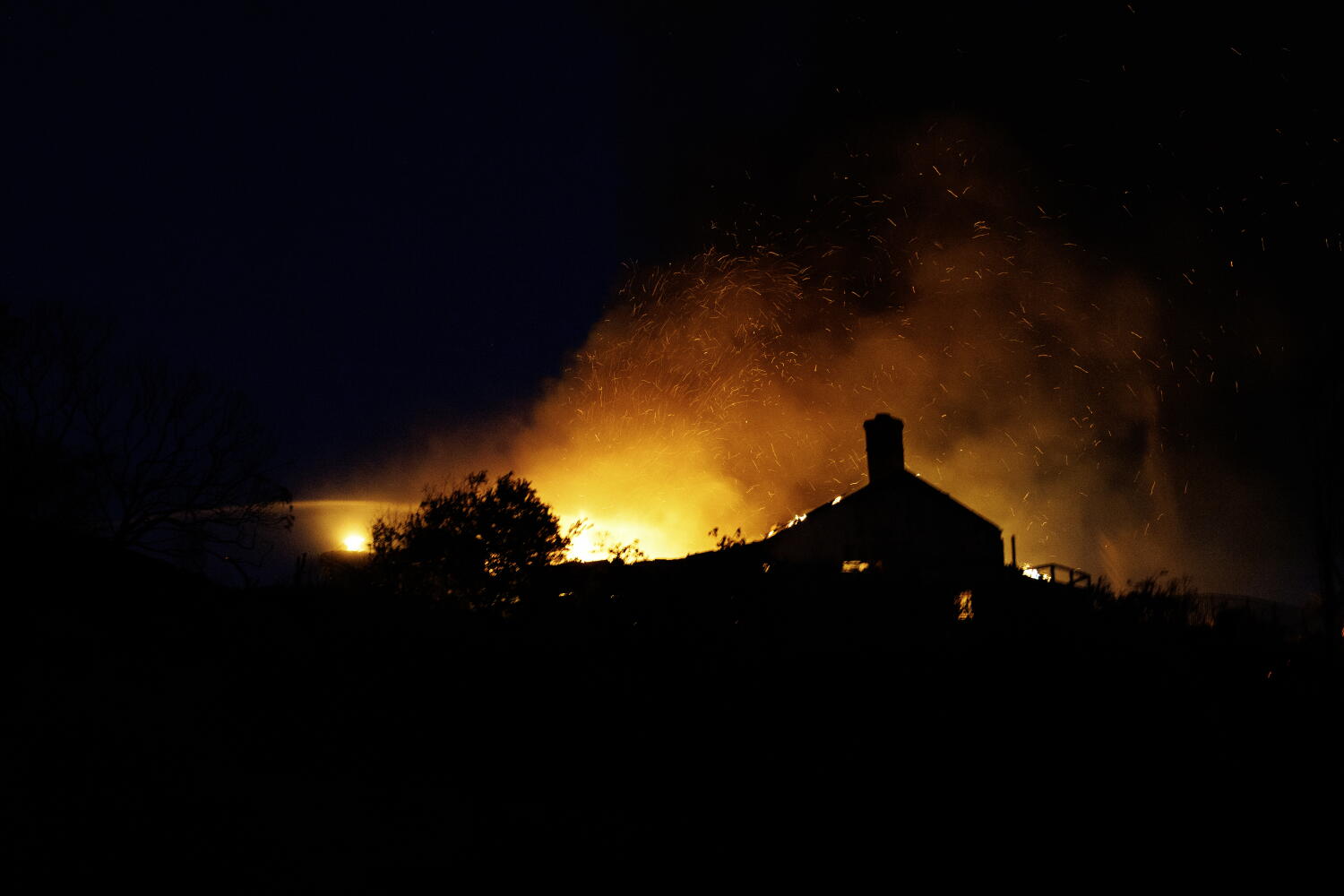
Southern California residents woke up to the smell of ash and the familiar, terrifying roar of offshore gales. Another round of ferocious Santa Ana winds has slammed the region, driving fast-moving brush fires through Orange County neighborhoods and reducing homes to smoldering foundations. Yet the immediate devastation of property is only the most visible symptom of a chronic municipal failure. Year after year, meteorologists track the high-pressure systems building over the Great Basin, utility companies scramble to shut off power grids, and local agencies issue urgent evacuation warnings. The routine remains predictable. The outcomes grow steadily worse.
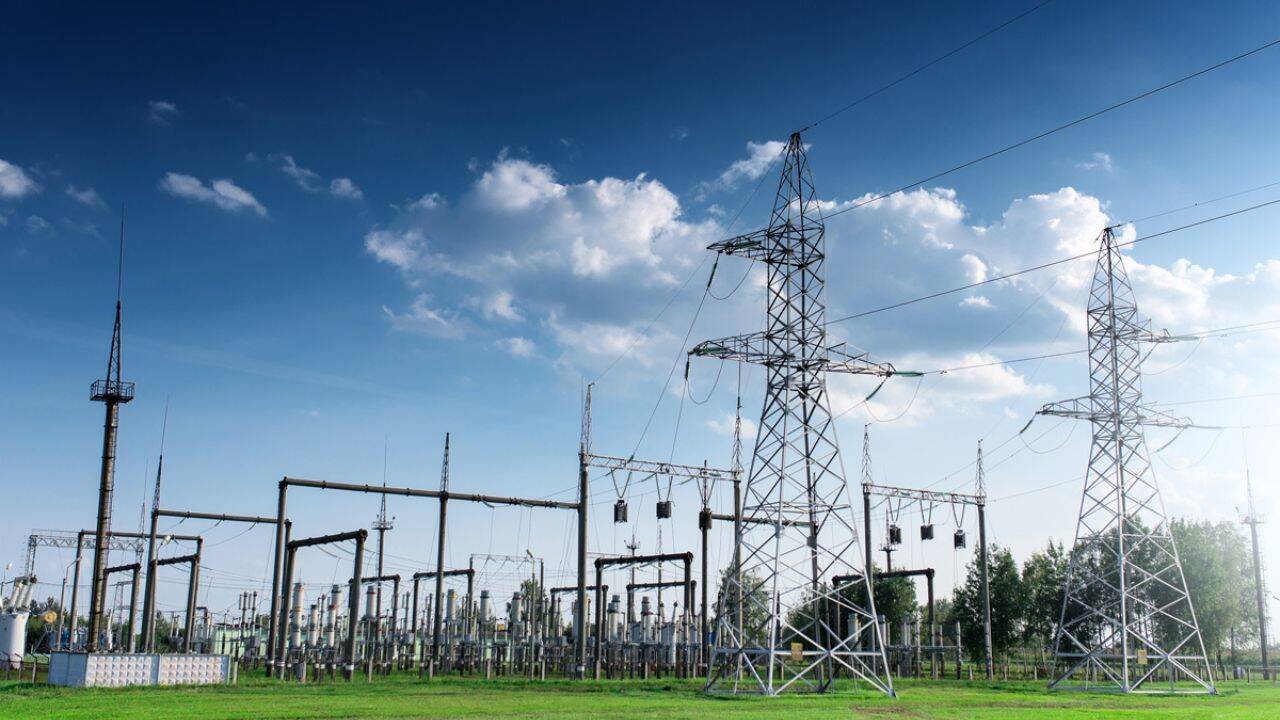
Atmospheric physics dictate the severity of these events. High pressure over the Great Basin forces cold, dry air outward toward the coast, accelerating as it squeezes through mountain passes and canyons. As the air descends, it compresses and warms rapidly, dropping relative humidity to single digits. Dead vegetation, dried out by persistent drought and multi-year rainfall deficits, acts as kindling. A single spark from a downed power line, a catalytic converter, or human negligence transforms chaparral into an unstoppable wall of flame driven by gusts exceeding sixty miles per hour.
Local emergency management structures are strained to the breaking point. Evacuation corridors clog with traffic as tens of thousands of residents attempt to flee narrow canyon roads simultaneously. Communication channels frequently stutter under the immense surge of data demands. When the grid fails, automated garage doors refuse to open, trapping families while neighborhoods lose water pressure as municipal pumps run out of backup generator fuel. Emergency services respond with immense courage, but heroism is not a substitute for infrastructure overhaul.
Property insurers are quietly reshaping the Southern California housing market in the wake of repeated disasters. Major carriers have restricted new policies or pulled out of high-risk ZIP codes entirely, leaving homeowners reliant on the state's FAIR Plan as coverage of last resort. Premiums have spiked by triple-digit percentages in vulnerable canyons and foothills. Families find themselves paying exorbitant sums for inadequate protection, trapped in properties they can neither safely insure nor easily sell. The economic shockwaves extend far beyond the burn zones, impacting mortgage approvals and municipal bond ratings across the region.
Urban planning choices made decades ago continue to haunt modern developments. Expanding suburban tracts further into the wildland-urban interface placed millions of residents directly in harm's way. While building codes have slowly evolved to require defensible space and ignition-resistant materials, retrofitting older housing stock remains economically prohibitive for many residents. Clearing brush fifty feet from a property line offers little protection when embers are carried a mile ahead of the main front by hurricane-force winds.
Fire mitigation agencies face an uphill battle against environmental regulations and funding shortfalls when attempting large-scale prescribed burns or strategic thinning projects. Controlled burns face narrow seasonal windows due to air quality restrictions and the risk of escape. When preventative work is delayed or blocked by legal challenges, nature eventually forces a catastrophic clearance of its own.
The human toll extends well beyond the immediate loss of physical structures. Communities forced through repeated evacuations suffer cumulative psychological fatigue. Children grow up viewing autumn not as a season of changing leaves, but as a period of smoke-filled skies and packed suitcases by the door. The baseline anxiety of living in a landscape primed for combustion alters daily life in subtle, corrosive ways.
Public officials continue to offer familiar refrains about climate resilience and preparedness whenever the smoke clears. Emergency alerts arrive faster on mobile devices, and evacuation staging areas are better mapped. However, these tactical improvements fail to address the core trajectory of regional growth in fire-prone ecosystems. Until local governments confront the reality of zoning restrictions in high-hazard zones and invest heavily in underground power transmission infrastructure, the cycle will repeat. The winds will blow, the brush will ignite, and another neighborhood will burn while leaders debate the cost of prevention too late.