The desert lies. It looks bone-dry, ancient, and entirely permanent. You stand on red rock under a blazing sun, and the idea of drowning feels absurd. That is precisely why flash flooding in the Grand Canyon catches people off guard, turning a casual hike into a desperate fight for survival.
When water hits the canyon, it doesn't pool. It races.
If you have ever stared down into the vast expanse of the Grand Canyon, you know the humbling scale of the place. But looking at the abyss from a rim viewpoint gives you zero appreciation for the physics of a slot canyon when a monsoon storm drops an inch of rain miles away. You can be standing under a crystal-clear blue sky while a wall of water charges down a dry wash at thirty miles per hour.
It happens fast.
The Physics of Desert Water
Water needs somewhere to go. In a paved city, it hits storm drains. In the Grand Canyon, it hits thousands of square miles of baked, impermeable rock and sun-baked clay. This soil acts almost like concrete. Instead of soaking moisture into the earth, the ground rejects it entirely.
Every drop of rain from a localized thunderstorm funnels immediately into narrow washes and steep tributaries. These dry creeks act as natural firehoses.
- Rain falls miles away on the plateau.
- Runoff gathers speed in narrow rock channels.
- Debris turns the water into a moving slurry of mud, boulders, and uprooted trees.
- The flood arrives with no warning roar until it is too late.
People miss the timeline. They think weather forecasts apply strictly to where they stand. That is a dangerous mistake. A storm twenty miles upstream is your immediate problem.
Understanding the Missing Persons Crisis
Search and rescue operations in the backcountry are brutal. When a flash flood sweeps through the inner canyon, it carries people, gear, and debris miles downstream toward the Colorado River.
Communication infrastructure inside the canyon is practically nonexistent. Rangers cannot simply check a security camera or ping a cell phone. If a group goes off-grid into remote corridors like Havasu Creek or the Tanner Trail, nobody even knows they are in trouble until they fail to check out at a trailhead.
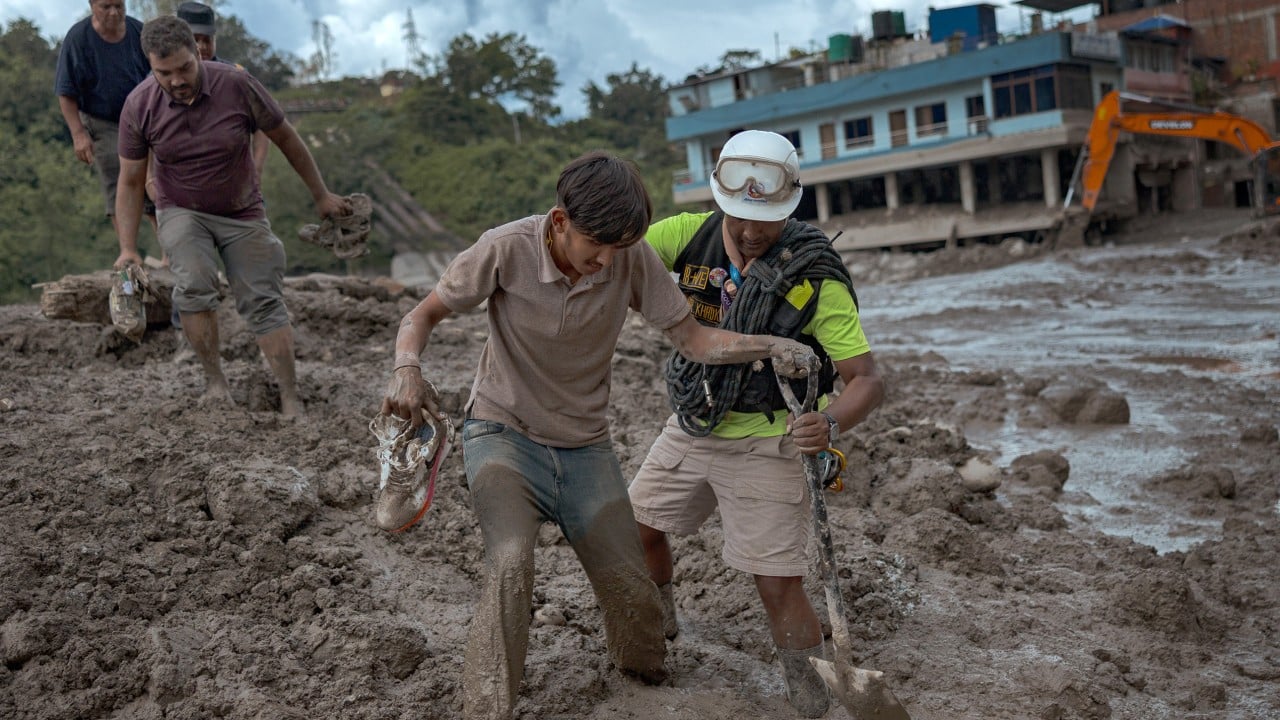
By the time emergency teams mobilize, the water has often receded, leaving behind a chaotic landscape of rearranged boulders and deep mud that destroys footprints and tracking scents. Helicopters fight erratic winds bouncing off canyon walls. Ground crews navigate terrain that requires technical ropes just to reach the search zones.
The scale of the search zone defies easy management. You are looking for tiny human footprints in a vast maze of towering red cliffs.
What Actually Works When Safety Fails
You cannot outrun a flash flood if you are already inside a narrow gorge. The only real defense happens before you ever lace up your hiking boots.
Check the weather for the entire watershed, not just your specific GPS coordinate. Talk to the rangers at the backcountry information center. They live this reality and they know which routes become death traps during monsoon season.
If you hear a deep, low rumble that sounds like a freight train coming down a dry creek bed, drop your heavy pack and scramble up the nearest rock face. Do not try to save your gear. Do not try to cross the wash to get back to camp. Go vertical immediately.
Pack a reliable satellite messenger. Standard cell phones are useless down there. Having a two-way device lets you receive emergency weather alerts and ping for help if a tributary blocks your exit route.
The canyon does not care about your itinerary. Respect the weather, watch the sky miles above you, and treat every dry wash like a loaded weapon.