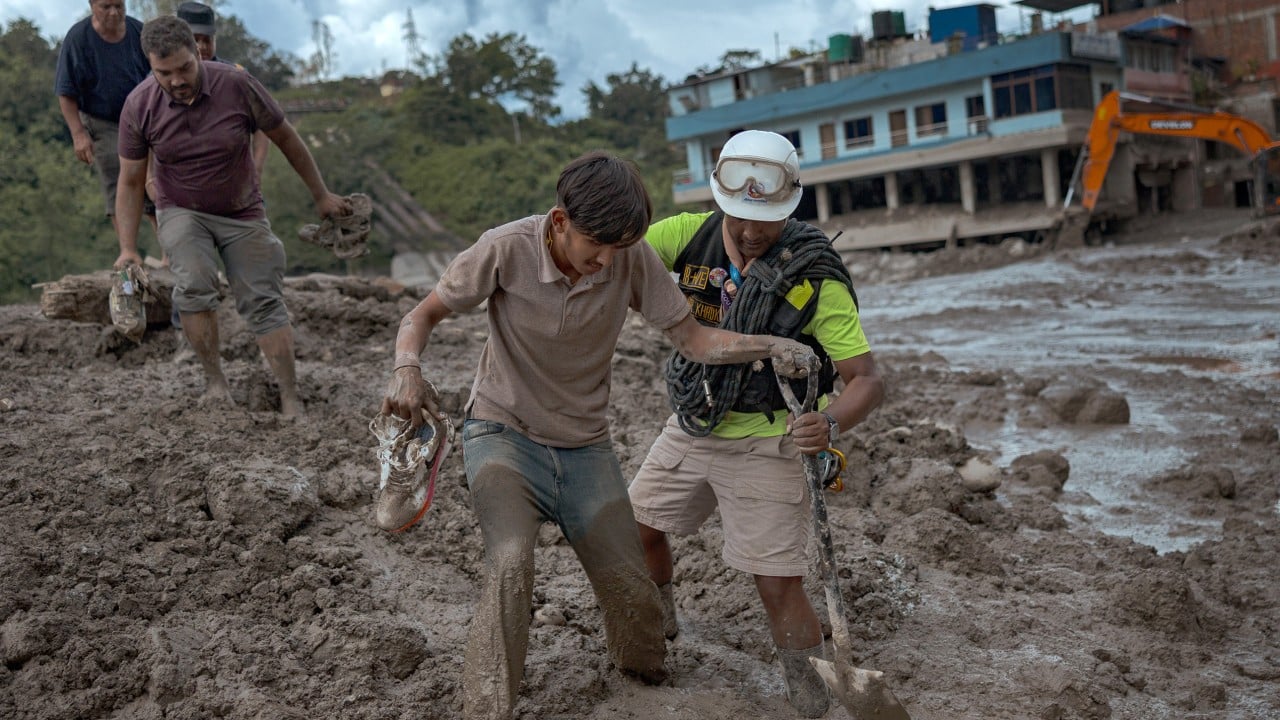
When water tears through a desert canyon, it doesn't give you a second chance.
Recent flash flooding inside Grand Canyon National Park trapped dozens of hikers and left roughly 15 people missing near the remote Havasu Creek area. Search and rescue crews scrambled into action, utilizing helicopters and swift-water rescue teams to locate survivors stranded on narrow ledges and isolated high ground.
Monsoon season in the American Southwest brings unpredictable, sudden torrents. A storm miles away can dump millions of gallons of rain into dry wash beds, turning a tranquil stream into a terrifying wall of muddy debris within minutes. If you hike in canyon country, understanding how fast these events escalate isn't just useful trivia. It's a matter of survival.
Understanding the Sudden Danger of Desert Flooding
Desert soil acts like concrete during heavy rain. Hard-baked earth can't absorb moisture quickly, forcing runoff to rush into the nearest drainages, slot canyons, and creek beds.
The Grand Canyon covers over 1.2 million acres. When a cloudburst hits a high-elevation plateau, gravity pulls that water down into narrow side canyons. Hikers standing under clear blue skies might have zero warning before a wall of brown water, tree trunks, and boulders comes barreling down the trail.
Havasu Creek, famous for its turquoise water and stunning waterfalls, sits at the bottom of a massive drainage basin. When heavy monsoon rain strikes the surrounding plateau, Havasu Creek transforms rapidly. Water levels jump several feet in seconds, turning scenic turquoise pools into violent, muddy rapids.
Search operations in these areas present massive logistical nightmares. The National Park Service must coordinate with local tribal authorities, emergency services, and aviation units. Deep canyon walls block cellular signals, making satellite messengers and emergency beacons the only reliable way to call for help.
Common Mistakes Hikers Make During Southwest Monsoon Season
Most people head into the backcountry with good intentions. Yet many underestimate how fast weather shifts between July and September.
- Ignoring remote weather forecasts: Checking the weather for the rim isn't enough. You must monitor radar across the entire upstream watershed.
- Camping in low-lying drainages: Setting up a tent on a dry, sandy wash floor seems flat and comfortable, but it's essentially sleeping in a dry riverbed.
- Failing to spot early warning signals: Sudden changes in water color, a deep rumbling sound up-canyon, or a sudden gust of cool wind often signal incoming floodwaters.
- Over-relying on cell phones: Deep inside the canyon, mobile phones won't grab a signal. Relying on an app to track live radar while hiking in a gorge simply doesn't work.
If you hear a roaring sound echoing off canyon walls, don't wait to see the water. Move to high ground immediately. Leave your heavy gear behind if it slows you down.
Essential Steps to Protect Yourself in Flash Flood Zones
Surviving a flash flood starts long before you step onto the trail. Preparation dictates your odds when nature turns hostile.
Monitor Regional Watersheds Before You Move
Check national weather advisories specifically for flash flood watches and warnings. Look at the forecast for towns and plateaus miles upstream from your route. If the National Weather Service issues a warning for the surrounding county, stay out of slot canyons and narrow drainages.
Carry Dedicated Communication Gear
Invest in a satellite communication device like a Garmin inReach or ZOLEO. These devices let you send SOS signals directly to emergency responders even when you're thousands of feet below the canyon rim. Keep it accessible on your shoulder strap, not packed deep in your bag.
Map Out Escape Routes Continuously
As you hike, constantly look around and ask yourself one question: Where would I climb if a wall of water came around the bend right now? Identify shelves, high rock ledges, and steep ridges along your route.
If floodwaters catch you off guard, climb as high as safely possible and wait. Never attempt to cross a rushing flood current on foot or in a vehicle. Swift water just knee-deep carries enough force to knock a grown adult off their feet.
Before your next trip into canyon country, review the National Park Service alerts for your specific trail, carry a physical topographic map, and pack a dedicated satellite communication tool.