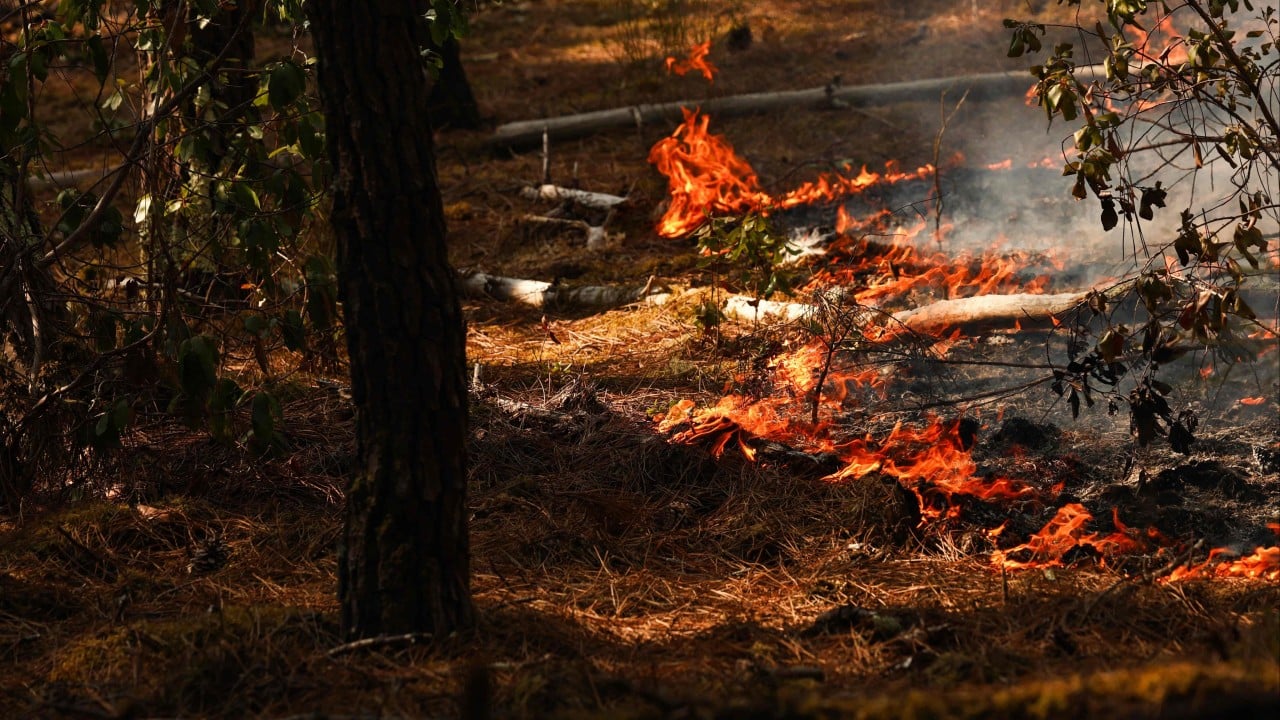
Massive infernos don't just happen in dry California canyons or remote Australian outback tracts. They happen in Europe. When a wildfire charred an area four times the size of Paris in southwestern France, it shocked people who assumed European forests were immune to extreme climate disasters. Firefighters faced walls of flame moving at terrifying speeds. Thousands evacuated. Homes turned to ash.
Let's look at what actually happened on the ground.
The Scale of the Gironde Disaster
The Gironde department in southwestern France became ground zero for catastrophe. Pine forests dried out completely during brutal heatwaves. Then came the sparks. Winds whipped the flames into uncontrollable monsters.
The burned territory covered over 20,000 hectares. To put that in perspective, Paris spans about 105 square kilometers. Multiply that by four. That is the sheer volume of green space, wildlife habitats, and human infrastructure reduced to charcoal.
Fire crews from across the European Union rushed to assist French local units. Water-dropping planes flew endless sorties. Yet, extreme weather made direct combat nearly impossible for days.
Why European Forests Are Burning
You might think forests in temperate zones take care of themselves. They don't anymore.
- Extended droughts sap moisture from soil and trees.
- Monoculture pine plantations create dense fuel corridors.
- Record-breaking summer temperatures turn wood into kindling.
Decades ago, forest management focused heavily on timber production rather than ecological resilience. Plantations of maritime pine grew close together in the Landes region. When fire hits a monoculture like that, it travels fast. It leaps from crown to crown. Traditional firebreaks failed because the ember showers traveled miles ahead of the main front.
"We are dealing with mega-fires that defeat our standard tactical playbooks," said a local emergency responder during the height of the crisis.
The Human Toll and Immediate Response
Evacuations disrupted tens of thousands of lives. Tourists camping in popular coastal spots had to flee with minutes of warning. Vineyards—the pride of the region—fought to save centuries-old grapevines from smoke taint and direct heat.
Local mayors coordinated emergency shelters in gymnasiums and community halls. Volunteers dropped everything to deliver supplies. The economic blow hit tourism, agriculture, and local timber industries hard.
Recovery takes years, not weeks. Soil erosion remains a massive threat when autumn rains finally arrive on charred earth. Without root systems to hold the soil, flash floods wash ash into local waterways.
Changing How We Fight Future Blazes
We can't just throw water at mega-fires and hope for the best. Prevention demands a complete mindset shift.
Forestry services now talk about introducing diverse tree species. Hardwoods resist fire much better than pine. Landowners are being forced to clear brush and create wider safety buffers around properties.
If you live near vulnerable woodland areas, ignoring fire safety codes is a massive gamble. Clear your gutters. Keep dry brush away from exterior walls. Have an evacuation plan ready before smoke appears on the horizon. Climate realities mean these events are no longer anomalies. They are the new baseline.


