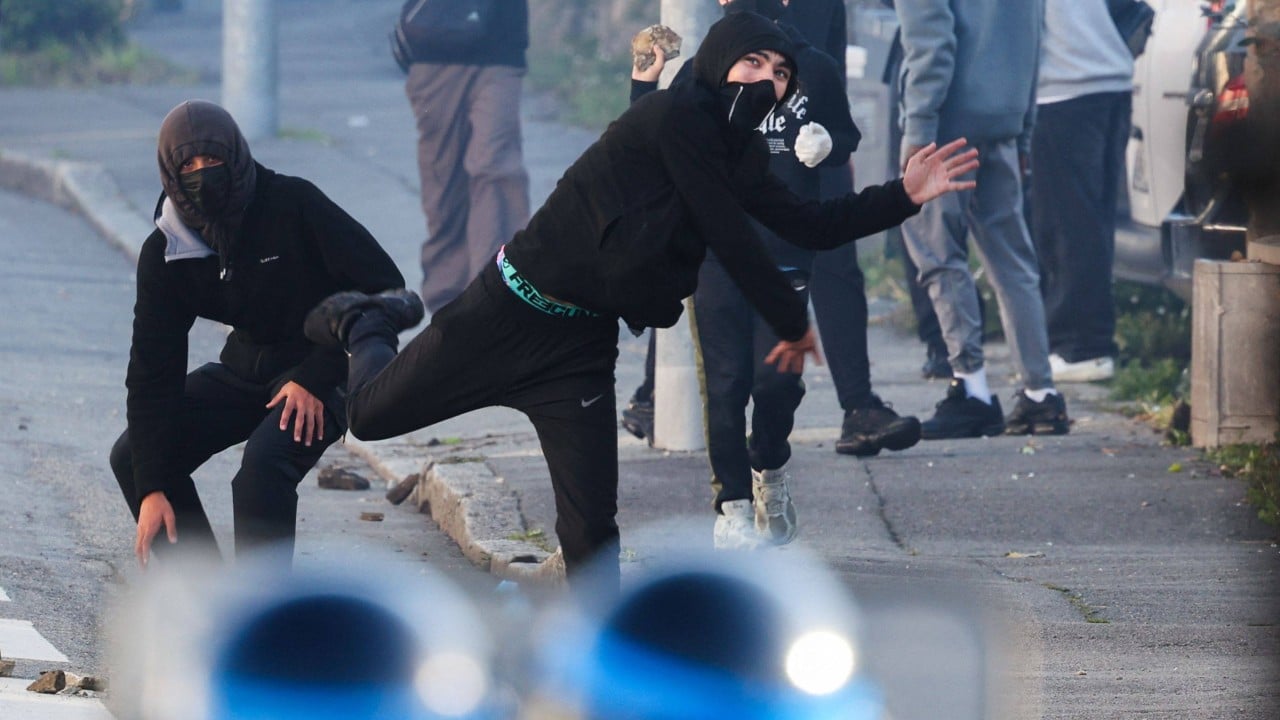
If you walk past a Parisian lycée right now, you won't hear the usual chatter of students heading to class. Instead, you'll see barricades built from wheelie bins, lines of riot police, and crowds of teenagers shouting slogans into megaphones.
France is dealing with an extraordinary youth revolt. What started as localized anger over teacher shortages and rotting school infrastructure has spiraled into a massive political showdown. Hundreds of high schools have been forced to shut down or switch entirely to remote learning.
Let's break down what's actually happening behind the headlines, why these demonstrations got so out of hand, and what it means for the country's political future.
From Overcrowded Classrooms to Burning Barricades
The friction points aren't new. For months, students across Paris suburbs and major cities like Marseille pointed out glaring systemic failures. Many classes went weeks or months without permanent instructors. Buildings leaked, heating failed, and resources vanished.
When students at institutions like Turgot high school in central Paris voiced frustration over missing textbooks and ghost classrooms, officials largely brushed it off. That apathy backfired.
Students started blocking entrances with whatever they could find. Videos of these blockades went viral on social media overnight, inspiring copycat demonstrations across the nation. Within weeks, over a thousand of France's roughly 3,700 high schools faced serious disruptions.
When Protests Shift Into Urban Unrest
Things turned ugly when the core message got hijacked. What began as an orderly student movement demanding educational reform morphed into aggressive street clashes.
Authorities reported that dozens of school principals and staff members suffered injuries. In Marseille and Paris, things got terrifyingly close to disaster when fires damaged school entrances and teachers found themselves caught in the crossfire of thrown petrol.
The government responded with heavy force. Interior Ministry figures showed thousands of people taken into police custody, with the vast majority being minors. Tear gas, batons, and sudden police charges became a regular fixture outside school gates.
Ministers argued they had no choice. Education officials insisted that violent fringe groups had hijacked the student movement, using legitimate grievances as an excuse to riot. On the flip side, human rights advocates and student unions accused authorities of using disproportionate force against teenagers.
The Broader Political Pressure Cooker
You can't look at these school closures in a vacuum. They hit right as the administration rolled out deeply unpopular spending cuts, creating a toxic mix of economic anxiety and youthful frustration.
Parents, trade unions, and university students joined the marches, turning a school administration crisis into a wider national referendum on leadership. With national elections looming, political extremes on both sides are trying to capitalize on the chaos. The far right points to the riots as proof that law and order are collapsing, while the left rallies behind the youth, claiming state repression has gone too far.
Meanwhile, teachers caught in the middle are losing patience. Thousands of students facing crucial exams have missed massive chunks of instructional time, creating a generation of kids who feel completely let down by the system.
Fixing this won't happen overnight. Throwing riot police at teenagers won't solve a broken educational infrastructure, and burning down school gates won't hire qualified teachers. Until officials address the root causes of student neglect, French schools will remain a powder keg.