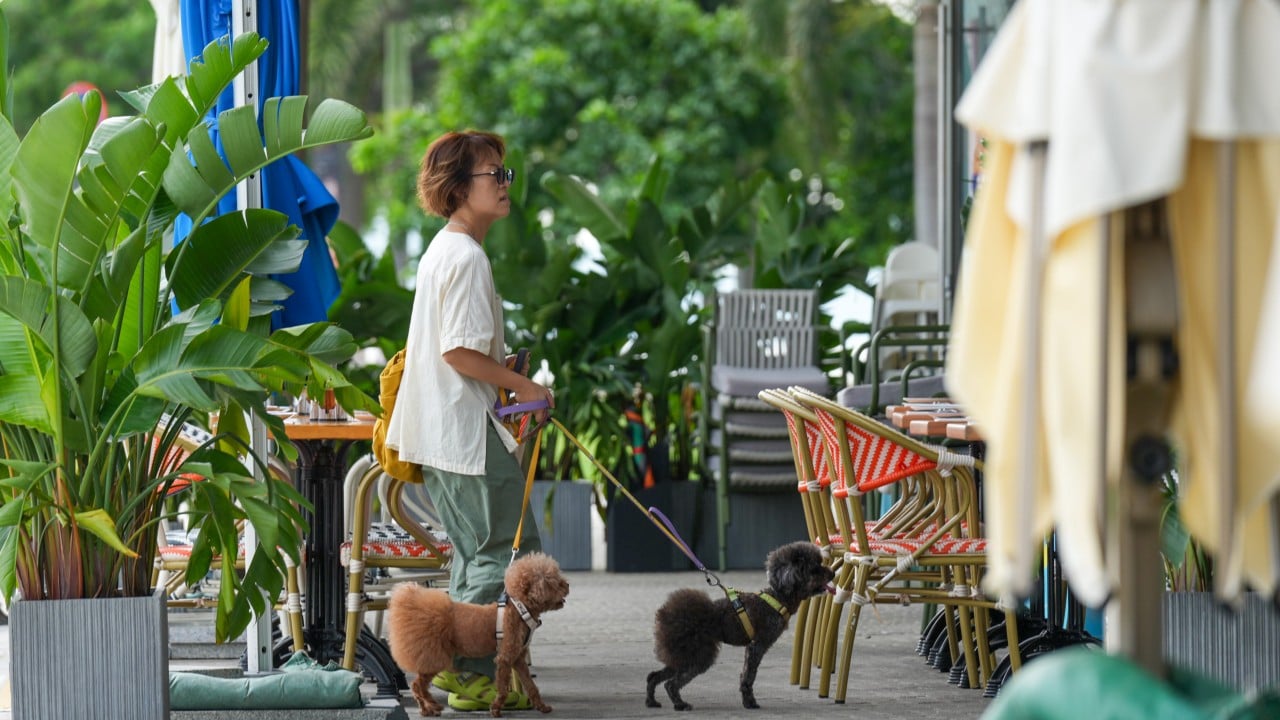
The porcelain plate sat on the edge of the mahogany table, gleaming under the bistro lights. On it rested the remnants of a perfectly poached egg and a smear of hollandaise. Then came the pink tongue. A quick, enthusiastic swipe from a white Bichon Frise named Oliver cleared the plate.
His owner laughed, snapping a quick photo for social media. Across the aisle, a diner froze, her fork hovering halfway to her mouth. The warmth drained from the afternoon. For a more detailed analysis into this area, we suggest: this related article.
This is the messy reality of the pet economy. It is a collision of human affection, public health, and commercial desperation playing out across thousands of restaurants globally. In Hong Kong alone, a recent regulatory shift opened the doors of more than 900 eateries to domestic pets. On paper, it was a triumph for the modern urban family, a recognition that our dogs are no longer property—they are our children.
But the reality of execution has been incredibly fraught. For further information on this development, in-depth coverage can also be found on ELLE.
The Illusion of Harmony
Consider the delicate dance of a Sunday morning service. A server balances a tray holding three hot lattes and a sizzling skillet of shakshuka. As she steps backward, her heel catches the nylon leash of a sleeping French Bulldog. The hot liquids wobble. A catastrophe is avoided by a mere fraction of an inch.
The dream sold by proponents of pet dining is one of Parisian elegance. We envision perfectly coiffed poodles sitting quietly beneath wrought-iron chairs while their owners sip espresso. The actuality looks much more like viral videos of dogs sitting squarely on restaurant chairs, licking communal plates, and creating low-level anxiety for the waitstaff trapped between customer satisfaction and strict health codes.
For the restaurateur, the decision to welcome animals is rarely born of pure altruism. It is a calculated gamble to revive flagging weekend revenues. If you tell a pet owner their dog cannot come, they do not leave the dog at home; they simply eat somewhere else.
But opening the gates introduces a brutal double standard. Restaurants are subject to unforgiving health department inspections. They are mandated to maintain pristine, sanitized environments. Yet, they are now expected to host creatures that walk barefoot through city streets, shed dander into the breeze, and occasionally react to a passing motorcycle with a volley of high-decibel barking.
The Invisible Toll on the Floor
We rarely talk about the servers in this equation. They are the frontline infantry in the culture war of modern dining.
By law in many jurisdictions, restaurant staff are strictly prohibited from touching the animals while on duty to prevent cross-contamination. Try explaining that to an aggressive German Shepherd or an over-excited puppy jumping against a server's aproned leg.
When a dog suffers an accident on a restaurant floor, the friction reaches its peak. The owner is embarrassed, the surrounding tables are disgusted, and the busser is forced to deploy industrial-grade enzymatic cleaners mere feet from where people are consuming food. It breaks the fundamental, unspoken contract of dining out: that the space is a clean sanctuary curated for human comfort.
There is a growing resentment among diners who do not own pets, or those with severe allergies. They ask a simple question: Why has my right to a clean, quiet meal been compromised to accommodate someone else's choice of companionship?
The answers are hard to find. They are buried underneath the shifting definitions of what a public space should be.
The Cost of Compromise
The solution is not a blanket ban, nor is it a lawless free-for-all. True integration requires infrastructure, and infrastructure costs money.
A truly successful pet-friendly establishment cannot just throw open its doors and hope for the best. It requires separate outdoor entrances so animals never cross paths with the indoor kitchen prep areas. It demands heavy, non-porous metal furniture that can withstand claws and be completely hosed down at the end of the night. It necessitates single-use, disposable bowls for pet hydration, ensuring that no animal ever drinks from the same porcelain that will later hold a human guest's soup.
Many establishments, eager to capture the "fur baby" dollar, skip these crucial investments. They slap a "Dogs Welcome" sticker on the window and expect the magic of community to handle the logistics.
It does not work.
The friction will continue to spark until pet owners accept a hard truth: your dog is a dog. It does not understand the etiquette of a Michelin-starred patio or a crowded neighborhood diner. Expecting a creature driven by instinct to behave like a polite human adult is a failure of leadership on the owner’s part.
Back at the bistro table, the server quietly confiscated the plate the Bichon had licked. She did not scold the owner. She could not afford to lose the tip. But as she carried the dish back to the kitchen to be scrubbed with industrial heat, the illusion of the happy, integrated pet patio vanished, replaced by the grim reality of a system operating on borrowed time.