The coffee goes cold faster on mornings like these. You set the ceramic mug down on the weathered wooden porch railing, watch the thin wisp of steam curl upward, and realize the air has changed its mind. It is sharper now. It bites at the knuckles before you even reach for the car door handle.
For months, we drifted through the long, sun-drenched haze of summer. We forgot the sound of ice scraping against windshield glass. We forgot the heavy, sluggish pull of snow boots dragging through slush on a Tuesday morning commute. We let ourselves believe that the warmth was a permanent condition, a steady state of being. Building on this topic, you can find more in: Why Staying in Bed All Sunday Beats Any Celebrity L.A. Itinerary.
It never is.
Across the country, basement doors are creaking open. Homeowners are descending into the dim, dusty corners of their houses to drag out heavy wool blankets that sat forgotten since March. They are checking the pilot lights on old furnaces, listening for that familiar, reassuring roar of ignition. They are preparing. Because the Old Farmer's Almanac has spoken, and its centuries-old pages carry a chill that reaches far beyond ink and paper. Experts at The Spruce have also weighed in on this trend.
Winter is coming. And according to the long-range forecasters, it plans to make up for lost time.
The Weight of the Long Sleep
Look at Arthur Miller. He is a hypothetical homeowner, yes, but he shares a heartbeat with millions of Americans living in the frostbelt. Arthur lives in a drafty 1920s colonial in upstate New York. He knows the personality of his house intimately. He knows that when the wind blows from the northwest, the dining room floorboards draft cold air straight up through the rugs like an open refrigerator door.
Arthur spent his Saturday cleaning out the gutters, hauling away soggy maples leaves that smelled of decay and damp earth. His back aches. His knees pop with every climb up the aluminum ladder. He is doing this because the traditional forecasting models, derived from a curious blend of meteorology, solar science, and folklore that dates back to the founding of the republic, suggest his region is in for a heavy, relentless blanket of snow this year.
The Almanac’s winter outlook is not just a collection of dry data points. It is a cultural checkpoint. For generations, people have looked to its yellowed, hole-punched pages not as an absolute scientific decree, but as a barometer of preparation. When the publication predicts a teeth-chattering season marked by above-average snowfall from the Great Lakes down through the Ohio Valley, people listen. They buy extra cords of firewood. They stock the pantry with canned soups.
We laugh at ourselves for clinging to these old traditions in an age of supercomputers and satellite telemetry. Yet, when the first real frost hits the pumpkin patch, we rush to buy salt for the driveway anyway.
The Geography of the Freeze
The weather does not treat us all equally. Geography is destiny when the jet stream dips.
In the northern plains and the upper Midwest, winter is not a season; it is an endurance test. The Almanac points toward a frigid stretch where temperatures will plunge well below historical averages. Imagine stepping outside into air so cold it makes your teeth ache within three seconds. That is the reality waiting for North Dakota, Minnesota, and Wisconsin. The frost line digs deep into the frozen dirt, threatening ancient pipes and testing the resolve of anyone foolish enough to leave a garden hose attached to an outdoor spigot.
Meanwhile, down along the Gulf Coast and across Florida, the story is entirely different. There, the air stays remarkably mild, a soft, humid reprieve for snowbirds fleeing the northern icebox. But even there, the atmospheric shifts matter. A sudden southward plunge of arctic air can threaten citrus crops overnight, transforming a quiet southern orchard into a frantic landscape of smoke pots and shivering farmers desperate to save their harvest before dawn breaks.
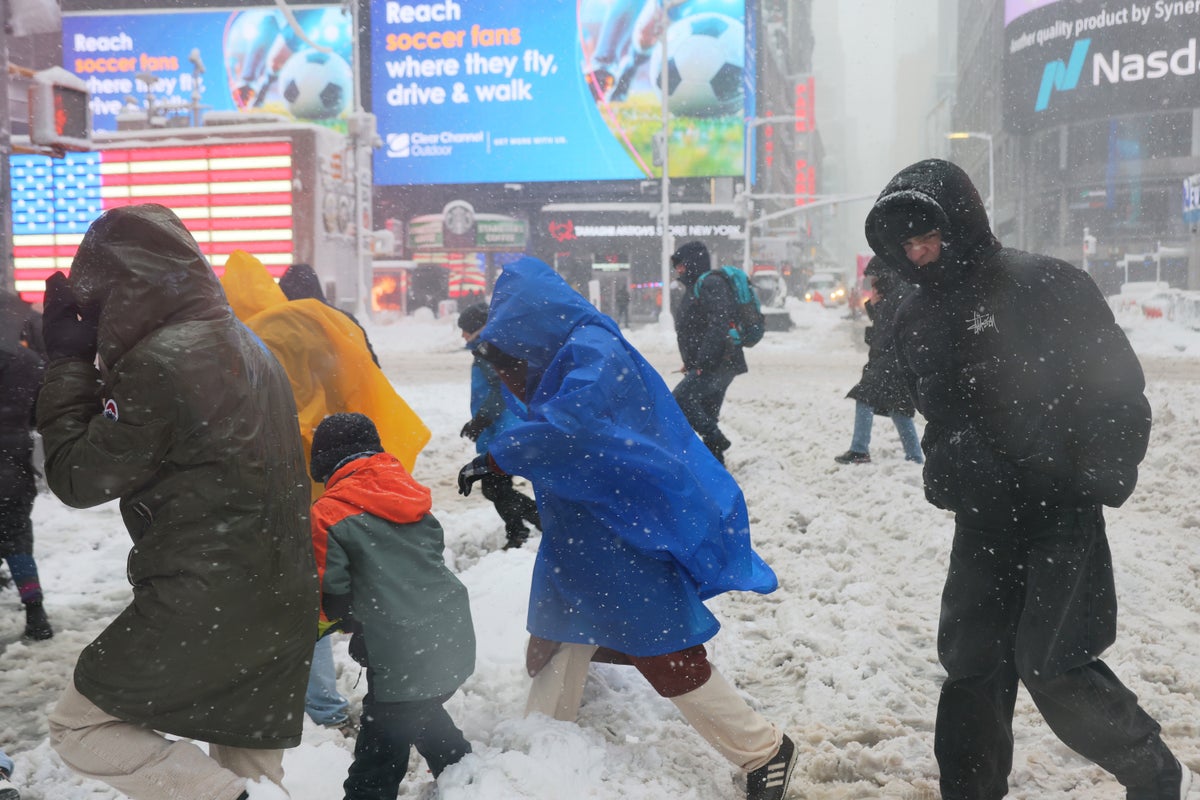
Consider what happens in the Northeast. Cities like Boston and New York are bracing for what forecasters call a wet, slushy grind. Not just light, powdery flakes that look picturesque falling under streetlamps, but heavy, moisture-laden storms that paralyze transit systems, snap power lines under the sudden weight of wet ice, and turn millions of daily commuters into stranded prisoners of delayed trains.
This is the invisible stake of winter. It is not just about discomfort. It is about infrastructure, energy bills, and the sheer mental tax of navigating darkness before breakfast and long after the workday ends.
The Economics of Shivering
We rarely connect the state of the atmosphere to the state of our bank accounts until the bills arrive.
When a severe winter hits, the economic ripples are immediate and violent. Natural gas prices spike as furnaces run twenty-four hours a day. Municipalities burn through their entire fiscal year snow-removal budgets before January even arrives, scrambling to purchase salt and sand at inflated emergency rates. Delivery trucks crawl along iced-over interstate highways, delaying everything from online retail packages to fresh produce shipments destined for local grocery store shelves.
Arthur feels this every time he opens his monthly utility statement. Last January, his heating bill spiked by forty percent, forcing him to trim the family budget elsewhere. He learned to lower the thermostat to sixty-two degrees before going to bed, wearing thick wool socks indoors like a badge of northern survival.
The Almanac’s forecast acts as an early warning system for these financial pressures. Knowing that a brutal freeze is on the horizon allows families to budget, to lock in fixed-rate energy plans, or to upgrade old, leaky insulation before the bitter winds start howling through the window frames.
The Quiet Resilience
There is a strange beauty in how humans adapt to the cold. We retreat inward, yes, but we also find ways to gather.
Think of the kitchen windows fogging up on a freezing Sunday afternoon, the smell of homemade beef stew simmering on the stove for hours. Think of the neighborhood kids dragging sleds up the steepest hill on the block, their cheeks burning bright red against the white snow. Winter strips away the frantic pace of summer and forces us to slow down, to tend to our hearths, and to check in on our neighbors.
When the old forecasting books predict a harsh season, they are really offering us an invitation. An invitation to prepare. An invitation to build resilience against the elements.
The frost is coming. It always does. The trees have already dropped their leaves, standing naked and unyielding against the gray autumn sky. The migratory birds are long gone, chasing the sun south.
We remain. We pull our coats tighter around our shoulders, turn up the collar against the rising wind, and walk back inside to face whatever the winter brings.