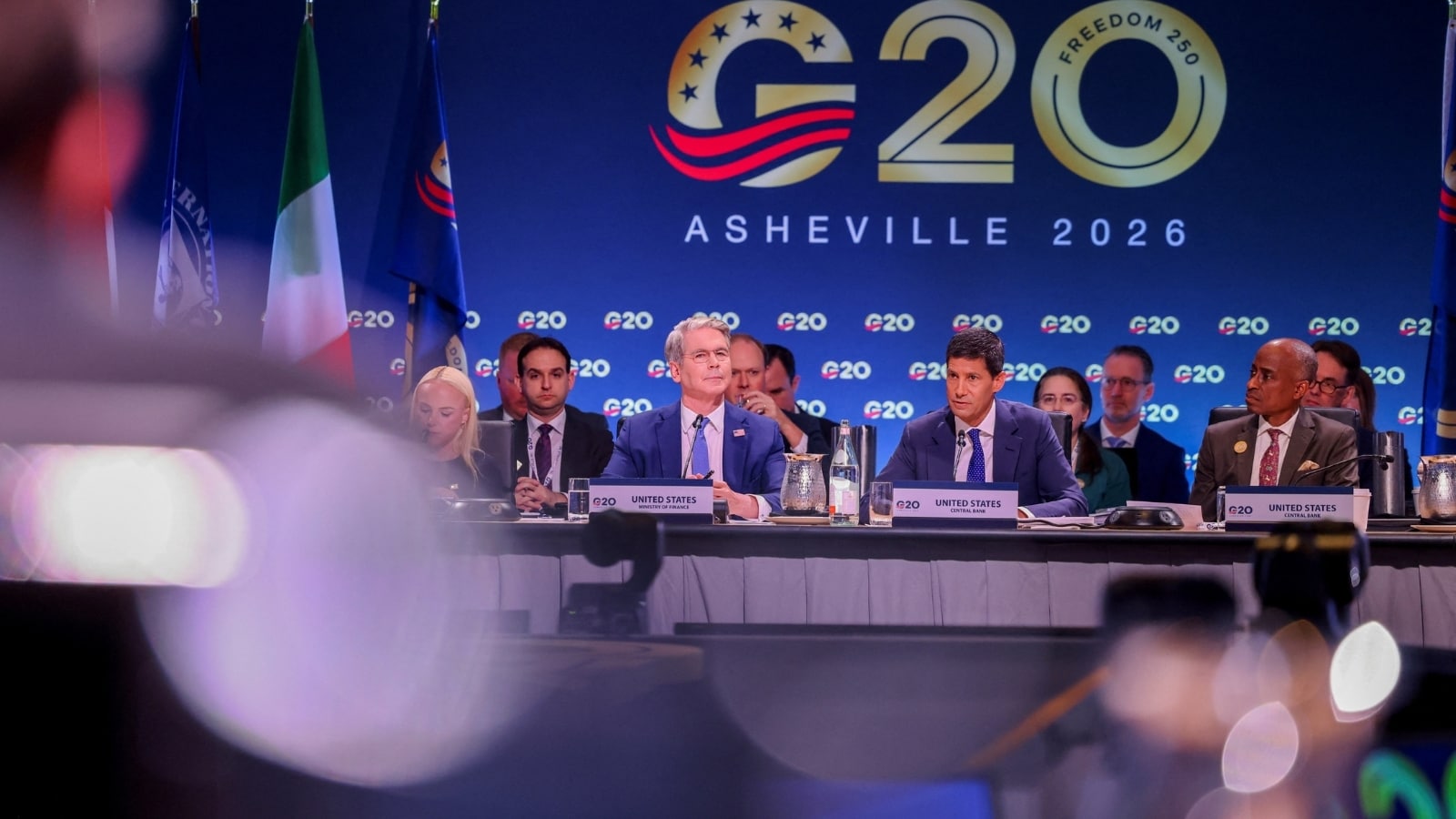
When Russian Finance Minister Anton Siluanov walked into the G20 ministerial room in Asheville, North Carolina, he broke a four-year Western diplomatic freeze. It was his first in-person attendance at the summit since Moscow launched its invasion of Ukraine in 2022. European allies felt blindsided. U.S. Treasury Secretary Scott Bessent wanted the spotlight on global economic growth and soaring debt. Instead, he triggered an immediate diplomatic row that derailed the entire agenda.
European ministers didn't hide their fury. German Vice-Chancellor and Finance Minister Lars Klingbeil openly called the move troubling, stating that receiving Moscow's representative like an ordinary guest sends the wrong message. Polish Finance Minister Andrzej Domanski put it even more bluntly, noting that you simply cannot trust a government that lies constantly.
The Diplomatic Fallout in Asheville
The tension inside the venue quickly spilled over into everyday protocol. European officials flatly refused to participate in the traditional G20 family photo if Siluanov stood in the frame. Their boycott worked, as the official snapshot was ultimately taken without the Russian minister.
Yet, the Trump administration defense was straightforward. President Donald Trump brushed off the criticism by remarking that Washington simply likes getting along with everybody. Behind closed doors, Bessent held a bilateral meeting with Siluanov to push forward the administration's proposed peace plan for Ukraine.
For European capitals trying to piece together fresh packages of economic sanctions, hosting Moscow's top financial official on American soil felt like a betrayal of allied unity.
The Press Blackout Controversy
The diplomatic shockwaves weren't limited to geopolitics. The U.S. Treasury department also drew intense condemnation for blocking specific journalists and entire news bureaus from covering the high-stakes summit.
Reporters from Bloomberg News, along with specific correspondents from the New York Times and the Wall Street Journal, found their credentials rejected. The New York Times issued a sharp statement calling the decision a blatant attempt to evade public scrutiny and an assault on independent journalism.
Treasury officials defended the move by pointing out that over three hundred media personnel were still inside covering the event. They insisted access came with strict standards of factual reporting. Still, locking out major domestic outlets at an international summit hosted in North Carolina only intensified accusations that the administration wanted to control the narrative at all costs.
Shifting Economic Priorities
While the media and European delegates argued over guest lists and press credentials, the core financial talks tackled massive global headwinds. Bessent warned that the world is buried under post-pandemic and post-crisis debt, arguing that nations must grow their way out of fiscal holes.
The meetings also exposed deep friction over global trade imbalances, particularly regarding China. Washington pushed allies to pressure Beijing into rebalancing its economy toward domestic consumption rather than relying entirely on massive goods exports.
At the same time, the Treasury brought private-sector figures into official growth sessions to advocate for deregulation and energy production. This unorthodox approach to international finance management signaled a clear shift in U.S. strategy, favoring unilateral economic pressure over traditional multilateral consensus.
Watch how European capitals respond to future U.S.-led summits. The cracks in Western alignment are widening, and the fallout from Asheville will dictate trade and defense talks for the rest of the year.