The Vanity of the Frame
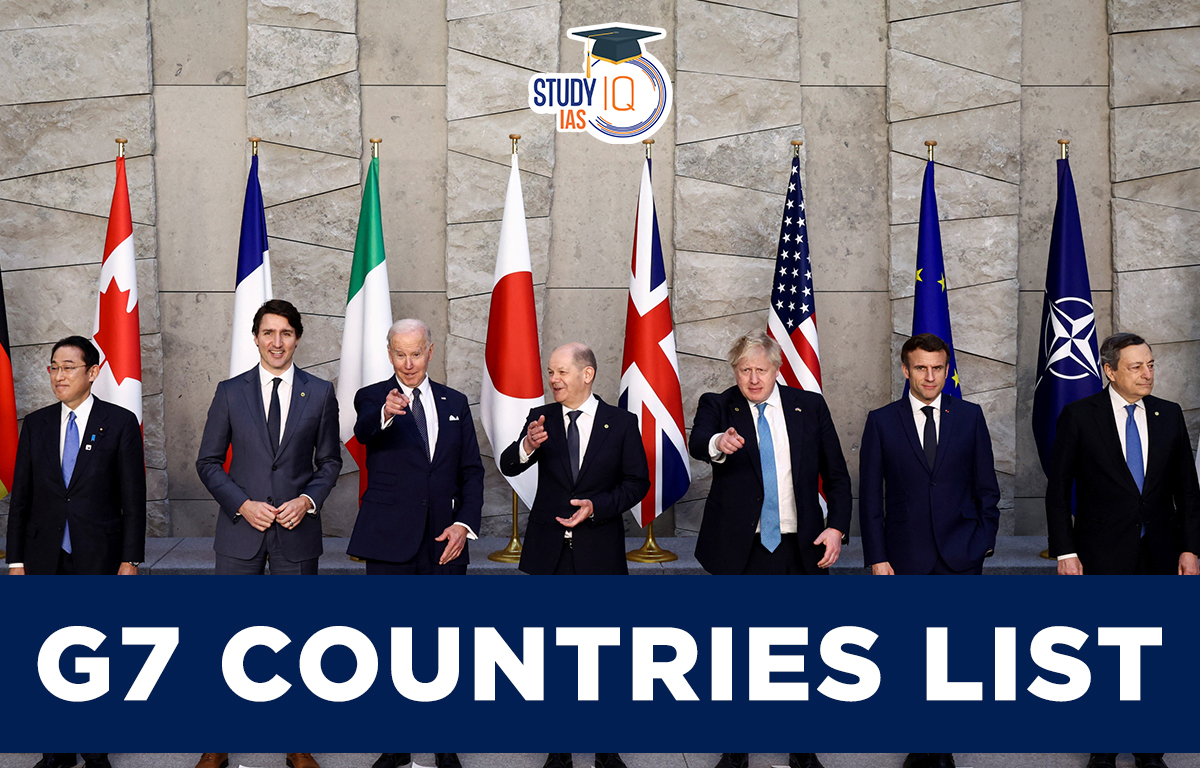
Diplomacy loves a good staging. Every year, mainstream media outlets churn out predictable headlines tracking who stood next to whom in the family photo at the Group of Seven summits. They analyze shoulder tension. They read into smiles. They treat a highly choreographed three-second camera flash at Évian-les-Bains or any other scenic resort as if it were a modern treaty signing.
It is an expensive illusion.
The lazy consensus among foreign policy commentators is that these traditional group photographs signify a unified front of global leadership. When Prime Minister Narendra Modi or other invited leaders from emerging economies join the frame, the narrative shifts to "inclusivity" and "strategic convergence."
This is backward. The traditional G7 photograph does not showcase a gathering of the world's most relevant economic engines. It archives a legacy club struggling to maintain its grip on global governance. By focusing on the theater of the photo op, analysts miss the actual mechanics of modern geopolitics: bilateral transactionalism and parallel institutional building.
The Math Behind the Mirage
To understand why the family photo is a relic, you have to look at the cold data of economic reality. The G7 was formed in the 1970s to bring together the world’s most industrialized economies. At its inception, these nations dominated global gross domestic product.
They do not anymore.
Consider the shift in purchasing power parity. According to data from the International Monetary Fund, the BRICS bloc—even before its recent expansions—surpassed the G7's share of global GDP based on purchasing power parity in the late 2010s. The gap is widening.
| Group | Share of Global GDP (PPP) in 1992 | Share of Global GDP (PPP) in 2024/2026 Estimate |
|---|---|---|
| G7 Nations | ~46% | ~29% |
| BRICS Bloc | ~16% | ~35% |
When you look at a G7 family photo today, you are looking at a minority stake in the global economy trying to look like the board of directors. Including leaders from outside the core membership is not an act of benevolence; it is an admission that the core group can no longer enforce global economic mandates on its own.
Dismantling the Premise of Inclusivity
The Flawed Question: "How does inviting India and other developing nations to the G7 photo op strengthen Western alliances?"
The Brutal Reality: It doesn't. It highlights the cracks.
The common assumption is that being invited to stand in the G7 lineup means an emerging power is being co-opted into the Western-led international order. This premise is fundamentally flawed because it ignores the strategic autonomy of nations like India.
New Delhi does not participate in these summits to join a bloc; it participates to exploit a multi-aligned foreign policy. While the cameras snap pictures in Évian or Europe, the real work is happening in minilateral formats—agreements that are small, flexible, and entirely functional.
I have watched policy shops waste months drafting communiqués for these big summits, only to see those documents ignored the moment the delegates hit the tarmac. The real action happens in the quiet backrooms where two leaders settle defense logistics or tech-sharing agreements without a single reporter in the room.
The Downside of the Counter-Strategy
Maintaining this multi-aligned, transactional approach is not without its costs. The risk of refusing to fully commit to any single bloc is that you can end up isolated when a crisis demands hard, pre-negotiated security guarantees. Transactional diplomacy builds partnerships, but it rarely builds shields. Yet, in a fragmented world, it remains a far more effective strategy than tying oneself to a stagnant legacy alliance for the sake of appearances.
The Death of Multi-Lateral Consensus
The G7 photo op project relies on the fiction that these leaders share a cohesive vision for the global economy and security infrastructure. They do not.
The core G7 members are deeply divided on industrial policy, data regulation, and energy transition timelines. The addition of guest leaders only introduces further divergence. The consensus built at these summits is now so diluted that the final communiqués read like a list of platitudes. They agree on "stability" and "cooperation" because agreeing on anything specific is impossible.
The real shift is happening toward institutional frameworks that do not require a Western stamp of approval. The expansion of the New Development Bank, the growth of local-currency settlement systems, and bilateral trade corridors are bypassing the very financial architecture that the G7 was built to protect.
Stop Watching the Stage
If you want to understand where global power is actually aggregating, look away from the center of the frame. Stop reading the body language of world leaders standing on a platform in a resort town.
Instead, look at the trade volumes moving through new maritime corridors that bypass traditional choke points. Look at the bilateral semiconductor agreements being inked quietly on the sidelines of regional forums. Look at who is secure in their domestic supply chains and who is scrambling to subsidize their dying manufacturing bases.
The traditional summit photograph is a marketing campaign for an old product. The world has moved on to a completely different distribution model.