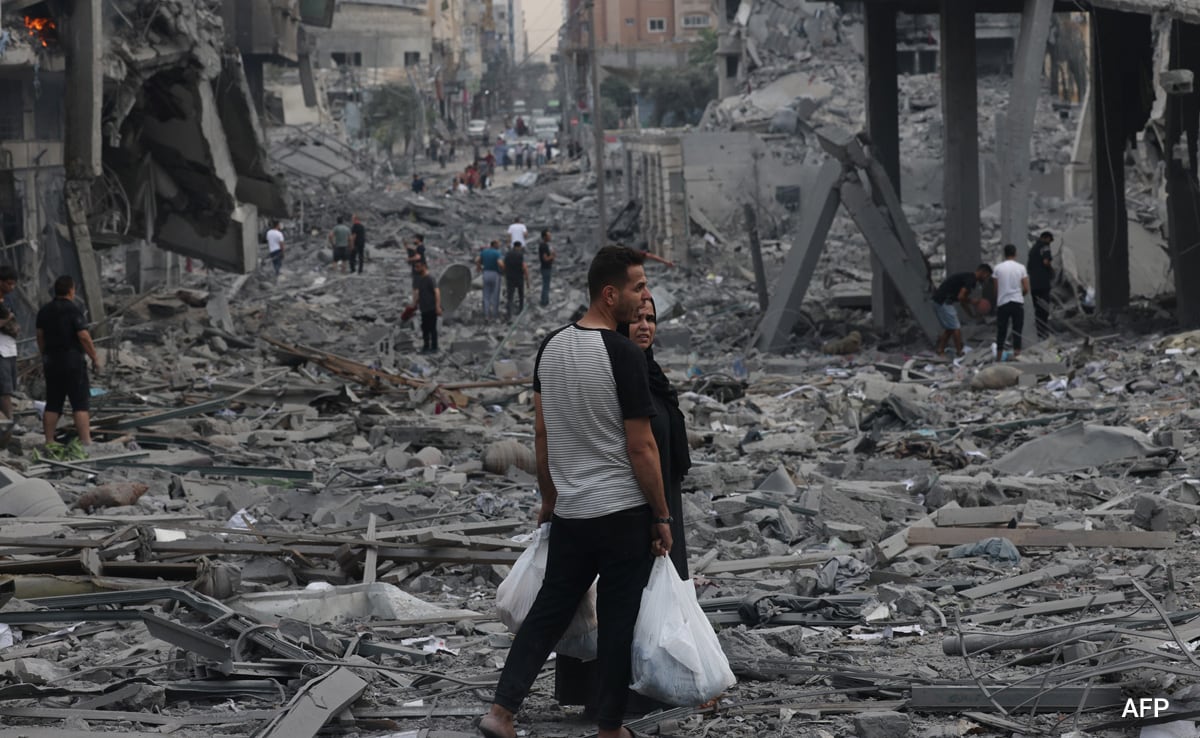
The closure of the Rafah border crossing changed everything. For the third consecutive Eid al-Adha, families across the Gaza Strip find themselves completely cut off from the rest of the Islamic world, unable to perform the sacred Hajj pilgrimage or observe the traditional Qurbani animal sacrifice. It is a harsh reality. The ongoing conflict has turned what should be a time of celebration and spiritual fulfillment into a period of profound loss and economic devastation.
People are looking for answers about how regional dynamics and border closures affect religious freedom. The simple truth is that the destruction of local infrastructure, combined with strict border blockades, has dismantled the foundational pillars of this major holiday for over two million residents.
The Complete Halting of the Hajj Pilgrimage
Going to Mecca is a lifelong dream for Muslims. It's a core pillar of faith. Yet, for Gazans, the Rafah crossing closure by military operations has slammed that door shut. Millions of dollars spent on travel arrangements, visas, and savings accumulated over decades have vanished into thin air.
International human rights organizations, including Amnesty International, have repeatedly pointed out that blocking access to religious sites violates basic freedom of belief. It isn't just about a missed trip. It's about a systematic denial of spiritual rights. Local travel agencies in Gaza report that thousands of registered pilgrims who waited years for their names to appear on official selection lists are now stuck in tents and damaged homes.
The psychological toll is heavy. Imagine saving your whole life, securing a coveted spot, and then watching the border close right before your departure date. That's the reality for entire generations of elders in Gaza right now.
Why Animal Sacrifice Is Virtually Impossible Now
The tradition of Qurbani, or Udhiya, requires slaughtering livestock and distributing the meat to the poor. Today, the livestock market in Gaza is practically non-existent. Years of heavy bombardment and tight siege have decimated local farms.
Look at the numbers. Before the escalation, thousands of heads of cattle and sheep entered through designated commercial crossings every month. Now, those channels are dry. The few animals left in the territory suffer from a severe lack of fodder and clean water, driving prices to astronomical heights.
- A single sheep that used to cost around $300 now commands prices upwards of $1,300, if you can even find one.
- Fodder prices have skyrocketed by over 400 percent due to import bans.
- Local veterinary medicine is completely depleted, leading to widespread disease among remaining livestock.
Paying for basic bread is hard enough right now. Buying a sacrificial animal is a distant fantasy. The local charity networks that used to buy livestock in bulk and distribute meat to impoverished neighborhoods have seen their supply chains completely cut off.
The Economic Strain on Local Livestock Traders
The loss extends far beyond religious obligation. For Gazan farmers and merchants, Eid al-Adha was historically the most profitable season of the year. They relied on these weeks to clear debts and sustain their businesses for the remaining eleven months.
Pre-Conflict Eid Economy vs Current State
--------------------------------------------------
Active Livestock Markets: Over 40 major hubs -> 0 operational
Average Price of Sheep: $300 -> $1,300+
Imported Cattle Supplies: Regular shipments -> Complete blockade
Farmers have watched their investments rot. Without electricity to run feed mills or fuel to transport livestock, many have been forced to sell their remaining stock for pennies or watch them die of starvation. This collapse leaves an economic void that will take decades to repair, destroying the financial independence of rural Palestinian communities.
Redefining Solidarity in a War Zone
When you can't sacrifice animals and you can't travel to Mecca, how do you celebrate Eid? You adapt. Gazans are reshaping what solidarity looks like under siege.
Instead of sharing fresh meat, neighbors share whatever canned goods they have left in their aid rations. Parents try to stitch together makeshift toys from debris to give their children a fleeting moment of joy. Religious scholars in Gaza have issued local edicts explaining that under these extreme circumstances, the inability to perform sacrifice carries no spiritual penalty. Faith is practiced through mutual survival.
True solidarity right now means supporting local mutual aid initiatives. International organizations must prioritize the entry of livestock feed and veterinary supplies alongside standard food aid. To help directly, push for the opening of humanitarian corridors that specifically allow religious and agricultural goods to cross checkpoints, or support global charities that facilitate proxy sacrifices outside of Gaza, with the meat canned and shipped back whenever border regulations allow. Focus on direct aid channels that bypass broken local supply lines to ensure nutritional support reaches families who haven't tasted fresh meat in years.