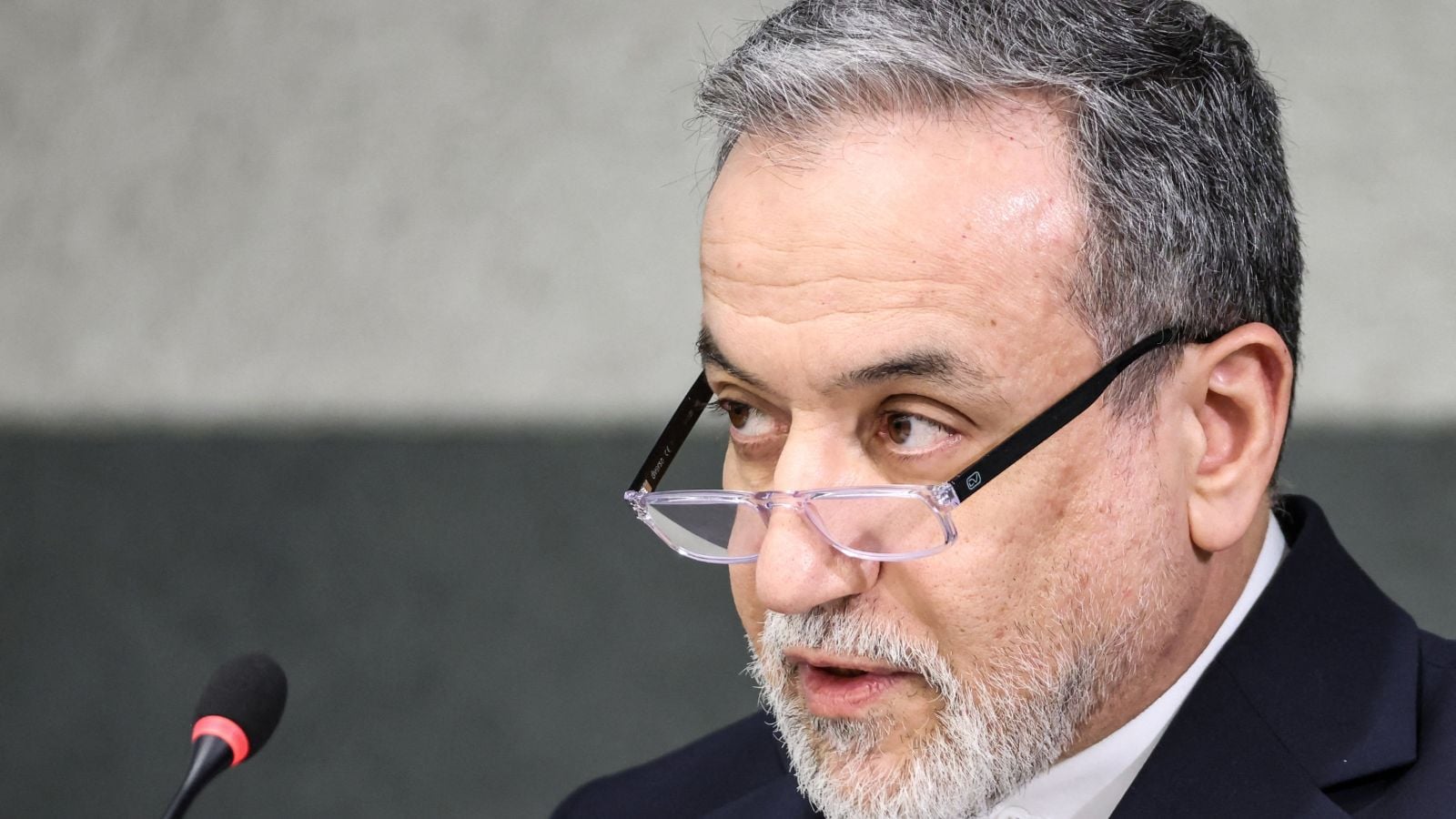
Statecraft between Beijing and Tehran is frequently misread through the lens of ideological solidarity or formal alliance architecture. In practice, the diplomatic choreography surrounding high-level ministerial visits—such as Iranian Foreign Minister Abbas Araghchi’s diplomatic mission to Beijing—operates on a strictly transactional axis defined by structural asymmetry, energy security imperatives, and counter-hegemonic risk mitigation.
Understanding this diplomatic engagement requires stripping away diplomatic platitudes and examining the underlying variables: Iran’s acute need for fiscal survival under maximum-pressure sanctions, China’s requirement for heavily discounted energy inputs, and the converging strategic incentives to constrain Western projection in vital maritime and continental choke points.
The Structural Asymmetry of Bilateral Dependence
The primary driver of the bilateral relationship is a severe imbalance of strategic alternatives. For Tehran, Beijing is not merely a diplomatic partner; it represents the primary structural shock-absorber against total economic isolation. With formal financial channels blocked by Western secondary sanctions, Iran's fiscal viability depends almost entirely on its capacity to export crude oil to independent Chinese refiners—the so-called teapots—at deep discounts.
This creates a distinct cost function for Iranian statecraft. Tehran possesses immense geopolitical leverage due to its geographical positioning astride the Strait of Hormuz and its adversarial posture toward Washington, yet it negotiates from a position of profound economic weakness. Araghchi’s diplomatic itinerary in Beijing functions less as a negotiation between equals and more as an institutional calibration exercise. The objective is to secure baseline economic lifelines while managing the risk of over-reliance on a single superpower that views bilateral engagement through the prism of its broader global competition with the United States.
For Beijing, the calculus is governed by risk minimization and resource optimization. China imports the vast majority of its energy consumption, making secure, non-dollarized, or sanction-evading hydrocarbon flows a vital national security priority. Iranian crude, purchased at a significant discount relative to Brent benchmarks and transacted via opaque financial architectures that bypass the Society for Worldwide Interbank Financial Telecommunication, offers an unmatched return on investment.
However, Beijing remains acutely sensitive to the enforcement mechanisms of Western secondary sanctions. Consequently, Chinese state-owned enterprises maintain a strict wall of separation between their global operations and direct exposure to Iranian entities, leaving trade to smaller, insulated financial institutions and regional banks capable of absorbing or evading regulatory penalties.
The 25-Year Strategic Accord and Implementation Friction
A frequent analytical error in assessing Sino-Iranian relations is treating the 25-year comprehensive cooperation agreement signed in 2021 as an operational roadmap rather than a statement of intent. The accord outlines sweeping ambitions across infrastructure, energy, telecommunications, and security, yet actual capital expenditure and realized joint ventures have lagged far behind initial projections.
The root cause of this execution gap lies in risk-adjusted capital allocation. Major Chinese conglomerates operate on rational profit-maximizing and risk-mitigated models. The friction of operating within an Iranian economy distorted by pervasive state intervention, infrastructural bottlenecks, and the constant threat of sudden regulatory changes or international sanctions discourages direct foreign investment.
Araghchi’s diplomatic engagements in Beijing directly target this implementation deficit. Iranian policymakers continuously seek to incentivize Chinese state firms to move beyond raw commodity purchases into infrastructural modernization, port development, and digital connectivity under the framework of the Belt and Road Initiative. Yet, Beijing’s willingness to commit capital is bound by strict performance thresholds. Investments are approved only when the geopolitical utility outweighs the commercial friction or when the financial terms heavily favor Chinese state contractors through secured resource-for-infrastructure swaps.
Regional Escalation and Security Calculus
Beyond bilateral trade and investment, high-level diplomatic missions between Tehran and Beijing are fundamentally shaped by the security architecture of the broader Middle East. The expansion of conflict involving Iran and its regional network introduces acute variables for Chinese foreign policy, which historically prioritizes economic stability and maritime trade security over regional entanglements.
Beijing’s primary strategic interest in the Middle East is the unimpeded flow of commerce through the Bab el-Mandeb strait, the Red Sea, and the Persian Gulf. Regional instability directly threatens these supply lines. While Tehran views its regional posture as a necessary deterrent against Western and allied encroachment, Beijing perceives uncontrolled escalation as a disruption to its global economic arteries.
When Iranian diplomats engage Chinese counterparts during periods of acute regional tension, the diplomatic dialogue centers on risk containment and maritime security coordination. Beijing uses these channels to quietly press Tehran for restraint, aiming to prevent systemic disruptions to energy markets that would damage Chinese economic growth. Conversely, Tehran seeks explicit diplomatic backing in international forums like the United Nations Security Council to shield its geopolitical posture from collective Western censure.
This dynamic produces a calculated divergence. China offers rhetorical support and veto protection against punitive multilateral measures, while avoiding direct security guarantees that could drag Beijing into a direct military confrontation with the United States or its regional partners.
The Financial Architecture of Sanction Evasion
The mechanics of Sino-Iranian trade rely on a parallel financial ecosystem designed to render Western monetary dominance obsolete. Because major international clearing houses and dollar-denominated accounts are sealed off from Iranian institutions, bilateral transactions utilize alternative settlement mechanisms, including localized currency swaps, barter arrangements, and transactions routed through small regional banks with minimal exposure to the Western financial system.
This architecture imposes heavy transaction costs on the Iranian economy. Middlemen, shell companies, and complex logistical rerouting strategies consume a substantial margin of Iran's oil revenue. Furthermore, the concentration of trade in renminbi restricts Tehran’s monetary sovereignty, tying its import capabilities almost exclusively to Chinese manufactured goods and industrial inputs.
Araghchi’s discussions in Beijing necessarily involve optimizing these payment channels to ensure that the friction of sanctions evasion does not trigger severe liquidity crises within Iran's domestic banking sector. As Western regulatory bodies continuously refine their tracking mechanisms against shadow fleets and illicit financial conduits, both nations must constantly adapt their operational protocols to maintain the flow of energy and goods.
Strategic Forecast
The trajectory of the Sino-Iranian alignment will not be determined by grand diplomatic declarations or ceremonial visits, but by the shifting tolerances of global risk and energy demand.
As long as Western sanctions remain the primary instrument of containment against Tehran, Iran will retain no viable alternative to its junior-partner status within the Beijing-led economic sphere. The structural reality ensures that China will continue to absorb Iranian energy assets on favorable, highly discounted terms while keeping strategic commitments limited enough to avoid secondary economic blowback from Washington.
The immediate operational play for Tehran is to extract maximum financial insulation and diplomatic cover from Beijing without triggering total economic subordination, while Beijing will continue to treat Iran as an expendable yet highly efficient hedge against energy insecurity in a fragmented global economy.