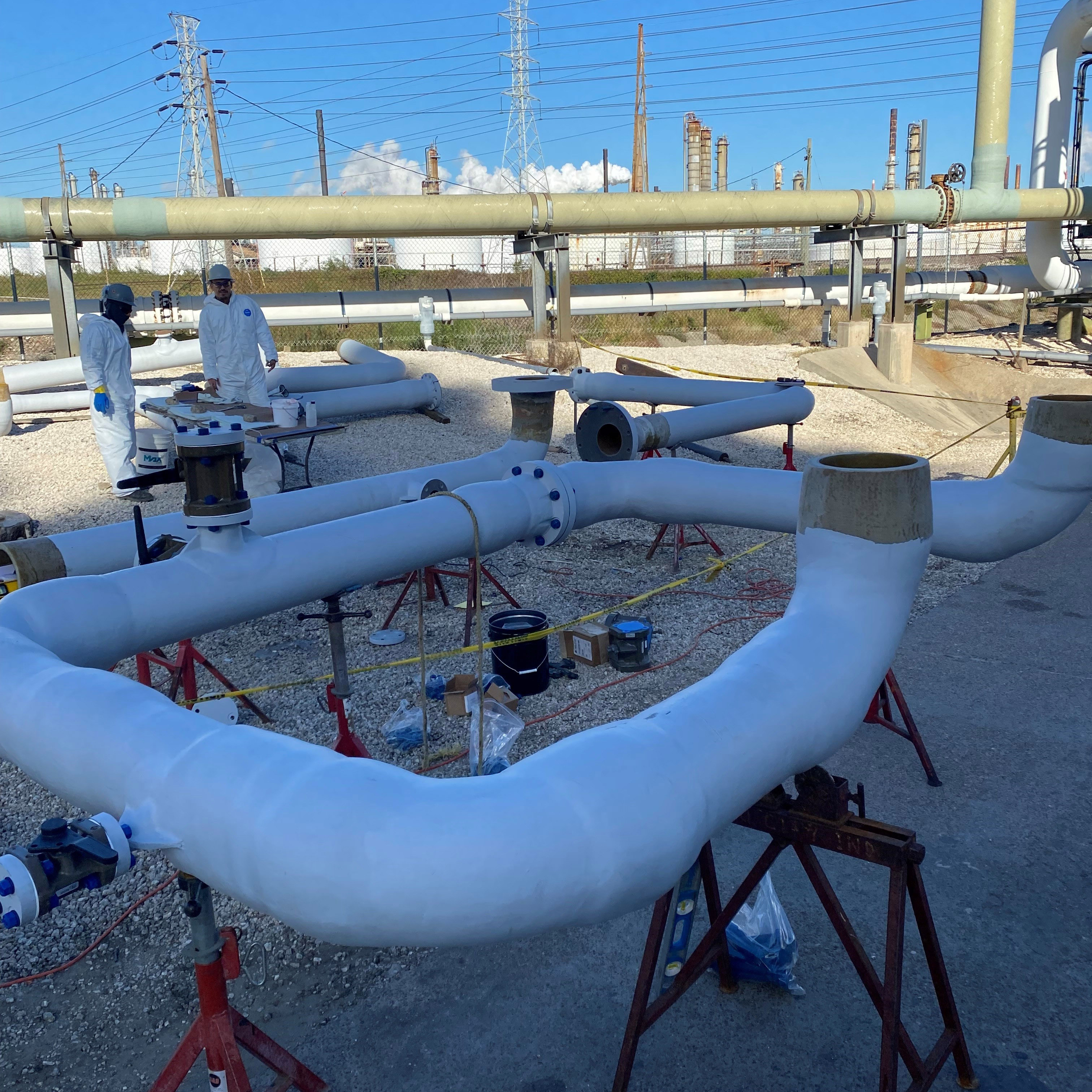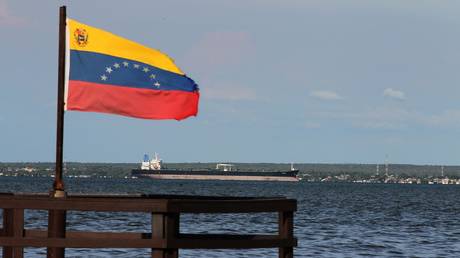
The air inside a Caracas office at midnight smells of stale coffee, damp concrete, and the quiet panic of spreadsheets that refuse to balance. Mateo bends over his monitor, the blue light catching the silver threads in his hair. For twenty years, he has watched the heavy crude pulse through the veins of state-owned pipelines, a dark syrup that once paid for schools, hospitals, and the bloated machinery of government. Now, the pumps stutter. The valves leak rust. The storage tanks, scorched by the Caribbean sun and neglected by a starved infrastructure, echo with hollow emptiness.
Then comes the broadcast from thousands of miles away. Learn more on a related subject: this related article.
A voice echoes through the television screen in the corner of the room, booming with the familiar cadence of a rally crowd. The speaker makes a staggering assertion: the United States has just doubled its national oil reserves through a deal with Venezuela.
Mateo stops typing. He looks at the screen, then at his own half-empty coffee mug, and a dry, humorless laugh escapes his throat. Doubled. As if crude oil can be conjured into existence by a signature on a piece of paper, as if barrels sitting hundreds of feet beneath the Orinoco belt can simply be teleported across the Gulf of Mexico to fill the salt domes of Texas and Louisiana. Further analysis by The New York Times delves into related perspectives on the subject.
Numbers matter. But in the theater of geopolitics, poetry often swallows arithmetic whole.
To understand the sheer weight of what was claimed, we have to look past the podium and into the brutal physics of extraction. When politicians talk about reserves, they are rarely talking about fuel ready to be burned in your sedan tomorrow morning. They are talking about potential. They are talking about heavy, viscous bitumen that clings to grains of sand like melted asphalt, sludge so thick it refuses to flow unless you heat it, steam it, dilute it, and drag it kicking and screaming to the surface.
Let us be precise about the ledger. Before any hypothetical deal, the United States held roughly thirty-eight billion barrels of proven crude oil reserves, tucked safely into the salt caverns of the Strategic Petroleum Reserve and scattered across the shale basins of Texas, North Dakota, and New Mexico. Venezuela, on paper, guards the largest proven reserves on planet Earth—roughly three hundred billion barrels.
To claim a doubling of American reserves via a Venezuelan accord is to treat geography as a suggestion. It assumes that a foreign resource sitting under a sovereign nation can be annexed onto a domestic balance sheet simply because trade sanctions loosen or diplomats shake hands. It is a rhetorical flourish. It is a magician pulling a continent out of a top hat.
Consider what happens next in the real world, far away from the television cameras.
In a hypothetical scenario where every restriction vanished overnight—where sanctions dissolved into mist and foreign capital flooded back into Lake Maracaibo—the oil does not instantly start flowing toward Houston. It waits. It waits for millions of dollars in wellhead repairs. It waits for specialized upgraders that can transform tar into something refineries can actually digest. It waits for stability, for trust, for courts that honor contracts, and for a workforce that has largely packed its bags and fled across the border to Colombia or Peru in search of a decent meal.
Energy independence is not a trophy you win once and keep on the mantelpiece. It is a garden that requires weeding every single morning.
The shale revolution in the United States did not happen because of a grand treaty. It happened because thousands of stubborn wildcatters in the Permian Basin spent decades drilling dry holes, losing fortunes, tweaking hydraulic fracturing techniques, and laying down pipeline mile by grueling mile until they unlocked tight rock. It was gritty, localized, decentralized engineering. It was the triumph of the bit meeting the stone.
When a politician stands at a microphone and claims a foreign partnership has suddenly doubled the nation’s energy hoard, they are banking on the fact that most people do not know the difference between a barrel in the ground and a barrel in the tank. They are selling the comfort of abundance.
And we want to buy it. We are tired of watching the little numbers tick upward at the gas station pump. We are exhausted by the quiet anxiety of watching distant wars choke off global shipping lanes. We want a simple fix. We want a deal.
Reality, however, is notoriously resistant to political spin.
The heavy crude of the Orinoco is not American property. It belongs to a nation currently navigating its own labyrinth of economic collapse, political defiance, and institutional decay. Even when American energy giants like Chevron operate within its borders under narrow licenses, they are walking a razor’s edge. They are extracting oil, yes, but they are doing so under strict guardrails designed to ensure profits do not simply prop up an authoritarian apparatus.
To suggest that this precarious dance equates to doubling domestic reserves is to misunderstand both the nature of sovereignty and the chemistry of oil.
Back in Caracas, Mateo shuts down his computer. The screen goes black, reflecting his tired eyes. Outside, the Caracas night is heavy and warm, carrying the distant sound of traffic and the quiet murmur of a city waiting for a future that always seems just out of reach. The pipelines are still old. The pumps still stutter. And somewhere across the sea, the applause fades, leaving only the quiet, unrelenting hum of the meters measuring what is real against what was promised.