Fear has a specific weight. Anyone who has ever waited in a drafty hospital hallway at three in the morning knows it. It does not sit in the chest like grief or burn like anger; it presses down from the crown of the head, cold and metallic, making the air taste like pennies and ozone.
Now, imagine that weight shared by millions, not because a monster has broken through the door, but because the door is locked from the inside and nobody will tell us what is pacing on the other side.
The World Health Organization recently received a curious, chilling dispatch from Moscow. Russia reported zero cases of the plague. None. Not a single sniffle, not a single swollen lymph node, not a single red flag on the radar. The assurance came packaged in the clean, bureaucratic language of international health reporting, designed to soothe, to quiet the pulse of global anxiety.
There is just one glaring problem. They refused to identify the pathogen.
Listen to that silence. It is not the quiet of peace. It is the quiet of a holding breath.
To understand why this matters, why a missing name on a laboratory requisition form should make your stomach drop, we have to look past the sanitized press releases and into the messy, tactile reality of how epidemics actually begin. Pathogens do not care about borders, diplomatic immunity, or geopolitical posturing. They care about cells. They care about warmth. They care about the unprotected spaces where human skin meets the open air.
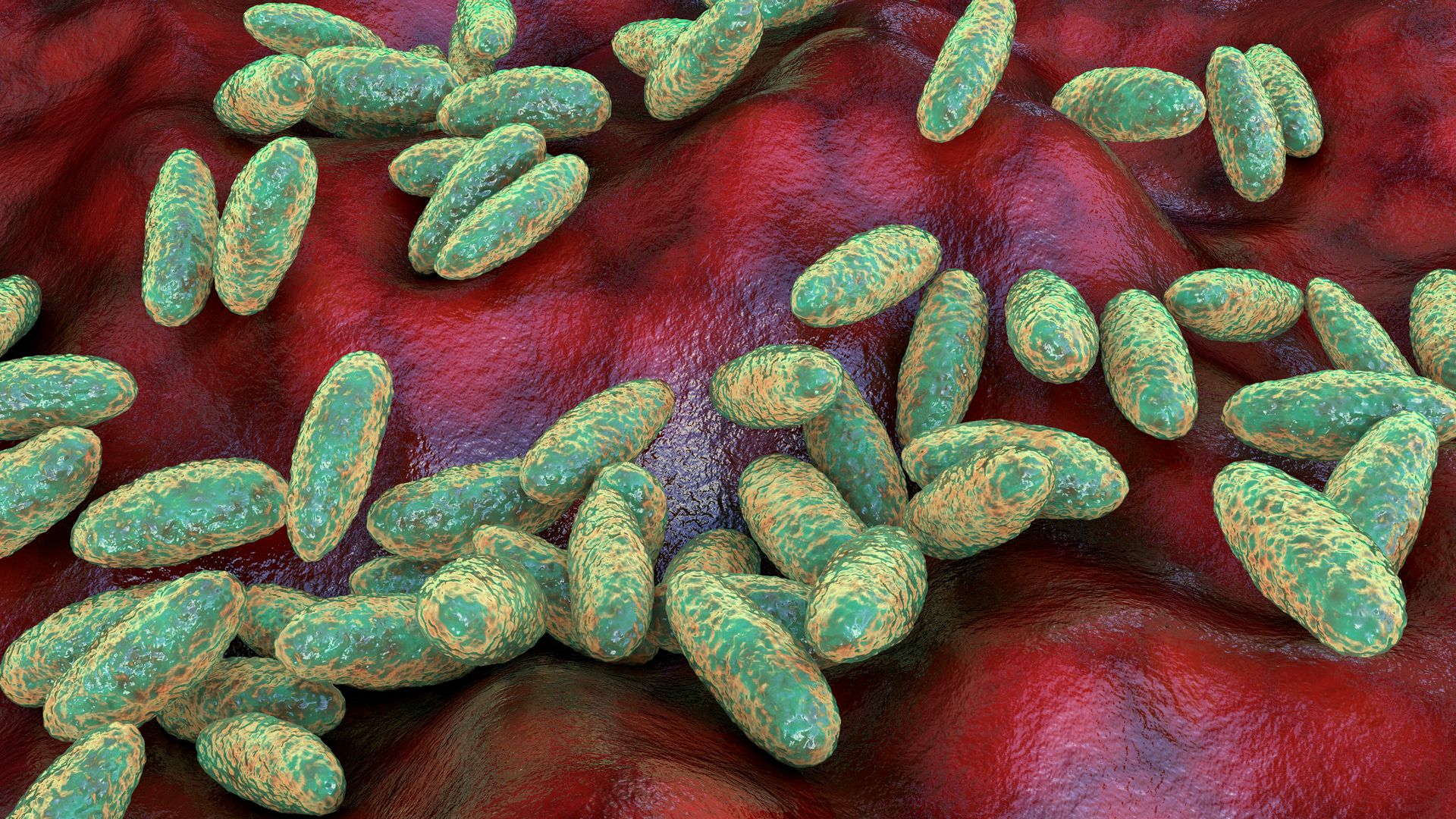
Consider what happens next in a hypothetical outbreak scenario, one drawn directly from the historical playbook of infectious disease control. Picture a dusty border town where the soil is dry and the rodent population thrives in the shadows of old barns. A farmworker wakes up with a fever that feels like boiling water running through his veins. By evening, a painful swelling appears beneath his arm—a bubo, the unmistakable signature of Yersinia pestis. He goes to a local clinic. Samples are taken. The local doctor looks down the microscope, freezes, and immediately reaches for a secure telephone line.
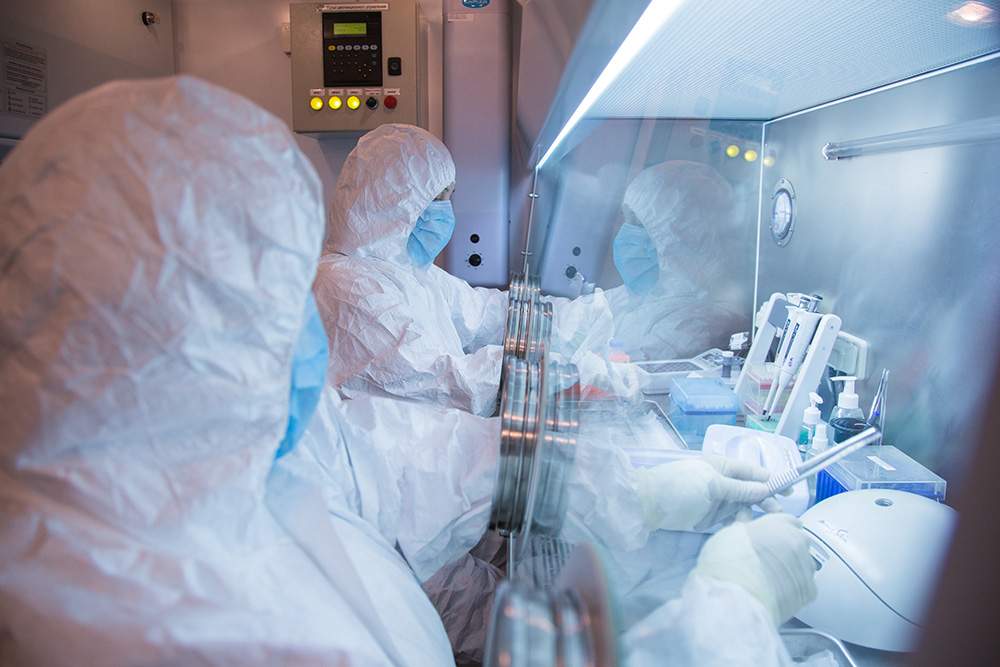
In a transparent system, that sample is sequenced within forty-eight hours. The genetic blueprint is uploaded to a shared global database. Scientists in Geneva, Atlanta, and Tokyo look at the same code, map the mutations, and immediately start figuring out which antibiotics will work and which defenses need reinforcement.
In an opaque system, the phone call happens, but the sample gets lost in a drawer. The data is classified. The word goes up the chain of command: Everything is under control.
That is the chasm where pandemics are born.
When international bodies are told that a disease threat has been neutralized without being allowed to inspect the evidence, we are no longer practicing public health. We are practicing blind faith. And blind faith is a terrible shield against a bacterium that has twice brought human civilization to its knees.
The black death of the fourteenth century did not sweep across Europe because people lacked medicine; it swept across Europe because they lacked truth. They whispered rumors in dark marketplaces while the carts rolled past in the night. They blamed bad air, alignment of the stars, and foreign travelers, anything to avoid confronting the microscopic reality multiplying in their midst. We like to think we have evolved past that primitive terror. We have satellites now. We have genomic sequencing. We have international treaties designed to prevent nations from hiding public health emergencies behind sovereign curtains.
Yet here we are.
When a superpower tells the global health watchdog that the monster is locked in the basement, but refuses to let anyone check the padlock, we are forced into a terrifying guessing game. Is it a localized flare-up of sylvatic plague, common to rodent reservoirs in certain steppes? Is it a resistant strain? Or is it something else entirely, a diplomatic shield deployed to protect trade routes and political optics while public safety takes a backseat?
We do not know. And that not knowing is the real contagion.
Uncertainty breeds a very specific kind of paralysis. If you are a border guard in a neighboring country, do you quarantine travelers coming from the affected region? If you do, you trigger economic retaliation and diplomatic fury. If you do not, and the pathogen is real, you might be rolling out the welcome mat for a killer. When information is withheld, governments are forced to choose between paranoia and negligence. Neither choice keeps anyone safe.
Let us be entirely honest about why this happens. Nations hate vulnerability. In the high-stakes poker game of international relations, admitting to an outbreak of an ancient, terrifying disease feels like showing a weak hand. It invites travel bans, stigmatization, and economic bruising. The temptation to bury the data, to manage the narrative, to insist that everything is fine while quietly scrubbing the hospital floors with bleach, is an old and powerful impulse.
It is also profoundly short-sighted.
Viruses and bacteria do not negotiate. They do not care about national pride. They do not read press releases. A lie told to calm the stock market is utterly transparent to a microbe looking for a new host. By the time a cover-up collapses under the weight of its own contradictions, the window for containment has usually slammed shut.
We have lived through the bitter lessons of this playbook before. Every major health crisis of the modern era began with a government official looking a reporter in the eye and claiming there was nothing to see here. We watched it in the early days of HIV. We watched it in the initial whispers surrounding SARS. We watched it unfold in slow motion during the dawn of COVID-19, when local doctors who tried to sound the alarm were silenced as troublemakers while the pathogen quietly packed its bags for the rest of the world.
History is not just a collection of dates in a textbook; it is a weight pressing down on our shoulders, warning us not to make the same mistake twice.
When Russia tells the WHO that there are no cases of plague while simultaneously pulling the blanket over the identity of the pathogen, they are asking the rest of the world to suspend disbelief. They are asking us to trust their competence over our own survival.
That is not a reasonable request. Public health is built on verification, not trust. Trust is what you give a friend when they promise to help you move; verification is what you demand when someone hands you a glass of water from an unknown well and swears it is not poisoned.
If the pathogen in question is harmless, or easily contained, or already beaten back by aggressive intervention, proving it takes very little effort. Open the labs. Share the genetic sequences. Let the epidemiologists look at the data. Sunlight is famously the best disinfectant, and it works just as well on bureaucratic secrecy as it does on mold in a damp cellar.
The alternative is a slow-burn paranoia that poisons relations between nations long before any physical symptoms manifest. It turns neighbors into suspects and health reports into cryptography.
We stand at a strange crossroads in our collective relationship with science. On one hand, we possess the tools to read the very code of life, to track a mutation across continents in real time, to synthesize defenses with breathtaking speed. On the other hand, we remain helplessly vulnerable to the oldest human failing of all: the desperate, cowardly urge to hide the truth when it becomes inconvenient.
The plague did not vanish from the earth because we conquered it with superior wisdom. It retreated into the cracks of the world, into the burrows of wild rodents, into the cold dirt of remote wildernesses, waiting for us to lower our guard. It waits for moments like this, when human politics becomes more important than human safety, when pride takes precedence over transparency.
Listen closely to the silence coming out of those labs. It is not empty. It is filled with the sound of a ticking clock.
Until the pathogen is named, until the data is laid out on the table for the world to see, we are walking through a dark room with our arms outstretched, hoping against hope that the thing waiting in the corner is just a shadow.
And the worst part is, we won't know the truth until it reaches out and touches us.