The steel hull of a cruise ship is a world of its own, a floating city designed to keep the chaos of the ocean at bay. We board these vessels for the illusion of total control. We want the buffet to be endless, the sheets to be crisp, and the air to be scrubbed of anything resembling the grit of real life. But when the word "hantavirus" begins to circulate through the corridors of a luxury liner, that illusion of safety doesn't just crack. It shatters.
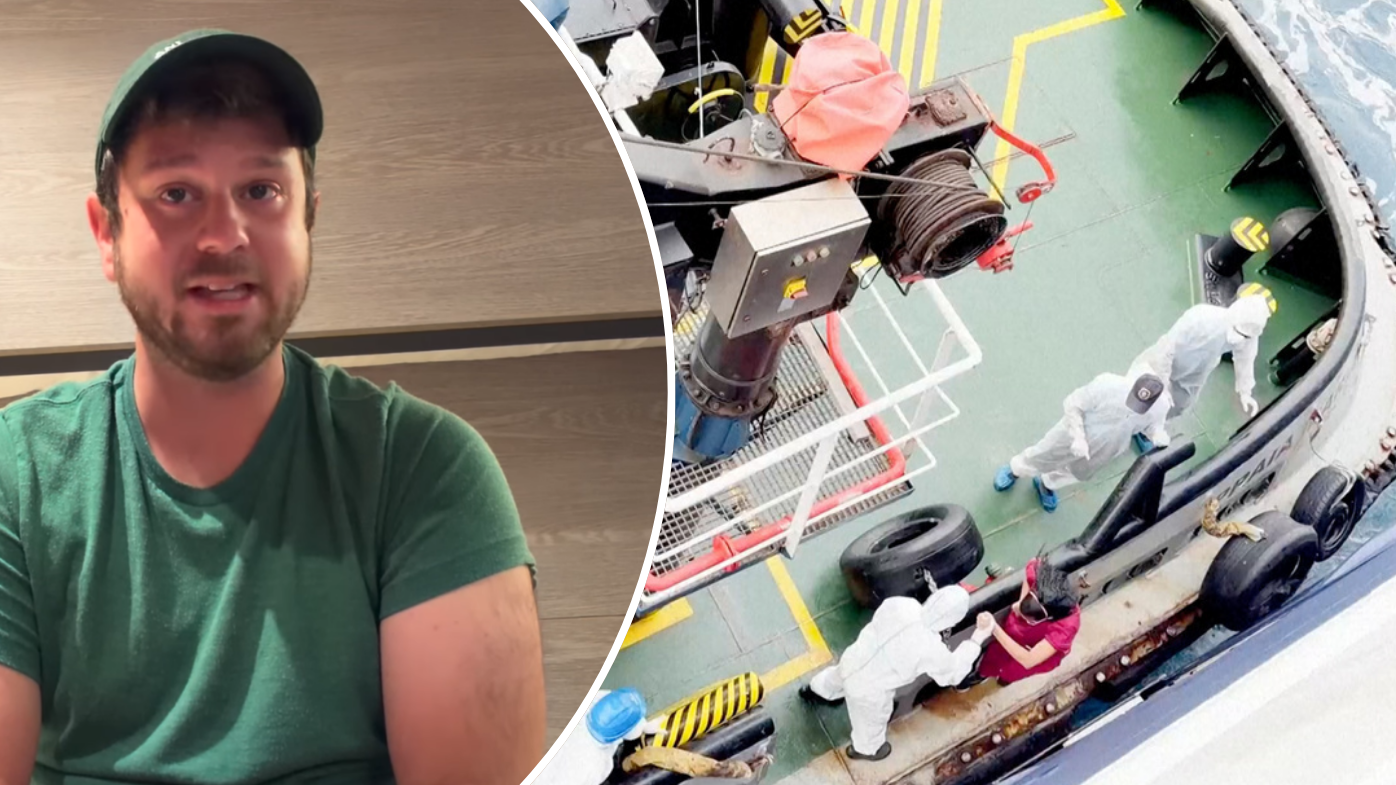
I have spent a decade living out of a suitcase, documenting the corners of the globe where the Wi-Fi is spotty and the water is questionable. I know the smell of a ship under pressure. It is a mix of industrial-grade bleach and the salt-heavy dampness of the deep Atlantic. When news broke that a prominent cruise vessel was being investigated for a hantavirus outbreak, the internet reacted with its usual surgical precision: panic. People saw images of white hazmat suits and imagined a plague ship drifting aimlessly, a petri dish of viral doom.
But the reality of biosecurity on the high seas is far less cinematic and far more disciplined than the headlines suggest.
The Invisible Perimeter
To understand why a ship isn't a floating hazard, you have to look at the "invisible perimeter." Imagine a young traveler—let’s call her Sarah—stepping onto the gangway. She sees the smiling crew and the sparkling glass elevators. What she doesn’t see is the war being waged against the microscopic world. Every handrail she touches has likely been sanitized six times since breakfast. Every vent she breathes near is part of a complex filtration system designed to isolate and neutralize.
Hantavirus is a terrifying name. It carries the weight of the wilderness, typically associated with rodent droppings in dusty, abandoned cabins in the mountains—not the polished chrome of a mid-Atlantic suite. The virus is a hitchhiker. It doesn't generate from the ship itself; it is brought on, a stowaway in a crate of supplies or a rogue passenger from a port of call.
When the "hantavirus ship" hit the news cycle, the narrative was that the vessel was "unclean." This is where the public perception of hygiene fails to meet the scientific reality of biosecurity. A ship can be the cleanest environment you will ever inhabit and still fall prey to a biological outlier.
Defending the Steel Walls
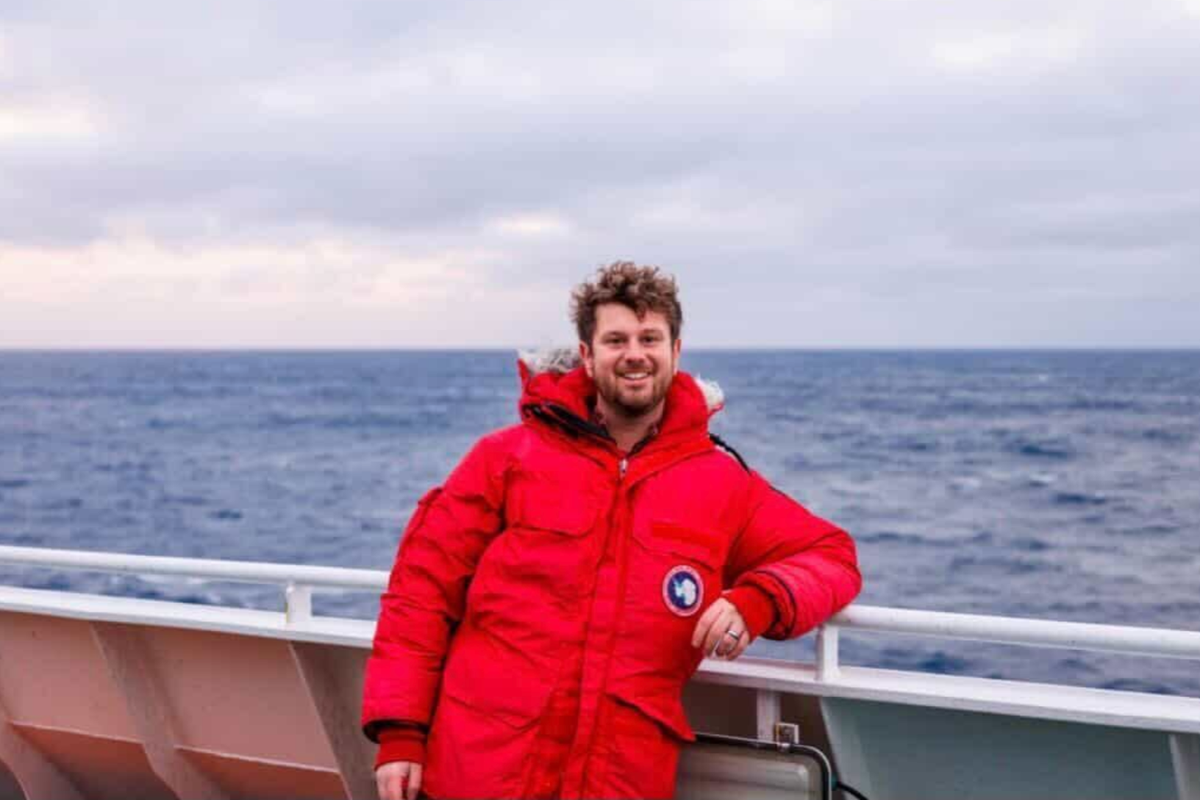
A prominent U.S. travel blogger, someone who has spent more nights on the water than on dry land, stepped into the fray to defend the vessel. This wasn't a corporate PR move. It was an observation of the sheer mechanical rigor required to keep a ship operational.
"You could eat off the floor of the engine room," they noted. That isn't hyperbole. Modern cruise ships operate under biosecurity protocols that would make most land-based hospitals blush. They use electrostatic sprayers that wrap disinfectant around curved surfaces. They employ dedicated public health officers whose entire career is dedicated to "Vessel Sanitation Programs" (VSP), a set of standards monitored by the CDC that are so stringent they often dictate the exact temperature of the dishwater to the degree.
Consider the logistics. A ship is a closed loop. If a virus enters that loop, the response is not a frantic scramble; it is a pre-programmed sequence of isolation. The blogger pointed out that the ship in question didn't just meet standards—it exceeded them. The presence of a virus isn't always evidence of a failure in cleanliness. Sometimes, it is simply evidence of the porous nature of our globalized world.
The Human Toll of Hyperbole
When we label a ship "infected," we forget the humans who live within its ribs. The crew members, often working thousands of miles from their families, become the front line. They are the ones doubling down on the scrub-downs, the ones ensuring that every "high-touch" surface is neutralized.
I remember being on a ship during a Norovirus scare years ago. The atmosphere changes. The "Wash Your Hands" jingles at the buffet stations stop being a suggestion and start feeling like a mantra for survival. You see the fatigue in the eyes of the staff, but you also see a level of professional pride. They aren't just cleaning; they are reclaiming their home from a microscopic invader.
The defense of the hantavirus-struck ship isn't just about protecting a brand or a corporate bottom line. It is about correcting the record on how modern travel actually works. If we believe that a single case of a rare virus means a ship is "dirty," we ignore the Herculean effort that goes into the 99.9% of the time when everything goes right.
The Logic of the Lockdown
Let’s look at the numbers, the cold facts that the panic-mongers tend to skip. The CDC’s Vessel Sanitation Program scores ships on a 100-point scale. Anything below an 86 is a failure. Most major cruise lines consistently hit 95 to 100. To get a 100, a ship must be practically sterile.
In the case of the hantavirus ship, the biosecurity measures were already in place before the first symptom was even reported. The ship didn't become clean after the outbreak; it was clean during it. The virus was an anomaly, a ghost in the machinery that was hunted down and isolated with a speed that would be impossible in a city or a suburban neighborhood.
We live in an age where "clean" is often equated with "safe," but safety is actually a product of systems. A dirty kitchen is a hazard, yes. But a clean ship with a robust biosecurity protocol is a fortress. The blogger’s defense of the vessel was a defense of these systems. It was a reminder that we are safer on a monitored, sanitized, and regulated vessel than we are in many of the public spaces we traverse daily without a second thought.
The Psychology of the Voyage
Why does this matter so much? Because the way we talk about health in travel dictates our freedom to move. If we succumb to the narrative that every ship is a lurking biohazard, we lose the ability to explore. We retreat.
The invisible stakes are the livelihoods of the thousands of people who keep these ships running and the mental well-being of the passengers who deserve to know the difference between a genuine threat and a statistical rarity. The fear of hantavirus is a fear of the wild, of the untamed thing that sneaks into our curated spaces. But the story of the cruise ship is the story of our ability to tame it.
The bleach will fade. The hazmat suits will be packed away. The headlines will find a new tragedy to feast upon. But the ship will remain—a testament to the fact that even in the face of a microscopic intruder, the systems we have built are designed to hold the line.
The sun sets over the aft deck, casting long, orange shadows over a floor that has been scrubbed so many times the grain of the wood seems to shine with a preternatural glow. A passenger leans on a railing, looking out at the endless blue, unaware that the metal beneath their hands is perhaps the most scrutinized surface on the planet. They are safe not because the world is a clean place, but because this ship refused to let it be anything else.