The neon sign above Maria’s mariscos joint in South Los Angeles flickers with a soft, humming rhythm. For months leading up to the mega-event, economic promises echoed through local news channels like a gospel of prosperity. Millions of tourists. Billion-dollar windfalls. A global stage where every small shop owner, ride-share driver, and street vendor would catch a drift of the golden rain.
So Maria ordered extra crates of shrimp. She scheduled her nephew for double shifts. She bought three new outdoor tables on credit, convinced that the sheer volume of international soccer fans would turn those plastic chairs into real estate as valuable as a Beverly Hills patio.
Then the tournament arrived.
The crowds did come, but they moved like oil on water, passing right over the neighborhoods that needed them most.
The Illusion of the Megagame
Big-ticket international tournaments operate on a familiar script. City officials parade projection models at press conferences, waving glossy charts that predict a historic surge in commerce. They talk about room-night guarantees, direct visitor spending, and long-term brand equity. They tell a story of collective rising tides.
What they rarely mention is the concept of economic leakage.
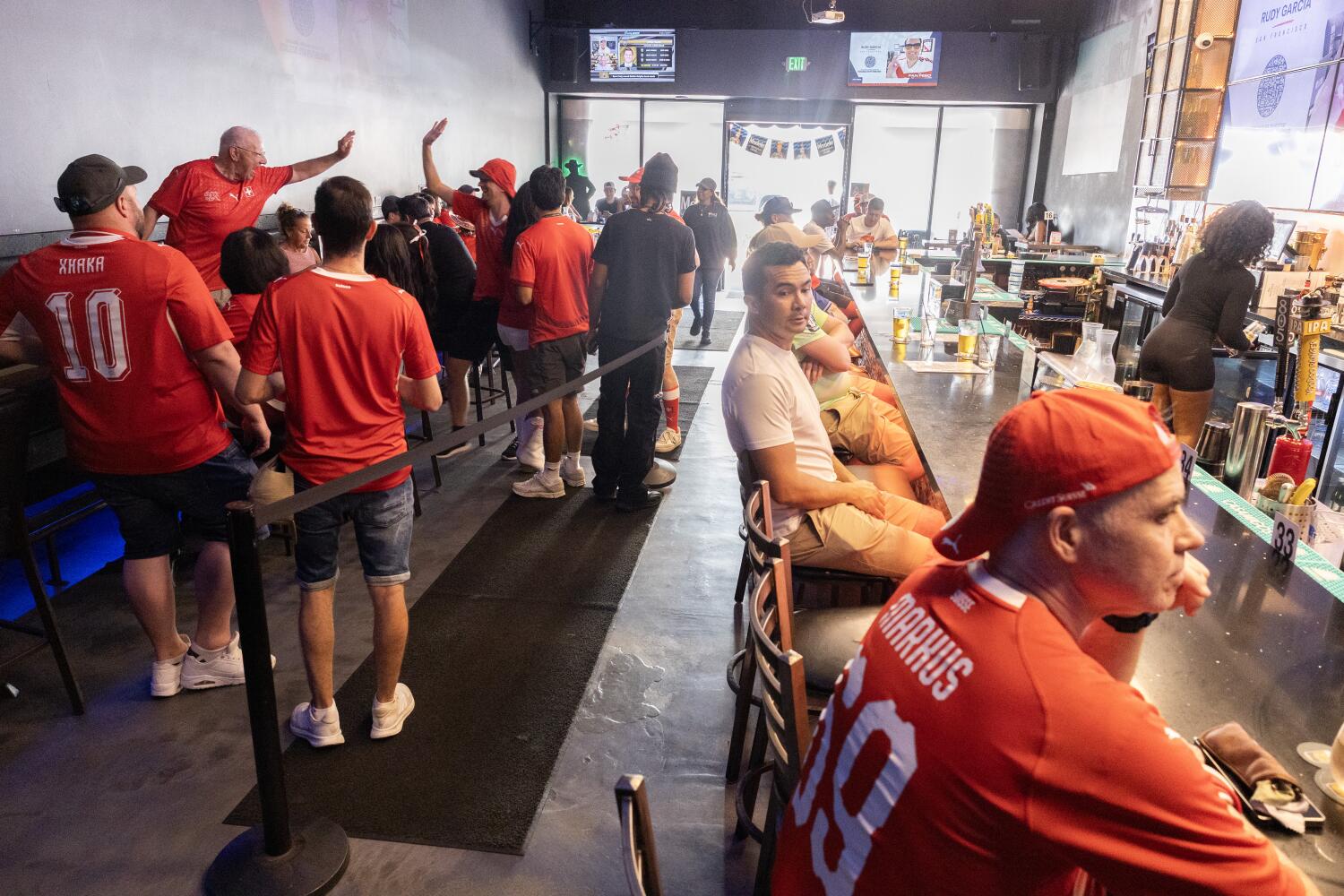
Consider what happens when a soccer enthusiast lands at LAX. They do not wander down local avenues searching for authentic street food. They step into a pre-booked shuttle. They check into a flagship hotel chain owned by a global conglomerate based thousands of miles away. They buy ticket packages that bundle food, beverages, and transportation into a single, closed-loop transaction.
The money flows. It flows furiously. But it flows into a distinct, hyper-insulated pipeline designed specifically to keep capital from spilling out into the local ecosystem.
A Tale of Two Cities Within One Area Code
Take a hypothetical walk down two distinct paths during a match day.
Path A leads straight through the official fan zones and stadium corridors. Here, a single draft beer costs eighteen dollars. An official souvenir scarf commands forty. The cash registers chime continuously, logging figures that will later populate post-event press releases highlighting "record-breaking regional revenue."
Path B lies just three blocks outside the stadium perimeter.
Here, Maria stands behind her counter, watching police barricades steer thousands of pedestrian fans away from her street and toward designated transit hubs. The municipal traffic management plan, designed to keep vehicular flow moving efficiently, effectively walled off local businesses from foot traffic. To the fans, her shop was invisible. To Maria, the fans were an unattainable mirage moving behind dark-tinted bus windows.
This contrast reveals the primary misconception about massive sporting events. A boom in economic activity within a stadium footprint does not automatically yield a boom for the surrounding city. Often, it causes the exact opposite: local residents avoid the area entirely to escape traffic jams, while visiting fans remain locked inside curated corporate bubbles.
The Real Cost of Preparation
Preparing a city for a global spectacle is not free. Municipalities spend millions on overtime pay for law enforcement, specialized traffic routing, sanitation upgrades, and infrastructure tweaks tailored to event organizers.
Small business owners bear a parallel shadow cost.
They stock up on perishable inventory. They bid against one another for short-term labor. They raise prices slightly to cover overhead, only to find themselves priced out of the casual market while the corporate crowds remain sequestered elsewhere.
When the actual turnout fails to match the inflated forecasts, the aftermath is quiet and heavy. The extra inventory spoils. The credit bills for additional seating arrive. The promised windfall turns out to be a zero-sum game where the stadium operators win and the surrounding neighborhood absorbs the debt.
Reimagining the Local Playbook
The issue is not that host cities should turn down major events. The issue lies in how success is measured and how access is distributed.
True economic integration requires moving beyond passive hope. It means designing fan corridors that intentionally feed into existing commercial districts rather than bypassing them. It means creating micro-grant funds to hedge local vendors against over-investment. It means telling a realistic story about who actually benefits when the world comes to town.
Maria eventually sold those three extra outdoor tables at a loss on an online marketplace. The neon sign still hums above her door in South L.A., casting a steady pink glow over a half-empty dining room, long after the stadiums have gone dark and the crowds have flown home.