The Envelope That Changes Everything
The paper feels heavy. Heavier than ordinary bond paper, carrying the weight of a quiet prayer mailed months ago from a cramped internet cafe in a city where the electricity flickers like a dying match.
For months, the digital portal remained a silent fortress. You refresh the screen. You type the case number for the hundredth time. The numbers blur. Zero turns into an O. An eight looks like a three. And then, the screen shifts. A bar-coded letter appears. You have been selected.
In that single heartbeat, the geography of your entire existence shifts. Your mind races past the kitchen table, past the crowded bus routes, past the borders that have defined the boundaries of your ambition. You see asphalt in Chicago. You hear the hum of a subway in New York. You taste a future that was, until this exact second, entirely theoretical.
Winning the Diversity Visa lottery is often misunderstood as a prize. It is not a winning lottery ticket you cash in at the corner store. It is an invitation to climb an impossibly steep mountain, and the state department just shouted up from the base camp that the gate is closing.
The Race Against the Clock
Consider what happens next for the fortunate few who hold that notification.
The clock starts ticking with a cruel, unyielding rhythm. The United States State Department has officially resumed green card lottery visa issuance, turning a bureaucratic engine back on after a period of anxious stillness. But relief is immediately swallowed by panic.
The deadline stands immovable against the calendar: September 30.
September 30 is not a soft suggestion. It is a brick wall. Under federal law, if a diversity visa is not issued by midnight on the final day of the fiscal year, it vanishes into thin air. It cannot roll over. It cannot be extended. It evaporates, taking with it the dreams of families who dared to imagine a different tomorrow.
Imagine sitting across from a consular officer, clutching a folder thick with tax returns, police certificates, medical examination records, and birth certificates that date back generations. Every document must be pristine. Every translation must be exact. One missing stamp, one delayed chest X-ray, one administrative hiccup, and the calendar strikes the deadline.
This is the hidden psychological toll of the green card lottery. It dangles a golden key in front of millions, only to force the winners through a needle’s eye while a stopwatch counts down the seconds.
The Anatomy of a Long-Shot Dream
To understand why this September deadline causes such profound anxiety, you have to look at the sheer scale of the machine.
Every year, millions of people from countries with historically low rates of immigration to the United States throw their names into a digital hat. Statistically, the odds are brutal. It is a global lottery where hope is the only currency. Out of millions of hopefuls, only a fraction are randomly selected for further processing.
(Note: While the official program makes roughly 55,000 immigrant visas available each year, the number of selectees is always significantly higher to account for those who fail to complete the process or get disqualified.)
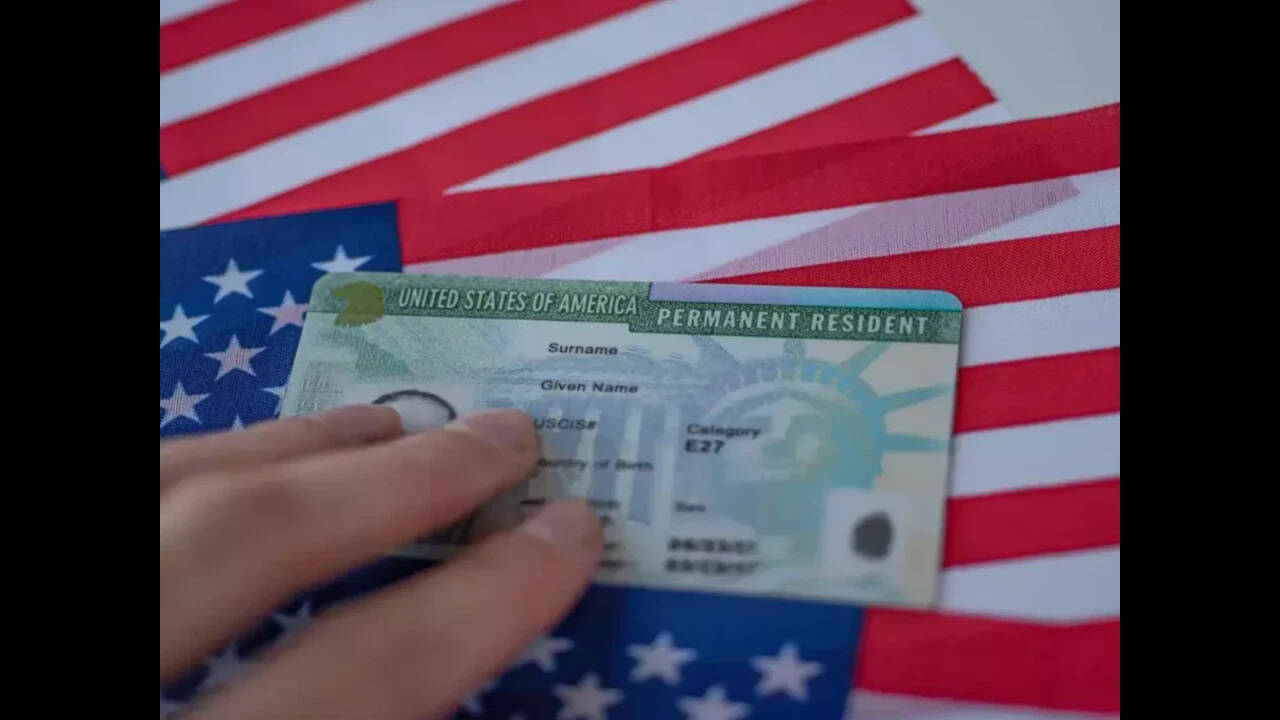
When the selection notice arrives, it does not mean you have a green card. It means you have permission to apply for one.
Think of it like being handed the blueprints to a house you are allowed to build, provided you build the entire thing in thirty days using only the tools currently in your backpack. You must prove financial self-sufficiency. You must pass rigorous background checks. You must secure an interview slot at a U.S. embassy that may be dealing with its own staggering backlog of cases.
When administrative processing slows down—whether due to system outages, policy shifts, or bureaucratic bottlenecks—the victims are not faceless entities. They are engineers, teachers, artists, and parents who have already given notice at their jobs, pulled their children out of school, and packed their lives into cardboard boxes, waiting for a visa stamp that sits on the other side of a closed window.
The Cost of Waiting
I remember the silence of a room filled with people who were waiting.
You can smell the nervous sweat. You can hear the rustle of papers being re-ordered for the fifth time. Everyone is looking at the door, waiting to see who walks out with a passport bearing the foil immigrant visa sticker, and who walks out with eyes lowered, holding a refusal slip.
When issuance pauses and resumes under the shadow of an impending fiscal year cutoff, that waiting room anxiety multiplies exponentially. Winners watch the calendar flip from August to September with a sick feeling in their stomachs. They call embassies. They send frantic emails. They check online forums where thousands of other strangers share the same collective psychosis, decoding cryptic status updates like ancient runes.
Every day spent waiting is a day closer to the cliff. If September 30 arrives and your case file is sitting on a supervisor's desk awaiting a final signature, the law does not care that you tried your best. The fiscal year ends. The computer system locks. The visa numbers assigned to your dream dissolve back into the ether.
Crossing the Threshold
And yet, despite the cruelty of the timeline, people keep running.
They run because the alternative is accepting the boundaries carved out by geography at birth. They run because human beings have an irrepressible instinct to seek out new soil, to test their resilience against unfamiliar elements, to build something better for the children whose names they haven't even given yet.
As the final weeks of September bleed away, consular offices around the world work in overdrive. Lights stay on past midnight. Phones ring constantly. Officers sift through medical clearances and background checks with caffeinated urgency, trying to pull as many families across the finish line as humanly possible before the clock strikes zero.
For those who make it, the prize is not just a piece of cardstock stored in a leather wallet. It is the quiet realization, standing in the customs line at an American airport while the fluorescent lights hum overhead, that the invisible barrier has finally broken. The heavy envelope is folded in a coat pocket. The race against the calendar is won. And the rest of their life is finally beginning to breathe.