We tend to forget the sheer audacity of mid-century government engineering. During the Cold War, the Atomic Energy Commission looked at massive underground natural gas deposits trapped in tight rock formations and asked a wild question. Why not crack the earth open with nuclear weapons?
It sounds like a rejected script for a dark comedy, but it actually happened. The United States government detonated a nuclear bomb to unlock natural gas deep beneath the American soil. They called it Operation Plowshare. The goal was peaceful nuclear explosions. The reality was a bureaucratic and environmental disaster that left behind radioactive fuel and a lingering public health nightmare.
Most people have no idea this happened. If you mention it, they think you are talking about science fiction. You are not.
The Grand Plan to Frack with Atoms
Back in the late 1960s, domestic natural gas supplies looked tight. Energy companies knew trillions of cubic feet of gas sat trapped in tight sandstone formations across the American West. Traditional drilling methods could not touch it. The rock was too dense.
Enter the Plowshare program. Scientists and military planners figured nuclear explosives could shatter the rock on an industrial scale. They would create a massive underground cavity filled with broken rubble, allowing the gas to flow freely to the surface.
Project Gasbuggy was the first joint government and industry test. On December 10, 1967, deep beneath the remote desert of Rio Arriba County, New Mexico, they dropped a 29-kiloton nuclear device down a 4,240-foot borehole. Then they pushed the button.
The blast was roughly twice the power of the bomb dropped on Hiroshima. It melted the surrounding rock, vaporized minerals, and created a subterranean cavern that collapsed into a towering chimney of broken rubble.
Pumping Radioactive Fuel to the Surface
The explosion worked in terms of fracturing the rock. Gas started flowing. But there was a massive, terrifying catch. The natural gas was soaking in radioactive isotopes, primarily tritium and krypton-85.
You cannot simply burn radioactive gas in civilian kitchen stoves without consequences. The government ran a series of production tests over the following years. Ultimately, Project Gasbuggy produced about 213 million cubic feet of natural gas.
That sounds like a lot of energy until you realize what came with it. The gas was hot with radiation. Samples taken from the wellhead showed alarming levels of contamination. The government had to figure out what to do with millions of cubic feet of glowing fuel.
They flared some of it off, burning radioactive gas directly into the New Mexico atmosphere. They vented more of it over time, hoping dilution would solve the pollution. Energy companies even considered piping some of the gas into local distribution networks for commercial use. Thankfully, public outcry and basic common sense stopped the worst of those distribution ideas, but the precedent was terrifying.
Project Rulison and Project Rio Blanco
Gasbuggy was not a one-off experiment. The Atomic Energy Commission doubled down. They thought they just needed to tweak the recipe.
In 1969, Project Rulison detonated a 40-kiloton nuclear device near Rifle, Colorado. It was even bigger than the New Mexico blast. Local residents fought the project in court, arguing that contaminating underground water supplies and venting radioactive gas into the air was an insane way to solve an energy shortage. They lost the legal battle, but history proved them right.
Not content to stop there, the government launched Project Rio Blanco in 1973, detonating three separate 30-kiloton nuclear bombs simultaneously in a single wellbore in Garfield County, Colorado.
By this point, the public was furious. Environmental groups were mobilizing. The atomic dream was turning into a public relations and ecological nightmare. The triple blast at Rio Blanco produced disappointing gas yields anyway, proving that the economic viability of nuclear fracking was a pipe dream.
The Lingering Legacy in the Desert
Operations stopped, but the mess remained. You cannot just detonate nuclear weapons underground and walk away without consequences.
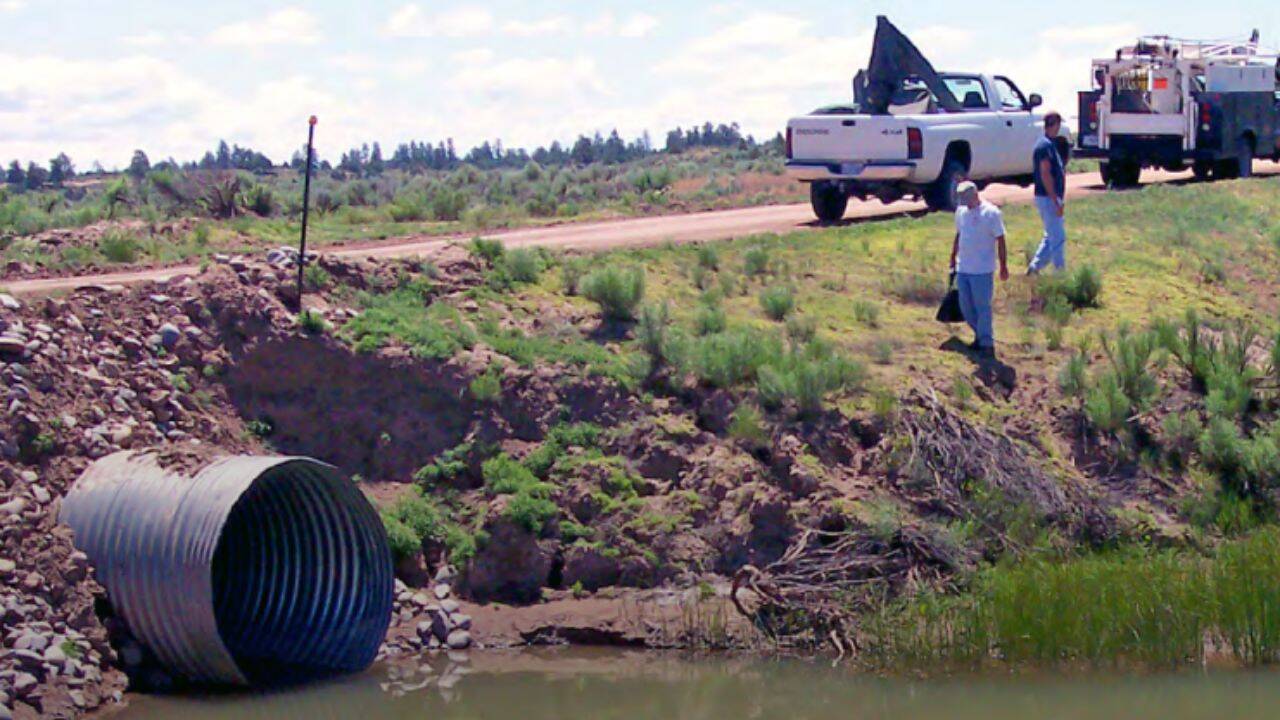
Long-term monitoring programs revealed that tritium migrated through the rock strata. Decades later, federal and state agencies still monitor the Gasbuggy and Rulison sites. Surface equipment was eventually removed, plugged, and abandoned, but the deep underground remains scarred. Walk across the remote New Mexico landscape near the original Gasbuggy site today, and you will find little more than a small monument marking where the earth was split by an atomic blast.
The project failed for three main reasons. First, the gas was too radioactive to safely sell to consumers. Second, the cost of managing the nuclear materials and monitoring the sites outweighed any potential economic benefit. Third, the public simply refused to accept the risk of nuclear explosions happening in their backyards.
We look back at these projects with a mixture of disbelief and horror. It represents an era when technological optimism blinded engineers to basic safety and common sense.
If you ever find yourself driving through the quiet expanses of western Colorado or northern New Mexico, remember what lies deep beneath the dirt. It is a quiet reminder of the time American engineers tried to solve an energy crisis with atomic fire, leaving behind a radioactive footprint we are still managing today. Stop looking for quick technological fixes to complex resource problems. Sometimes, the hard path is the only safe one.