The federal government has quietly cleared and disbursed nearly $100 billion in illegal tariff refunds to corporate importers, marking an unprecedented retreat in modern economic policy. Following the Supreme Court decision striking down the administration's expansive emergency import duties, U.S. Customs and Border Protection accelerated payments at a pace that shocked trade attorneys and market analysts alike. Yet behind this staggering figure lies a stark financial reality. The ordinary shoppers and smaller enterprises who absorbed these levies at the checkout counter will not see a single cent of the returned capital.
The Mechanics of the Ten-Figure Reversal
U.S. Customs and Border Protection officials submitted formal filings to the Court of International Trade confirming that approximately $100 billion out of an estimated $166 billion collected under emergency executive powers has been processed and sent to the Treasury Department for payout. The mechanism driving this massive transfer is the Customs Automated Processing Environment platform, designed specifically to handle hundreds of thousands of refund declarations from corporate importers.
When the Supreme Court invalidated the administration's invocation of the International Emergency Economic Powers Act, it created an immediate legal obligation to unwind the revenue. Treasury officials initially warned that litigation could drag on for years, dismissing potential payouts as a distant, uncertain prospect. Instead, the bureaucracy mobilized with surprising velocity. More than 128 billion dollars in potential and certified claims were accepted for evaluation, resulting in the rapid clearance of the $100 billion milestone.
Corporate Beneficiaries and Excluded Main Streets
The structural design of federal customs law dictates that only the importer of record possesses legal standing to file for and receive tariff reimbursements. This administrative rule effectively locks out the end consumer and a vast majority of independent retail businesses.
Consider a hypothetical mid-sized hardware store operating in the Midwest. When emergency import levies hit foreign steel and manufactured goods, the store's wholesale suppliers passed those additional charges down the chain. The hardware store paid inflated prices, subsequently raising costs for local contractors and retail buyers. Under current federal guidelines, that hardware store cannot claim a refund from Customs because it was not the direct importer of record.
The actual checks are flowing straight back to major multinational corporations, large logistics firms, and mega-retailers who possessed the legal designation and administrative bandwidth to file complex claims. Critics across the political spectrum have labeled the rollout a form of unintended corporate welfare, funneling billions back to balance sheets that had already absorbed the duties by pricing them into consumer goods.
The Legislative Pivot and Ongoing Legal Battles
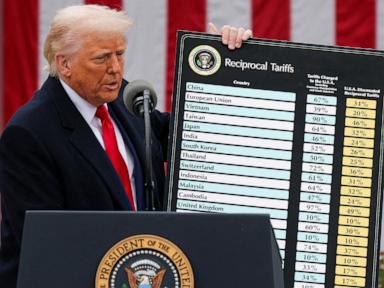
Even as the federal government returns billions in invalidated levies, the administration is actively attempting to reconstruct its tariff wall using alternative statutory authorities. Fresh duties ranging between 10 and 12.5 percent have been deployed against dozens of global trading partners under separate provisions of trade law.
This strategy has triggered immediate pushback. A coalition of state attorneys general filed fresh lawsuits in federal court challenging the legality of the new duties, arguing they function merely as a pretext to replace the exact revenue streams dismantled by the judiciary earlier this year. As federal courts prepare to hear arguments on these successor measures, the cycle of imposition, litigation, and mandatory refunds threatens to repeat itself on an identical scale. The Treasury continues to disburse historical checks to corporate ledgers while fresh trade disputes wind their way through the judicial system.