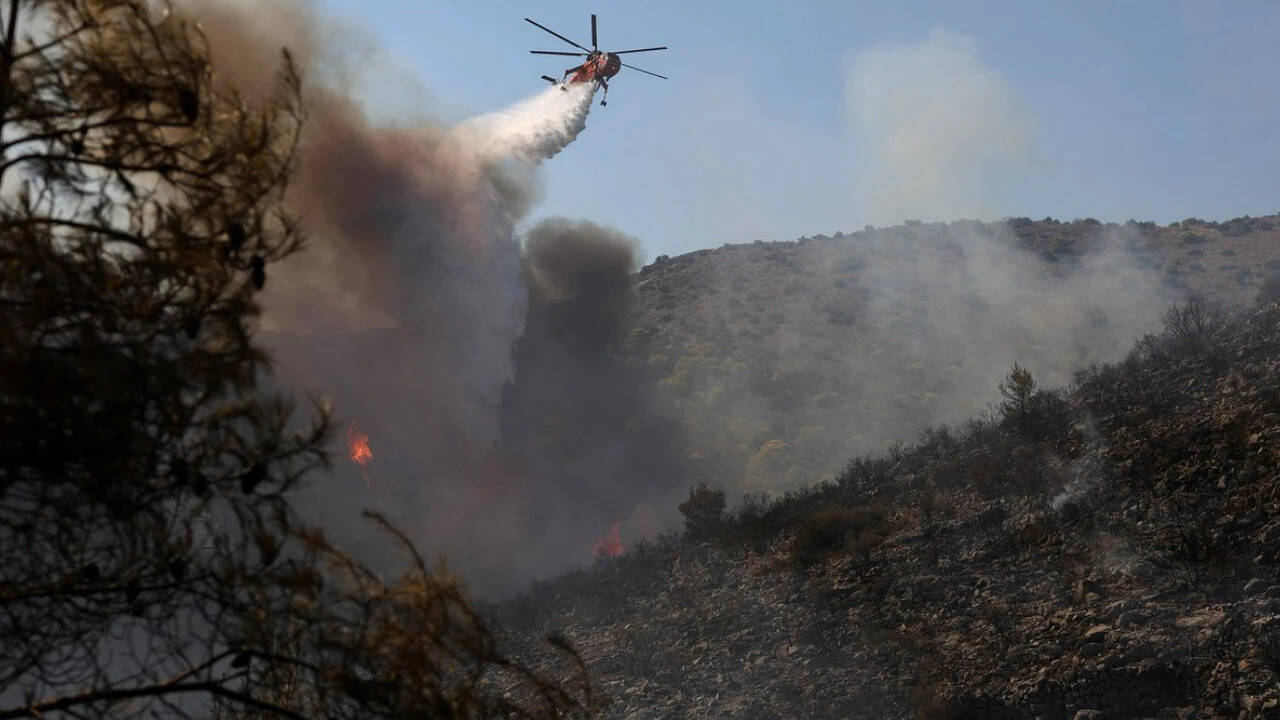
Summer hits the Mediterranean, and the headlines start repeating themselves. Smoke fills the sky, sirens echo through ancient olive groves, and thousands scramble to pack whatever fits in a backpack. Twin blazes tore across a Greek island near Athens recently, claiming two lives and forcing five hundred people to evacuate their homes and hotels. It's a terrifying script we see playing out year after year.
Yet, watching from afar or scrolling through breaking news feeds, most people miss the systemic reality of why these disasters are escalating. They view each fire as an isolated accident rather than a symptom of a shifting climate and vulnerable local geography. If you want to understand how modern wildfires operate in Southern Europe, you have to look past the smoke and examine the dry brush, the intense heatwaves, and the brutal terrain that turns a single spark into an unstoppable wall of flame.
The Reality of Island Geography During Fire Season
Islands present a unique nightmare for emergency responders. When twin blazes erupt close to major metropolitan escapes like the Greek capital, resources split instantly. You have narrow coastal roads, steep hillsides covered in dry pine needles, and high winds pushing embers across valleys before firefighters can even position their trucks.
When authorities issued evacuation orders for five hundred residents and tourists, the logistics were staggering. Ferries, fishing boats, and packed highways became the only lifelines.
Terrain dictates everything in these scenarios. Hot, dry winds sweeping down from the mountains act like a blowtorch. Once a fire catches in a dense, unmanaged forest or scrubland, it feeds on decades of accumulated dry organic matter. Firefighters don't just fight the heat; they fight the math of wind speed, steep slopes, and bone-dry vegetation.
What Most People Get Wrong About Mediterranean Wildfires
The common narrative focuses entirely on arsonists or careless tourists dropping cigarette butts. While human ignition sparks the vast majority of these fires, blaming individual carelessness misses the bigger structural issue.
Our climate has changed. Prolonged droughts mean that vegetation isn't just dry; it's practically cured timber ready to explode at the first touch of a thirty-degree day. When you combine record-breaking summer temperatures with low humidity, the ignition threshold drops to almost zero.
Another massive misconception is that firefighting aviation can solve the problem alone. Canadair planes and helicopters look heroic dropping tons of water from the sky, but they are stopgaps. They buy time. They cool the flanks. They don't put out crown fires roaring through thick brush on a windy afternoon. Ground crews cutting firebreaks and managing forest density do the actual heavy lifting, yet funding and manpower for preventive forestry often lag far behind emergency response budgets.
Protecting Yourself When Travel Plans Meet Natural Disasters
If you're heading to Greece or any Mediterranean destination during peak summer months, you need a mental shift. Hope isn't a strategy. You have to assume extreme weather is a baseline risk, not a rare anomaly.
- Monitor local alert systems: Greece operates a robust civil protection emergency messaging service via text. Keep your phone charged, roaming enabled, and local alert channels pinned.
- Know your evacuation routes: When checking into a hotel or villa, ask the front desk where the designated assembly points are. Never assume emergency staff will knock on every door.
- Pack light and smart: Keep your passport, medication, cash, and essentials in a single grab bag. In a fast-moving wildfire, you won't have ten minutes to pack a suitcase.
- Respect red flag warnings: If local authorities ban movement through forests or national parks due to extreme fire risk, stay out. Ignoring these rules doesn't just endanger your life; it diverts scarce rescue teams away from real emergencies.
Wildfires in places like the Greek islands aren't going away. They are a brutal reminder of how fragile our seasonal routines have become against environmental pressures. Staying informed, respecting the raw power of dry summer terrain, and demanding better preventive land management across Southern Europe are the only ways forward.