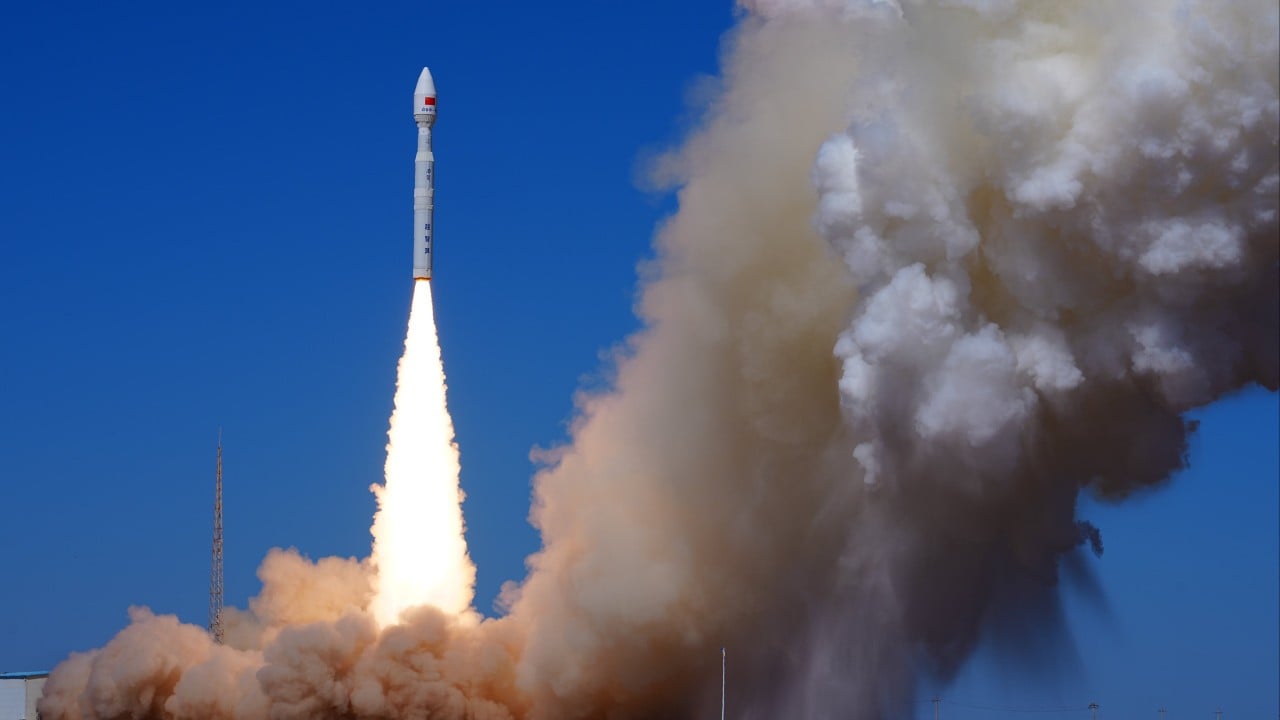
When the first missiles landed near major Gulf tech hubs earlier this year, startup founders didn't panic. They opened spreadsheets. For years, the pitch for building a software empire in Dubai, Abu Dhabi, or Riyadh was simple: tax-free growth, massive sovereign wealth backing, and a strategic bridge between East and West. But a sustained regional conflict changes the math entirely.
When your server infrastructure, data centers, and physical offices sit in the crosshairs of geopolitical friction, "optionality" stops being a corporate buzzword. It becomes survival. That's why regional software startups and artificial intelligence outfits are quietly establishing dual-hub footprints in Hong Kong and Singapore.
Take Paul Bratby, founder of xBratAI. Expansion into Asian markets was already sitting on his roadmap for some point down the line. When the war in the Middle East ground on, that timeline compressed overnight. Setting up a Hong Kong entity wasn't just about chasing new customers; it was about ensuring business continuity when regional airspace gets jittery and logistics face sudden disruptions.
The Cost of Concentration Risk
For a long time, the Gulf enjoyed a reputation as an untouchable oasis of innovation. Billions poured into local accelerators, government-backed funds, and massive data center builds designed to turn the desert into the world's premier computing hub.
Then reality hit. When security risks escalate, venture capital doesn't necessarily vanish from the region completely—investors still write checks, and existing funding rounds finish playing out. What takes a massive hit is trust and operational predictability. Founders realize that keeping every single asset, legal entity, and executive team concentrated in one volatile zone is a massive gamble.
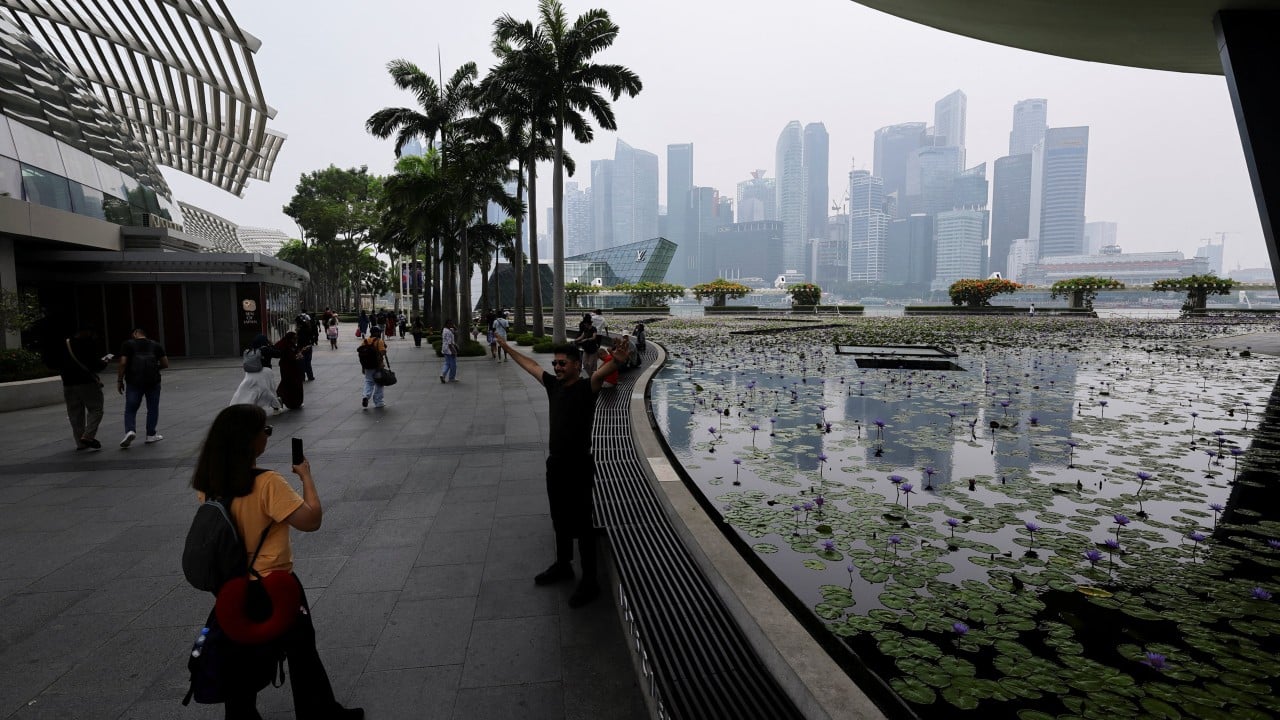
Singapore and Hong Kong offer a very specific insurance policy. Singapore absorbs immense capital inflows from high-net-worth individuals and corporate treasuries looking to diversify away from Middle Eastern exposure. Meanwhile, Hong Kong gives tech firms a direct pipeline into Asian capital markets and robust legal frameworks that feel familiar to companies accustomed to international scale.
Why Singapore and Hong Kong Win the Pivot
It's easy to see why capital flees toward these two specific cities when the Middle East catches a cold.
Singapore has long positioned itself as the Switzerland of Asia. Following the escalation of regional conflict earlier in the year, financial data showed a sharp acceleration in foreign currency deposits and non-resident capital landing in Singaporean accounts. It is stable, highly digitized, and offers predictable regulatory frameworks.
Hong Kong, on the other hand, plays a different card. It acts as an aggressive springboard for software companies wanting deep access to East Asian supply chains, hardware manufacturing, and alternative venture pools. For artificial intelligence and data-heavy tech firms, spreading operations across these jurisdictions means a localized strike or a regional transit shutdown won't take down the entire company.
The New Playbook for Founders
If you are running a tech company in the Middle East right now, sitting tight and hoping for the best is a terrible strategy. The smart operators are building redundancy into their corporate structure before an emergency forces their hand.
This doesn't mean abandoning the Gulf. The local incentives, government support, and local market demand are still far too lucrative to walk away from. Instead, the playbook has evolved into a multi-region model.
- Establish legal entities early: Don't wait for a crisis to spin up a subsidiary in a stable neutral jurisdiction. Open the bank accounts and file the paperwork while things are calm.
- Audit your infrastructure dependency: If your core operations rely on physical servers or regional cloud nodes vulnerable to geopolitical disruptions, build redundancy across international cloud providers.
- Protect executive mobility: Ensure key leadership holds travel documents and multi-jurisdictional clearances that allow them to run operations remotely if regional transport hubs experience sudden closures.
The era of treating the Gulf as a standalone, risk-free bubble is over. Founders who survive the current geoeconomic stress test are the ones treating geography like a diversified portfolio.