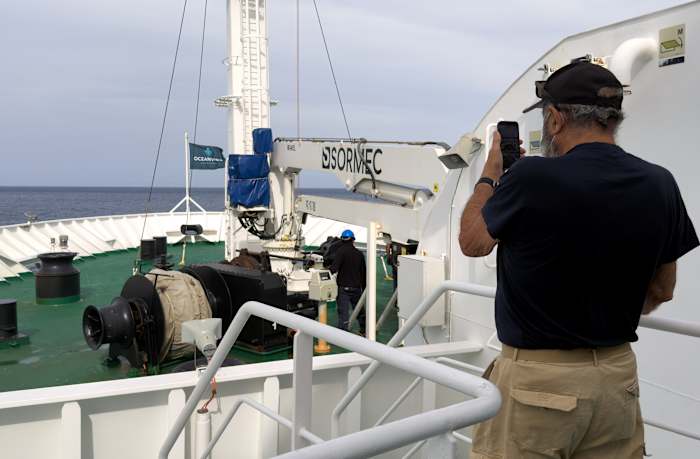
Fear is the most contagious pathogen on that ship.
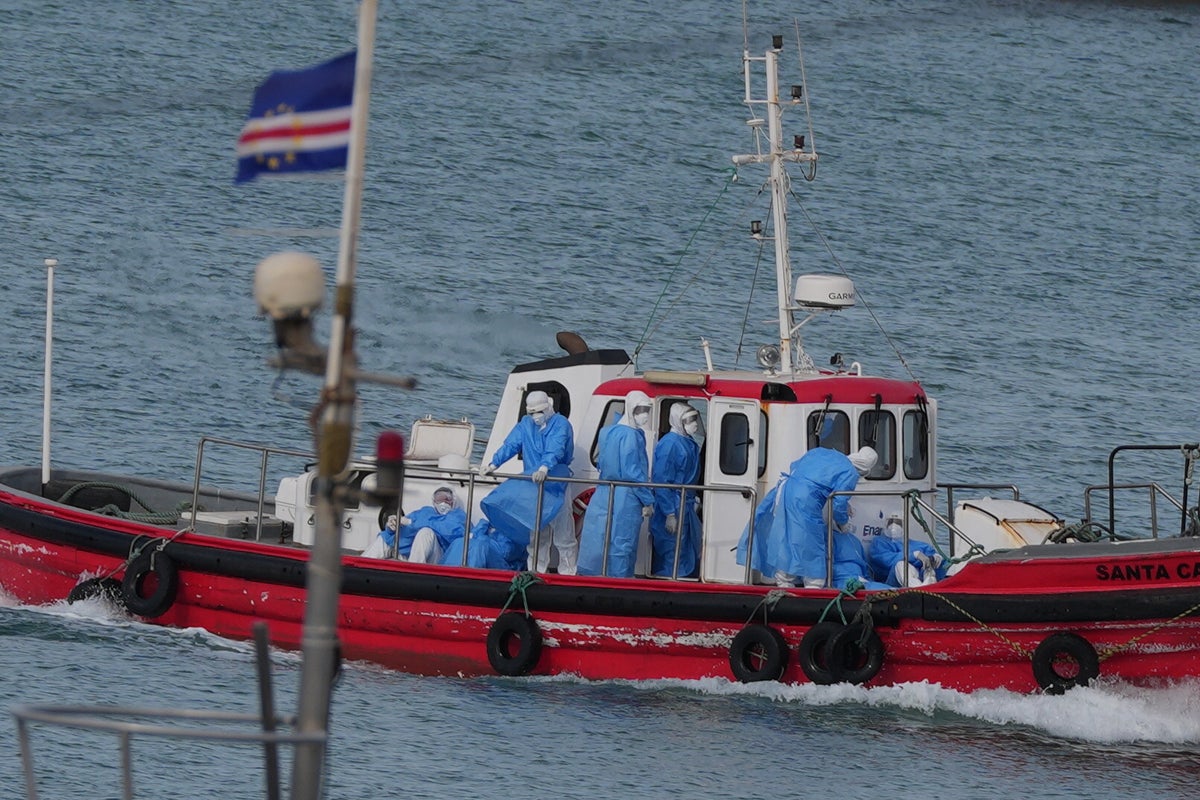
The headlines are screaming about evacuations, rescue planes, and a cruise liner docking in Tenerife like it’s a scene from a bio-hazard thriller. They want you to believe we are on the precipice of a new global outbreak. They want you to visualize a virus leaping from passenger to passenger in the buffet line. For a deeper dive into this area, we recommend: this related article.
They are wrong. Dead wrong.
The "lazy consensus" here is that any virus with a high mortality rate is an immediate candidate for a pandemic. By treating this Hantavirus incident with the same structural response as a respiratory virus, health authorities and the media are demonstrating a profound lack of biological literacy. We are witnessing a massive, expensive overreaction that serves nothing but the optics of "doing something." For broader context on the matter, comprehensive analysis can also be found on World Health Organization.
The Rodent In The Room
Hantaviruses are not the next COVID-19. They aren’t even the next flu.
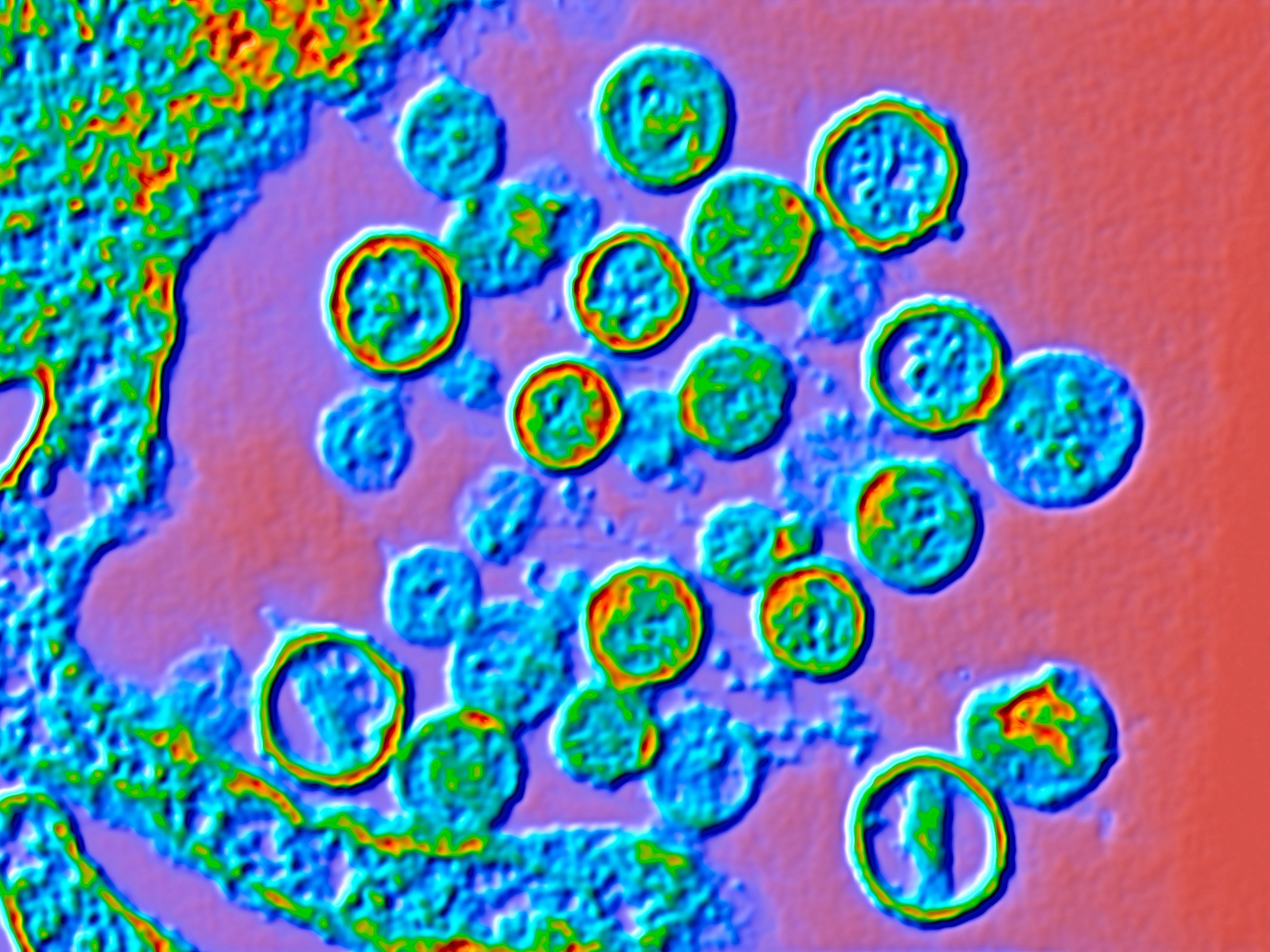
To understand why this evacuation is a theater of the absurd, you have to understand transmission mechanics. Viruses generally play by rules. Hantavirus—specifically the strains that cause Hantavirus Pulmonary Syndrome (HPS)—is primarily a zoonotic disease. It moves from rodents to humans through the aerosolization of dried urine, droppings, or saliva.
Here is the nuance the mainstream reports are ignoring: Human-to-human transmission is statistically non-existent for almost every known strain.
The only notable exception in history is the Andes virus in South America. Even then, it requires intimate, prolonged contact. You do not catch Hantavirus because someone coughed three rows back on a charter flight. You catch it because you inhaled dust in a shed infested with deer mice or rice rats.
If there is Hantavirus on a cruise ship, the problem isn’t the passengers. The problem is a localized infestation in the ship’s dry storage or ventilation crawl spaces. Evacuating the humans doesn't "stop the spread" because the humans weren't spreading it to begin with.
The Evacuation Trap
The UK sending a plane to extract passengers is a political maneuver, not a medical necessity.
Think about the logic:
- If the virus is not transmissible between humans, the passengers are only at risk if they stay near the source (the ship's infested areas).
- Moving them to an airplane—a pressurized tube with recycled air—is the absolute last thing you would do if you actually feared a respiratory-borne pathogen.
- If the authorities actually believe this is a human-transmissible strain, they just violated every rule of quarantine by flying them across international borders.
This is the "Safety Paradox." By trying to look safe, they are either wasting millions of pounds on a non-communicable threat or they are actively endangering the public by moving a high-risk group through transit hubs. You cannot have it both ways.
Stop Asking If It Is Deadly And Start Asking How It Moves
The "People Also Ask" sections of the internet are currently obsessed with the 38% mortality rate of HPS. Yes, it is lethal. So is falling off a skyscraper, but we don't treat every tall building as a public health crisis.
The metric that matters isn't lethality; it's the Basic Reproduction Number, or $R_0$.
For most Hantaviruses, the $R_0$ in a human population is effectively zero. If one person gets it, they infect zero other people. In contrast, during the early stages of a measles outbreak, the $R_0$ can be as high as 18.
By framing this as a "ticking time bomb," the media ignores the biological reality that this virus is a dead-end in humans. It enters our system, causes havoc, and dies with the host. It does not have the "keys" to exit the lungs and jump into the next person efficiently.
The Logistics Of Fear
I have seen government agencies burn through emergency budgets to manage "perception" rather than "pathology."
During my time analyzing bio-security protocols, the pattern is always the same. When a high-consequence pathogen hits the news, the goal shifts from science-based mitigation to political cover. If a minister doesn't send a plane, they are "negligent." If they do send a plane and it turns out to be a false alarm, they are "proactive."
We are subsidizing a performance.
The cruise industry is already reeling from years of "norovirus" stigmas and post-2020 trauma. They will comply with these evacuations because they need to preserve the brand, not because the science demands it.
The Real Threat Is Misdiagnosis
While everyone is looking for Hantavirus, they are missing the broader danger: the collapse of diagnostic nuance.
When we treat every fever on a ship as a potential "global threat," we overwhelm the very systems meant to protect us. The passengers being flown back to the UK will be subjected to rigorous testing, isolation, and psychological stress.
The irony? The symptoms of early Hantavirus infection—fever, muscle aches, fatigue—are identical to a dozen other things you can pick up in a crowded environment. By the time the "evacuation" is complete, the incubation period will likely show that 99% of these people just had a common cold or a mild case of the flu.
But "Flight Sent to Rescue People with Mild Flu" doesn't sell ads.
Brutal Honesty About Cruise Sanitation
If you want to be terrified of something, don't look at the virus. Look at the supply chain.
Cruise ships are floating cities that restock in ports with varying levels of health regulation. If a Hantavirus-positive rodent gets into a pallet of grain or soda cans in a regional port, it doesn't matter how much bleach the crew uses on the lido deck.
The "status quo" fix is to screen passengers for temperatures at the gangway. This is useless. You should be asking about the pest control logs in the loading bays of the port of Santa Cruz.
The Actionable Truth
If you are on a ship and there is a Hantavirus scare:
- Don't panic about your cabin mate. Unless you are swapping significant amounts of bodily fluids with a very specific, rare strain present, they aren't your problem.
- Avoid the vents. If the virus is present, it’s in the dust.
- Question the evacuation. If the government tells you to get on a plane to "escape" a non-transmissible virus, they are managing their career, not your health.
We have reached a point where we prefer the drama of a rescue to the boredom of a biological fact. Hantavirus is a tragic, localized risk for people in specific rural or infested environments. Turning it into a mid-Atlantic naval drama is a disservice to public intelligence.
The ship isn't a plague vessel. It's just a place where some rodents likely met a cargo container. The plane isn't a rescue mission. It's a very expensive PR stunt.
Stop treating every headline like a trailer for a movie. Start looking at the $R_0$.
The math doesn't lie, even when the news does.