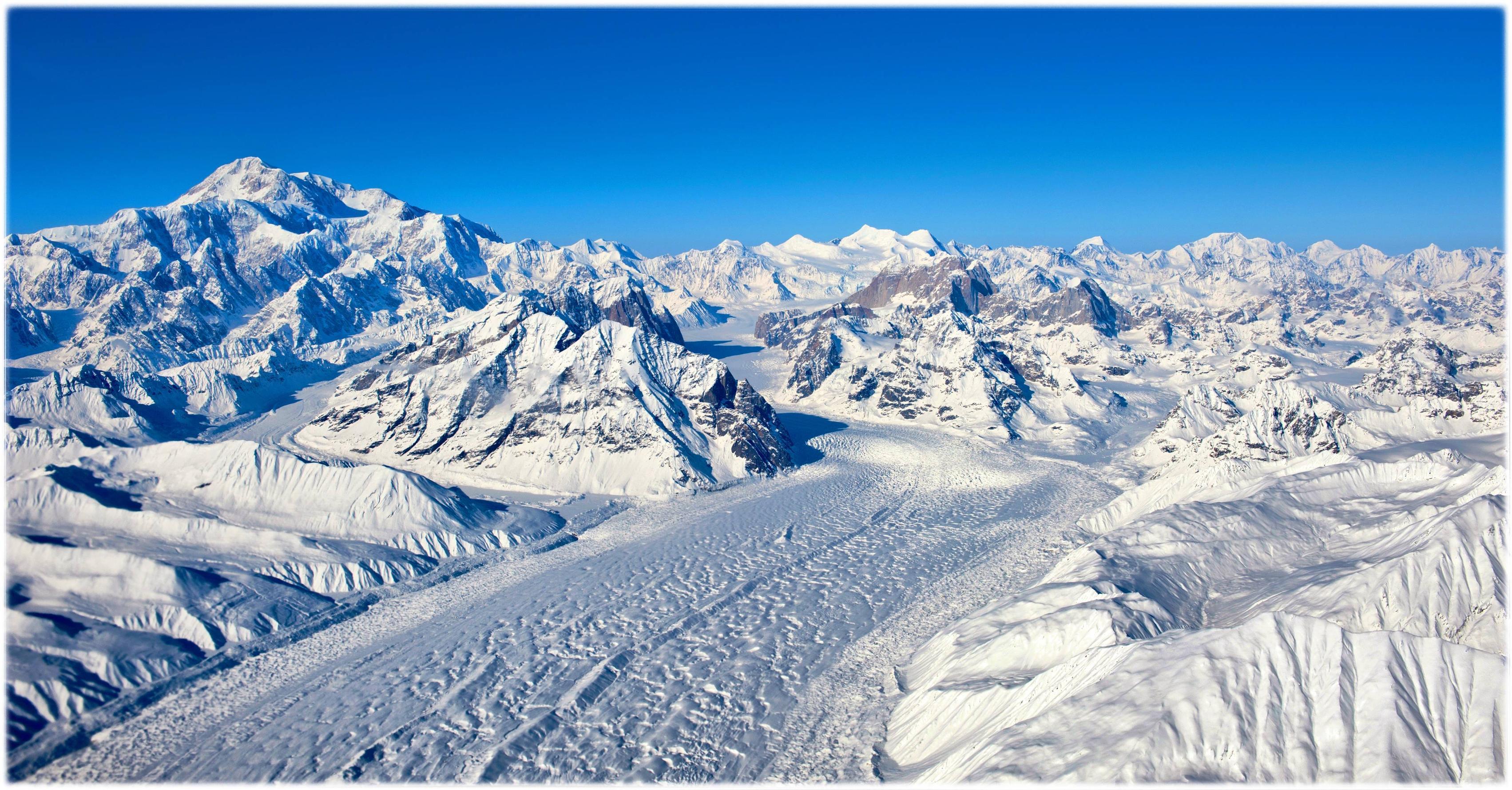
The pristine white peaks of the Himalayas are vanishing, but not just because they're melting. They're changing color. If you've looked at recent satellite imagery or high-altitude photography from the Everest region, you might have noticed strange streaks of crimson and dark green across the snowbanks. It isn't a trick of the light or some weird mineral deposit. It’s alive.
Scientists are sounding the alarm because these "watermelon snow" blooms are a feedback loop from hell. We're seeing a massive surge in psychrophilic algae—organisms that love the cold but thrive when things get just a little bit too warm. When this algae spreads, it darkens the surface of the glacier. Dark colors absorb more sunlight. More heat means more melting, which creates more liquid water for the algae to grow in. It's a self-sustaining cycle that’s eating the Third Pole from the inside out.
I’ve tracked climate shifts for years, and this isn't just an aesthetic change. It’s a biological indicator that the high-altitude ecosystem is hitting a breaking point. We’re way past the "warning" stage.
The Biology Behind the Crimson Peaks
You’ve probably heard of red tides in the ocean. This is the mountain version. The primary culprit is often Chlamydomonas nivalis, a species of green algae that contains a secondary red carotenoid pigment. This pigment acts like a natural sunscreen, protecting the algae from intense high-altitude ultraviolet radiation.
It stays dormant in the ice during the freezing winter months. Once the spring melt starts and a thin film of liquid water forms on the snow's surface, the algae "wakes up" and swims toward the light. It’s a survival masterclass. But for the glacier, it’s a death sentence.
Glaciers have what we call a high albedo effect. Fresh white snow reflects about 80% to 90% of the sun's energy back into space. When the algae turns the snow red or dark green, that reflectivity drops significantly. The snow starts acting like a dark t-shirt on a summer day. It soaks up the heat. Recent data suggests that these blooms can increase melt rates by up to 20% in localized areas.
Why This Matters for Regional Security
The Himalayas aren't just pretty mountains. They’re the water towers of Asia. Over a billion people depend on the Indus, Ganges, and Brahmaputra river systems. If the seasonal melt happens too fast because of biological darkening, we don't just get more water; we get catastrophic flooding followed by decades of drought.
Indian and Chinese researchers have both noted that the "Greening of the Himalayas" is accelerating. It’s not just algae, either. High-altitude shrubs and grasses are moving into territory once held by permanent ice. This shifts the entire hydrologic cycle. When the snow changes color, the timing of the runoff changes. Farmers in the foothills who rely on predictable meltwater for their crops are already seeing the impact. Their calendars don't work anymore.
The geopolitical stakes are massive. Water scarcity in this region isn't a "future" problem. It's a current driver of tension between nuclear-armed neighbors. When the snow turns red, it’s a literal red flag for the stability of South Asia.
The Role of Black Carbon
Algae isn't working alone. It has a partner in crime: black carbon. This is the fine soot produced by wood fires, diesel engines, and industrial plants in the Indo-Gangetic Plain. The wind carries this soot up the slopes, where it settles on the ice.
- Heat Absorption: Like the algae, soot lowers the albedo.
- Nutrient Boost: Some studies suggest the minerals in soot actually fertilize the algae, helping it grow faster.
- Glacial Thinning: The combination creates "cryoconite holes," which are small pockets of melted ice that trap even more heat.
Basically, our industrial output is feeding the very organisms that are destroying the world's highest water reserve.
Misconceptions About High Altitude Greening
People often think that more plants or algae at high altitudes might be a good thing. More oxygen, right? Wrong. In the context of a glacial ecosystem, any "greening" is a sign of instability.
I’ve seen reports trying to downplay this as a "natural cycle." It’s true that red snow has been documented since the time of Aristotle. But the scale and frequency we’re seeing now are unprecedented. We aren't talking about a few patches in a hidden valley. We’re talking about massive blooms visible from space. This isn't a natural rhythm; it’s a fever.
Another myth is that we can just "clean" the glaciers. You can't scrub thousands of square miles of vertical terrain. The solution isn't at the top of the mountain. It's at the bottom.
What Needs to Happen Now
If we want to stop the Himalayas from changing color, we have to address the temperature rise and the air quality simultaneously. This isn't a problem you can solve with a single policy.
- Strict Black Carbon Mitigation: India and Nepal need to aggressively phase out old diesel tech and move toward cleaner cooking fuels for rural populations. Reducing soot is the fastest way to slow the melt because black carbon only stays in the atmosphere for weeks, whereas $CO_{2}$ stays for centuries.
- Transboundary Monitoring: We need a unified Himalayan monitoring system. Right now, data sharing between India, China, and Pakistan is spotty at best due to political friction. The mountains don't care about borders.
- Local Adaptation: Himalayan communities need to build "ice stupas" or artificial glaciers to store water that is now melting too early in the season.
The color of the Himalayas is a mirror of our climate choices. If we keep ignoring the soot and the rising temperatures, the white peaks will become a memory, replaced by a landscape of dark rock and blood-red slush. Check the latest satellite data from the Copernicus program or the ISRO if you want to see the shift yourself. The evidence is staring us in the face. Stop looking at the Himalayas as an immovable wall. It’s a fragile, changing organism that’s telling us it’s in trouble. Listen to it.