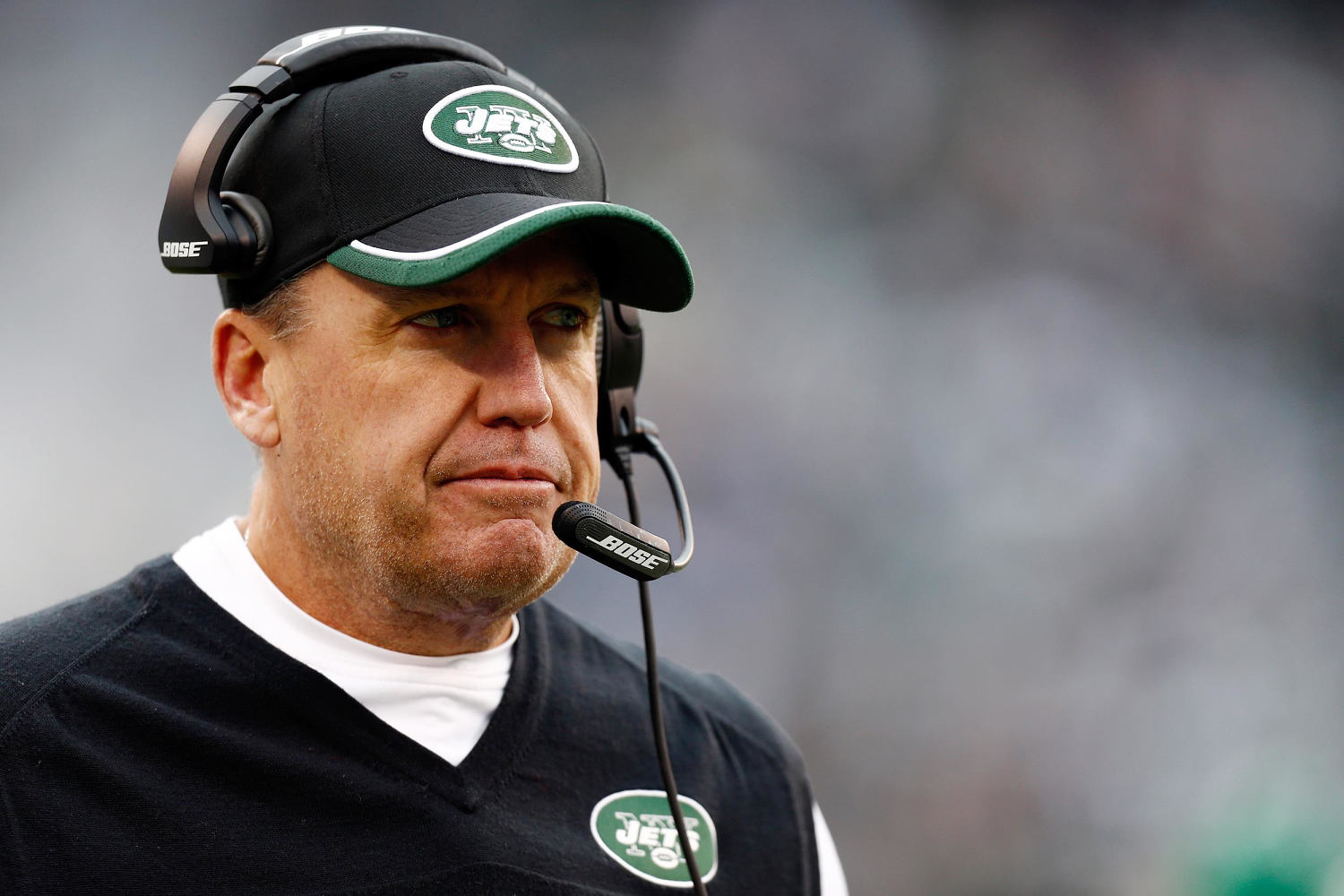
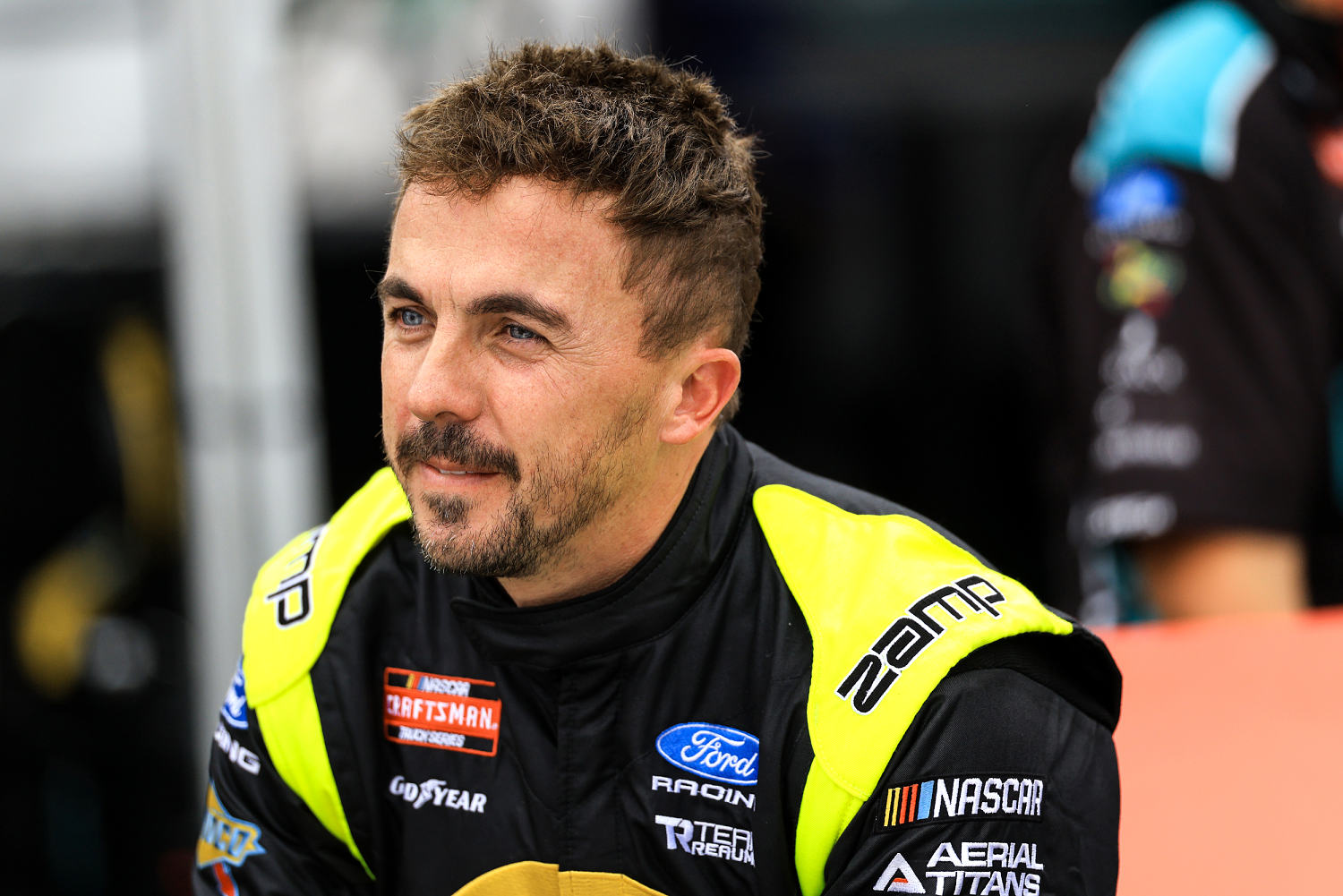
Most baseball fans hear the name Pedro Guerrero and immediately picture the Dominican slugger who mashed 215 home runs across 15 big-league seasons and shared 1981 World Series MVP honors in Los Angeles. That isn't the Pedro Guerrero the Dodgers just brought onto their coaching staff.
Let's clear that up right away. The Los Angeles Dodgers hired former Miami Marlins assistant hitting coach Pedro Guerrero as a new hitting instructor, adding a sharp, analytically fluent voice to their offensive brain trust. If you haven't paid close attention to MLB coaching staffs over the last half-decade, you might have missed his quiet rise through major league dugouts. And honestly, that's exactly how the Dodgers like to operate. They rarely chase splashy celebrity hires for their player development and hitting rooms. They hunt for grinders who speak fluent bilingual clubhouse, understand modern bat-tracking data, and know how to translate dense biomechanical feedback into a single, actionable swing thought before a hitter steps into the box against 99 mph gas.
Guerrero fits that mold to a tee.
Clearing Up The Name Confusion Before We Go Any Further
Every single time Pedro Guerrero appears in a baseball transaction wire, social media lights up with nostalgia. People start posting clips of the 1980s All-Star third baseman and outfielder terrorizing National League pitching at Dodger Stadium.
Different guy entirely.
The newly hired Dodgers hitting instructor is a former minor league infielder who spent eight seasons grinding through the Los Angeles Dodgers farm system from 2006 through 2013. He never got a cup of coffee in the majors as a player. Instead, he spent years taking thousands of cage reps in places like Great Lakes, Chattanooga, and Albuquerque, learning firsthand what separates a prospect who stalls at Double-A from a guy who figures out how to adjust when pitchers stop throwing him fastballs in hitter's counts.
When his playing days wrapped up, Guerrero didn't walk away from the game. He went straight into coaching inside the Dodgers organization, cutting his teeth in the minor leagues before the Philadelphia Phillies scooped him up for their major league staff. From there, he moved on to the Miami Marlins, serving as an assistant hitting coach where he worked daily with a young, raw lineup trying to survive in one of the toughest pitching divisions in baseball.
Bringing him back to Los Angeles isn't some random shot in the dark. It's a homecoming for a coach who already knows the Dodgers' organizational DNA from the inside out.
Why The Dodgers Keep Stacking Hitting Minds
Look at how Los Angeles approaches offensive coaching compared to half the league. Most clubs hire one head hitting coach, tack on an assistant or two, and hope their star players stay healthy. The Dodgers treat hitting instruction like an R&D department combined with a psychological support group.
Under manager Dave Roberts and longtime hitting architects like Robert Van Scoyoc and Aaron Bates, Los Angeles has built one of the most resilient, disciplined offenses in baseball. Even when injuries tear through the roster, guys show up from Triple-A Oklahoma City with the exact same plate discipline, swing decisions, and attack angles as the everyday starters. That consistency doesn't happen by accident. It comes from having multiple voices in the cage who preach the exact same underlying philosophy while delivering the message in completely different ways.
Think about how a major league clubhouse actually works during a 162-game grind. A veteran MVP like Mookie Betts or Freddie Freeman needs totally different feedback than a 23-year-old rookie trying not to drown against big-league sliders. Sometimes a hitter tunes out the primary hitting coach by July simply because he's heard the same voice 100 days in a row. Having a guy like Pedro Guerrero in the tunnel gives players another trusted set of eyes—someone who played in the system, speaks Spanish natively, and spent years in Philadelphia and Miami solving mechanical puzzles under pressure.
What Guerrero Learned In Philadelphia And Miami
You learn a whole lot more about coaching when you don't have a $300 million payroll bailing you out every night.
During his time with the Phillies and later the Marlins, Guerrero worked alongside some of the sharpest hitting minds in the sport while dealing with very different roster realities. In Philadelphia, he was around a powerhouse, veteran-heavy lineup built on slugging and controlling the strike zone. In Miami, the job was almost the exact opposite. The Marlins had to manufacture runs, develop young hitters with high chase rates, and squeeze every ounce of production out of players who didn't have effortless 40-homer power.
Take a look at what Miami's offense had to navigate during Guerrero's tenure there:
- High-velocity division arms: Facing Atlanta, Philadelphia, and New York 39 times a year means seeing elite bullpens almost every single night.
- Pitch-recognition bottlenecks: Several young Marlins hitters arrived in the majors with elite raw exit velocities on paper, yet struggled to lay off breaking balls below the zone.
- In-game adjustments: Without three future Hall of Famers protecting the middle of the order, Miami's staff had to obsess over situational hitting, two-strike approaches, and exploiting subtle pitcher tells.
That kind of environment sharpens a coach's instincts fast. When you're working in Miami, you can't just tell a guy to "hit the ball harder" and call it a day. You have to figure out why his barrel is late on the inner third, why his front hip is flying open against changeups, and how to fix it without cluttering his head during a live game.
The Real Job Of A Modern MLB Hitting Instructor
Fans still picture hitting coaches standing behind a batting cage with a fungo bat, yelling at players to keep their hands back and swing level. That world died a decade ago.
Today, a hitting instructor at the Dodgers' level is part biomechanist, part data translator, and part therapist. Before a player even takes his first dry swing at 2:30 PM, the hitting staff has already combed through Hawk-Eye bat-tracking metrics, swing-plane efficiency charts, pitch-tunneling overlays, and pitcher release-point heat maps.
The catch? Almost none of that raw data helps a hitter when he's standing 60 feet, 6 inches away from a guy throwing a 96 mph sinker with 18 inches of horizontal run.
If you dump a spreadsheet onto a hitter's locker at 4:00 PM, you've already ruined his night. The best hitting instructors—and the reason Guerrero has stayed employed in big-league uniforms across multiple organizations—know how to hide the math inside a simple physical feel. Instead of telling a batter his attack angle dropped by four degrees against elevated four-seamers, a good coach hands him a specific tee drill, tweaks his hand load by half an inch, and lets his body find the adjustment naturally.
Bridging The Gap Between Front Office Data And Cage Work
Los Angeles generates more proprietary hitting data than almost any franchise in baseball. Their front office employs armies of analysts modeling everything from swing-decision value to batted-ball spray optimization.
Yet data without trust is completely useless. Players know when a coach is just parroting a front-office talking point versus when a coach actually understands what it feels like to get jammed on an inside fastball in front of 50,000 people. Because Guerrero spent eight years playing minor league ball in the Dodgers' own system, he carries instant credibility when he steps into the cage. He isn't an outsider reading off an iPad. He's a former infielder who lived the grind, coached through the trenches, and knows how to bridge the gap between what the computers say and what the human body can actually execute.
Where Most People Misread Coaching Hires Like This
Whenever a team hires an assistant hitting coach from a club that struggled offensively, fans immediately panic. They look at Miami's team OPS or run totals, point a finger at the coaching staff, and ask why a perennial World Series contender would want anyone from a losing dugout.
That logic is completely backwards.
Coaching quality doesn't map neatly onto team win-loss records. A brilliant hitting instructor working with a bottom-five payroll and an injury-riddled lineup can do phenomenal developmental work that never shows up in a glossy team leaderboard. Look around Major League Baseball right now and you'll find dozens of top coaches, managers, and coordinators who cut their teeth on rebuilding clubs before landing in powerhouse organizations. In fact, struggling franchises often force coaches to become far more creative teachers because they can't rely on pure talent to paper over mechanical flaws.
The Dodgers' front office evaluates coaches the exact same way they evaluate under-the-radar relief pitchers. They don't look at surface-level ERA or team standings. They look at underlying process, communication skills, player feedback, and how individual hitters progressed under that coach's watch.
What This Hire Signals About Los Angeles Moving Forward
Bringing Pedro Guerrero back into the fold tells you two things about how the Dodgers are thinking right now.
First, they refuse to get complacent with their offensive infrastructure. Even when you have Shohei Ohtani, Mookie Betts, and Freddie Freeman anchoring the top of your lineup, championship windows stay open because of the margins—the seventh, eighth, and ninth hitters, the bench bats, and the young prospects cycling up from the minors. Strengthening the daily teaching bandwidth inside the hitting group keeps those margins sharp.
Second, Los Angeles continues to prioritize continuity and cultural fit. Hiring someone who already spent more than a decade wearing Dodger blue as a player and minor league coach eliminates the awkward six-month adjustment period that sinks so many outside hires. Guerrero knows the terminology, knows the expectations, and knows how the organization builds hitters from rookie ball all the way to Chavez Ravine.
If you want to actually see Guerrero's fingerprint on this Dodgers roster once the season gets rolling, don't bother staring at the MVP candidates at the top of the order. Watch the bottom third of the lineup, the utility infielders, and the rookie call-ups during high-leverage seventh-inning at-bats. Pay attention to whether those hitters spit on borderline sliders out of the hand, how quickly they adjust the second time through the order against an unfamiliar starter, and how often they foul off tough two-strike pitches until they get something they can drive—because that's where a great hitting instructor quietly wins you games in October.