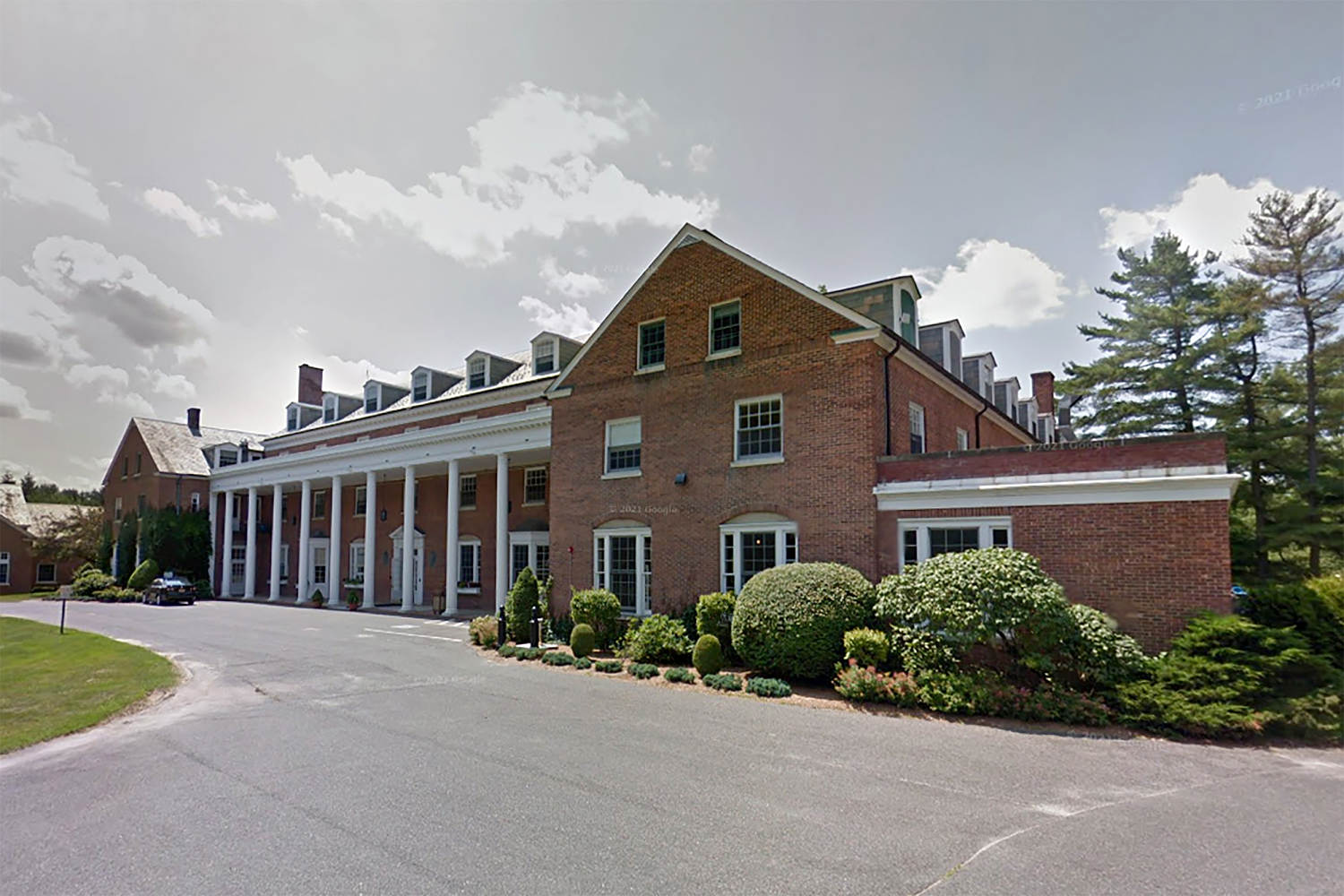
The Berkshires have a specific kind of silence. It is not the absence of sound, but a heavy, velvet layers of history and privilege that muffles the sharp edges of the world. In Pittsfield, Massachusetts, where the manicured lawns of Miss Hall’s School meet the rugged edge of the Appalachian Trail, that silence used to feel like safety. Parents paid for that silence. They bought it with tuition checks and trust, believing that behind the wrought-iron gates, their daughters were being forged into the leaders of tomorrow.
Then the sirens of reality broke the quiet.
When a former teacher stands in a courtroom to face charges of rape and indecent assault and battery, the story is usually told through the lens of a police blotter. We see the name: Michael S. Juras. We see the charges: four counts of rape, three counts of indecent assault and battery on a person over 14. We see the timeline: the late 1990s. But the dry ink of a legal document cannot capture the way a predator moves through the halls of an elite institution. It cannot describe the slow, agonizing erosion of a young woman's sense of self.
The Architecture of a Shadow
To understand how this happens, you have to understand the geography of an boarding school. It is an ecosystem built on the "in loco parentis" doctrine—the idea that the school stands in the place of the parent. Teachers aren't just instructors; they are coaches, mentors, dorm parents, and confidants. They are the sun around which the students’ daily lives orbit.
When that sun turns cold, the world goes dark.
Imagine a classroom where the air feels just a little too heavy. A teacher offers extra help after hours, or perhaps a sympathetic ear for a student struggling with the crushing pressure of high expectations. It starts with a boundary crossed so subtly it feels like a compliment. A lingering hand on a shoulder. A comment that feels more intimate than professional. In the isolated environment of a private school, where the outside world feels miles away, these small transgressions are the seeds of a nightmare.
Michael Juras wasn't just a face in a yearbook. He was a part of the fabric of Miss Hall’s. When he appeared in Central Berkshire District Court recently, he pleaded not guilty. He stood there, decades removed from the alleged crimes, while the women who were once girls in his care carried the weight of those years in every step they took toward the witness stand.
The legal system measures time in statutes of limitations and court dates. Trauma measures time in heartbeats.
The Cost of the Gatekeeper
The institutional response is almost always a predictable dance of legal shielding and PR management. Schools often point to their "current" safety protocols, as if a new set of locks on the doors can retroactively heal the wounds of the past. But for the survivors, the institution itself becomes a character in their tragedy. It is the silent observer that failed to see, or worse, saw and looked away to protect the brand.
Why did it take so long?
That is the question that haunts the hallways of every school facing a legacy of abuse. The answer is often found in the power dynamic of the "gatekeeper." When a teacher is beloved, when they produce results, when they are a "fixture" of the community, they become untouchable. A student’s voice is small against the roar of a celebrated career. To speak up is to risk social suicide, to be labeled a liar, or to be told they simply "misunderstood" a gesture of affection.
In the case of Juras, the allegations date back to the 1990s. Think about what the world was like then. No smartphones. No social media movements to provide a digital chorus of support. A girl in a dormitory in 1998 was on an island. If her predator held the keys to that island, where was she supposed to go?
The Weight of the Gavel
The courtroom is a sterile place. It is designed to strip away emotion in favor of evidence. But when the charges are read—rape, assault, the violation of a child’s sanctuary—the air in the room changes. The defense will talk about the fallibility of memory. They will point to the passage of decades as a reason for doubt.
Memory is a strange thing. It can forget what you had for lunch three days ago, but it never forgets the smell of the room where you lost your innocence. It never forgets the specific tone of a voice that told you this was your secret to keep. The prosecution's task is to weave those sharp, jagged memories into a cord strong enough to hold a man accountable.
Juras was released on personal recognizance with the condition that he have no contact with the victims. He walked out of the courthouse. The women he allegedly harmed, however, do not get to walk away. They carry the "no contact" order in their bones every day.
The Myth of the Safe Haven
We have a desperate need to believe in safe havens. We want to believe that if we pay enough, if we vet enough, if we build high enough walls, we can protect our children from the predators of the world. But the hardest truth to swallow is that the most dangerous predators don't scale the walls.
They are invited through the front gate. They are given a syllabus and a whistle.
This isn't just a story about one man in a Massachusetts courtroom. It is a story about the fragility of trust. When we talk about "Miss Hall’s School," we aren't just talking about a collection of buildings. We are talking about a promise. Every time a teacher is accused of using their position to prey on the vulnerable, that promise is shattered for everyone, not just the victims.
The silence of the Berkshires is different now. It’s thinner. The layers of privilege have been peeled back to reveal a common, ugly human truth: power corrupts, and absolute power over the lives of children corrupts absolutely if there is no one watching the watchmen.
The Long Walk Toward Justice
There is no "closure" in these cases. That is a word invented by people who have never had to survive. There is only a reckoning.
As the legal process moves forward, the focus will remain on Michael Juras and the specific acts he is accused of committing. But the broader narrative is about the courage of the women who refused to let the silence win. They waited decades. They lived lives, perhaps had families of their own, and carried a secret that weighed more than the stones used to build the school’s foundation.
Then, they spoke.
Their voices are the sound of the gates finally swinging open. Not to let a predator in, but to let the truth out. The courtroom lights are harsh, and the process is grueling, but it is the only way to transform the heavy silence of the past into a future where "safe" actually means what it says on the brochure.
The gavel falls, and the echo lingers long after the room is empty. It is a cold, sharp sound. It is the sound of a debt finally coming due.