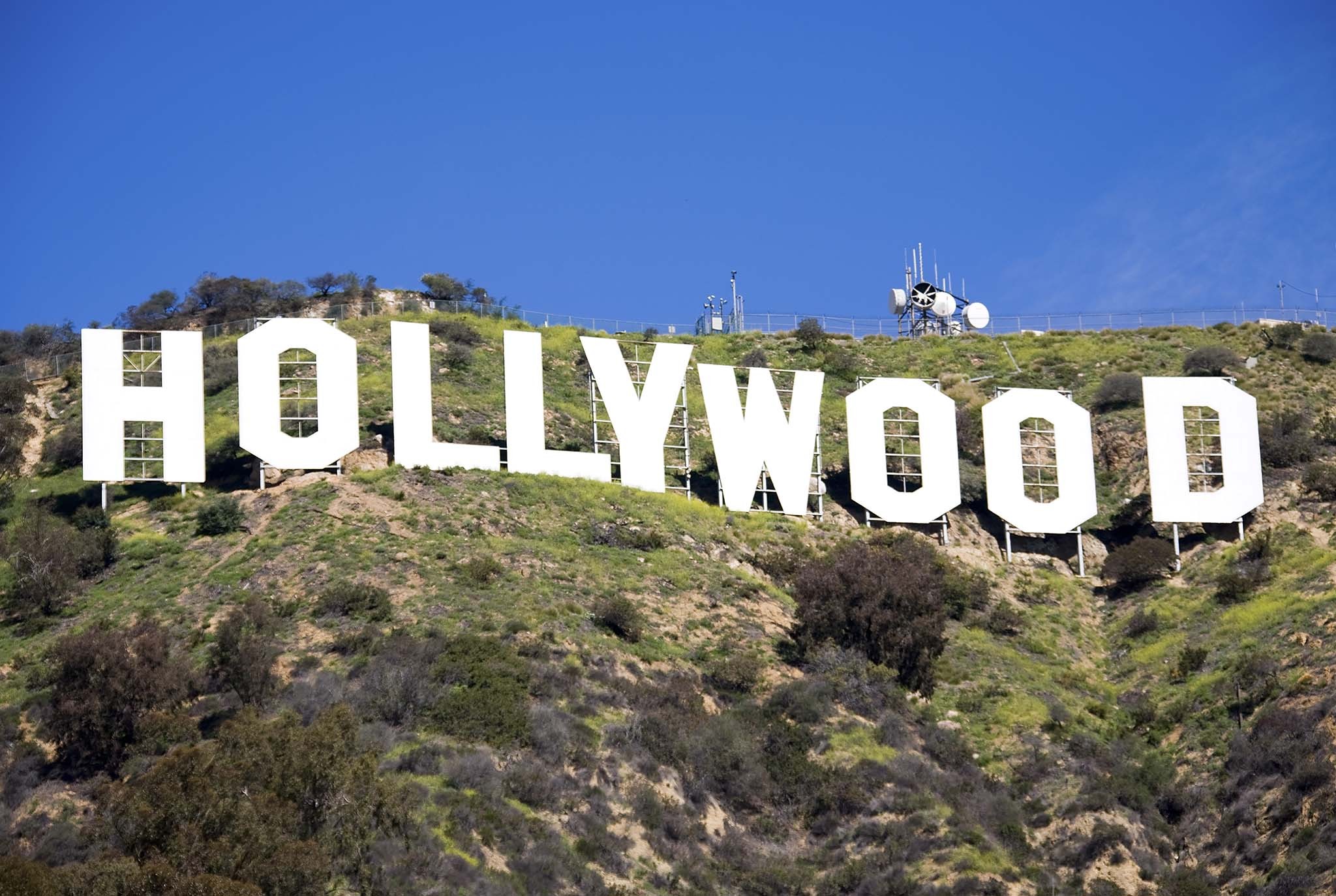
Screenwriters and guild members are staging an aggressive revolt against the proposed media consolidation involving Paramount and Warner Bros because the union of these two corporate giants threatens to drastically reduce available buying power, suppress baseline compensation, and monopolize creative output across Hollywood.
Monopoly economics always trickles down to the individual creator. When two massive media conglomerates merge, the first casualty is not the executive suite or the quarterly earnings report. It is the working creative whose livelihood depends on a competitive open market. Writers, directors, and showrunners are pushing back against the Paramount and Warner Bros consolidation because a single, bloated studio titan means fewer buyers, lower script fees, and rigid corporate uniformity that leaves zero room for original storytelling.
The Shrinking Buyer Pool
For decades, the standard defense of studio consolidation relied on promises of efficiency and market competitiveness. Corporate boardrooms love spreadsheets that show reduced overhead. Writers see those same spreadsheets and understand they represent a shrinking number of doors to knock on.
When independent production entities vanish and legacy studios merge, the marketplace shifts from a healthy ecosystem to an oligopsony. An oligopsony occurs when a small number of buyers exert control over a large number of sellers. In practical terms, television writers and feature film scribes face a grim reality. Instead of pitching a speculative script to five or six distinct buyers with different programming needs, risk appetites, and budgetary tolerances, creators find themselves walking into the same corporate office under a different name.
Fewer buyers destroy pricing power. If a writer has a completed manuscript or a high-concept pilot and only two major conglomerates control ninety percent of distribution channels, those buyers can dictate terms without fear of losing the project to a competitor. Bidding wars disappear. Minimum floor rates become ceilings. Creative independence evaporates beneath the weight of centralized content strategies designed to feed global streaming subscription models rather than cultural demand.
Residuals and the Streaming Black Hole
The anxiety among guild members extends far beyond upfront writing fees. The modern streaming economy already decimated traditional residual structures that once allowed mid-level writers to survive between seasonal gigs. Merging Paramount and Warner Bros accelerates this systemic erosion.
Legacy media companies built their fortunes on syndication and secondary market licensing. A successful television episode generated income for its creators every time it aired in a new territory, syndicated on local television, or packaged for physical media sales. Streaming altered that math fundamentally. By keeping content walled inside proprietary ecosystems, studios pay a fixed buyout and retain infinite exhibition rights.
When conglomerates grow larger through aggressive acquisitions, they gain the balance sheet strength required to keep titles locked away indefinitely for tax write-offs or exclusive platform retention. Writers lose backend participation while corporate entities optimize asset portfolios. The merger creates an internal economy where intellectual property circulates endlessly without generating the external revenue streams that sustain independent creative careers.
The Myth of Operational Efficiency
Proponents of corporate mergers routinely argue that combining operations eliminates redundant functions and optimizes storytelling output. Experience in the entertainment industry proves the exact opposite occurs.
Efficiency in a creative enterprise usually translates to homogenization. When two distinct corporate cultures with massive back-catalogs combine, risk aversion multiplies exponentially. A larger corporation answers to institutional shareholders who demand predictable quarterly returns. Predictability is the absolute enemy of great art.
Consider how previous media mergers altered the creative landscape. Following major corporate acquisitions, greenlight committees grow larger, more cautious, and further removed from ground-level production realities. Mid-budget dramas, quirky comedies, and daring independent features get squeezed out of development slates. Executives prioritize safe intellectual property, predictable sequels, and algorithmic content designed to minimize viewer churn.
Writers understand that a merged Paramount and Warner Bros will not invest more money into diverse, risky storytelling. They will rationalize their combined library, cut development budgets, and lean heavily on established franchises to maintain stock prices. The creative pipeline narrows until only safe, pre-approved concepts survive the corporate gauntlet.
The Collective Response
Resistance from writers is not merely an emotional reaction to corporate bigness. It represents a calculated defense of labor rights in an industry undergoing structural collapse. Guild leadership recognizes that once an oligopoly solidifies its grip on production and distribution, reversing the damage through traditional collective bargaining becomes nearly impossible.
Contract enforcement grows harder when employers possess near-total market dominance. Blacklisting risks increase when a creator speaks out against a company that controls half the available work in town. The revolt currently unfolding across guild halls and writer rooms stems from a clear-eyed assessment of survival stakes.
History shows that creative golden ages happen when market fragmentation forces buyers to take chances on unconventional voices. Consolidation kills that fragmentation stone dead. As regulatory bodies review the merger proposals, the loudest warnings are coming from the people who actually generate the intellectual property that powers these multi-billion-dollar empires. Ignore the corporate press releases about market synergies and global competitiveness. Follow the money, watch the shrinking buyer count, and the fierce resistance from Hollywood creators suddenly makes complete, brutal sense