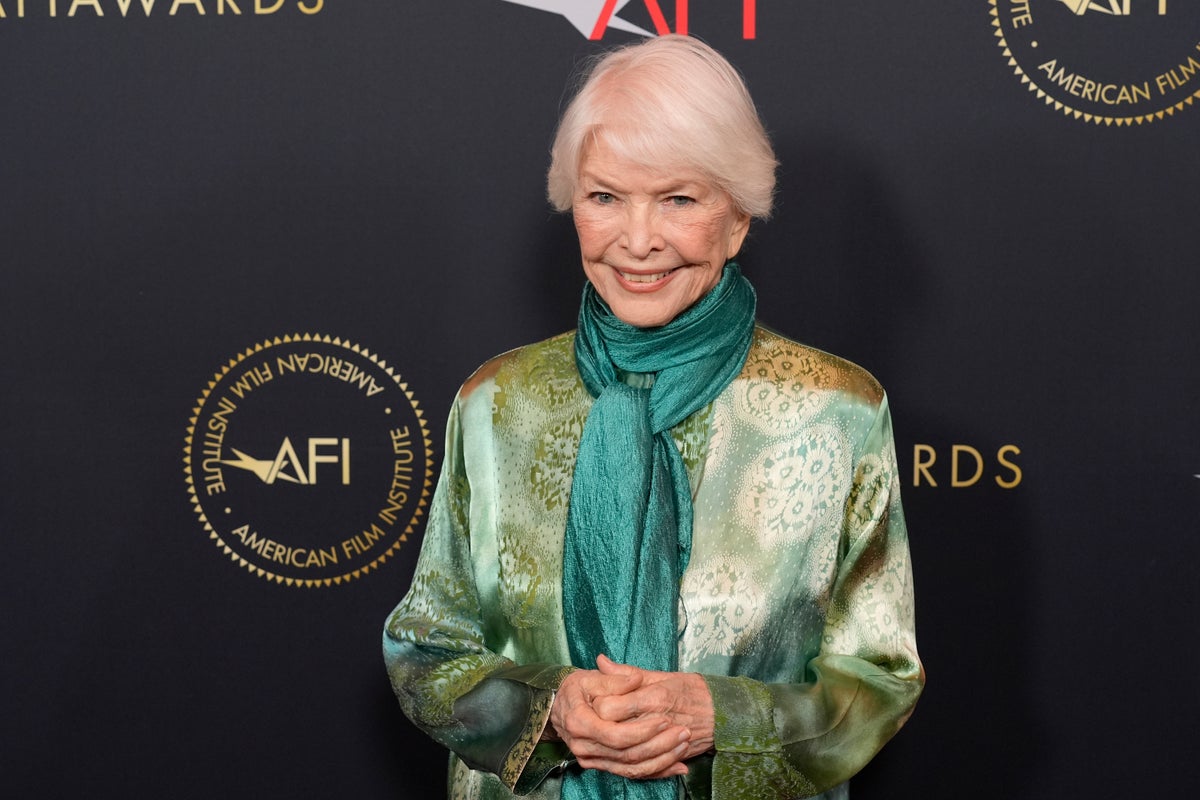
Festivals love a nostalgia lap. They roll out the red carpet, dim the lights, and hand out lifetime achievement trophies to surviving legends so the industry can pretend it honors its elders. Venice played this script to perfection with Ellen Burstyn. The trades ran the predictable headlines about her reflecting on a lifetime in movies and playing Marilyn Monroe, painting a cozy picture of a grand dame looking back at a golden age with quiet grace.
It is a sanitized fiction. For an alternative look, check out: this related article.
The lazy consensus treats Burstyn as a survivor of a bygone era, an anomaly who managed to squeeze through a narrow window before the studio machine chewed up its actors. That framing misses the actual danger of her career. Burstyn did not just survive Hollywood; she waged a decades-long war against its foundational mechanics. When she refused to play the helpless ingenue, when she demanded creative control, when she co-founded the Actors Studio West to train performers to think like artists rather than meat, she was not participating in the system. She was actively trying to break it.
Celebrating her longevity while ignoring her militancy is a convenient trick. It lets the current entertainment complex applaud her resilience while continuing the exact same predatory practices she spent fifty years fighting. Similar reporting regarding this has been provided by The New York Times.
The Myth of the Golden Age
Every time a veteran actor sits down at a festival, the press corps slips into historical revisionism. The narrative suggests that past decades offered a purer, more actor-centric creative environment where auteurs reigned supreme and studios cared about craft.
Look at the record.
When Burstyn was doing her defining work in the 1970s—nailing the ferocious, desperate realism of Alice Doesn't Live Here Anymore or anchoring the psychological terror of The Exorcist—the studio boardrooms were just as ruthless as they are today, driven by balance sheets rather than art. The difference was that the gatekeepers hid their machinery behind velvet curtains. Today, the algorithm just displays the math in real time.
Burstyn understood this immediately. She did not wait for permission to challenge the status quo. She fought Martin Scorsese on set to ensure Alice had real agency, refusing to let the character dissolve into a stereotypical victim of circumstance. That was not sweet reflection. That was combat. When interviewers focus on what it felt like to orbit the myth of Marilyn Monroe, they sidestep the brutal reality Burstyn faced: Hollywood has always demanded that women choose between being a consumable icon or an invisible non-person. Burstyn carved out a third option by becoming completely ungovernable.
The Cost of Professional Independence
Let us talk about what it actually takes to maintain integrity in this business, because the glossy profiles leave out the wreckage. I have watched producers flush millions of dollars down the drain trying to tame unruly talent, and I have seen studios blacklist brilliant minds for the crime of having an opinion on the script.
Independence is not a brand philosophy. It is a financial penalty.
When Burstyn fought for creative control or took risks on uncompromising indie directors before Sundance was a corporate trade show, she paid for it in lost roles and delayed projects. The industry punishes autonomy. It prefers compliant assets. Yet the current conversation around veteran actors frames their success as a natural byproduct of talent, as if the system simply opened its arms to welcome greatness.
That is false. Greatness is a threat to a risk-averse commercial enterprise.
Think about her role in The Exorcist. William Friedkin's set was a psychological hazard zone, a pressure cooker designed to extract genuine trauma on film. Burstyn walked away from that shoot with a permanent spinal injury because she refused to fake the physical violence of the possession scenes. The studio got an iconic horror classic. She got chronic physical pain. That dynamic—where the artist absorbs the physical and emotional cost while the institution reaps the cultural capital and box office returns—remains the baseline operating model of the business.
Dismantling the Festival Circuit Ritual
Why do we accept the Venice interview format? Because it serves as an emotional pacifier for an industry that has outsourced its conscience to streaming data metrics.
When a festival honors an icon, it creates a temporary illusion of heritage. It suggests that contemporary conglomerates share DNA with the risk-takers of the seventies. They do not. Modern media companies are risk-mitigation portfolios disguised as entertainment outlets. If an actor tried to pull half of Burstyn's creative rebellions on a franchise shoot today, they would be hit with an NDA, replaced by a digital double, and quietly sued into bankruptcy before post-production wrapped.
The press wants you to believe that aging in Hollywood is a journey of quiet grace. It is not. It is an ongoing survival test against an apparatus that wants you to age out of relevance the second your demographic value dips. Burstyn remains relevant not because Hollywood granted her a graceful third act, but because she refused to stop making institutional gatekeepers uncomfortable.
Stop looking at these retrospectives as warm celebrations of cinema history. They are smoke screens.
If you want to honor what Ellen Burstyn actually represents, stop praising her ability to endure a broken system. Start dismantling the system that required her to fight for every single inch of her artistic sovereignty.
The credits are rolling. Put down the popcorn and fix the set.