When the Hong Kong Trade Development Council (HKTDC) bumped its full-year 2026 export growth forecast to a striking 42 to 47 percent, a lot of casual observers shrugged it off as typical bureaucratic optimism. They missed the plot entirely. This massive upward revision isn't some arbitrary statistical adjustment. It's the direct result of a relentless global scramble for artificial intelligence hardware that keeps accelerating faster than supply chains can handle.
If you look past the macro headlines, you realize Hong Kong sits right at the choke point of the world's most critical high-tech trade corridors. When data centers from Virginia to Frankfurt need millions of specialized chips, high-end memory modules, and telecommunications gear, someone has to route, finance, and move that freight. Hong Kong is doing precisely that, and the financial returns are rewriting local economic ledgers.
The Hardware Backbone Behind the Numbers
Everyone loves talking about software models and chat interfaces, but physical infrastructure powers the entire AI revolution. Semiconductor demand didn't just inch upward; it exploded. Advanced electronics, specialized computer components, and high-density server racks represent the bulk of this export surge.
According to data compiled by HKTDC research director Bruce Pang and his team, traditional sectors like clothing and jewelry are holding steady, but technology products are pulling the heavy freight. Exports bound for the United States surged by over 63 percent during the first eight months of the year alone, proving that geopolitical friction takes a back seat when enterprise buyers desperately need computing power to stay competitive.
You cannot train large language models or run heavy neural networks on good intentions. You need silicon. And because Hong Kong acts as a vital re-export and financial hub connecting mainland manufacturing powerhouses with global markets, trade volumes reflect every single shift in server farm construction budgets worldwide.
Decoding the Resilience of Modern Supply Chains
Skeptics love predicting supply chain collapses at the slightest hint of trade turbulence. Yet, the numbers coming out of East Asia tell a different story of adaptation. Regional suppliers built hyper-efficient networks that route high-value electronic components through Hong Kong with minimal friction.
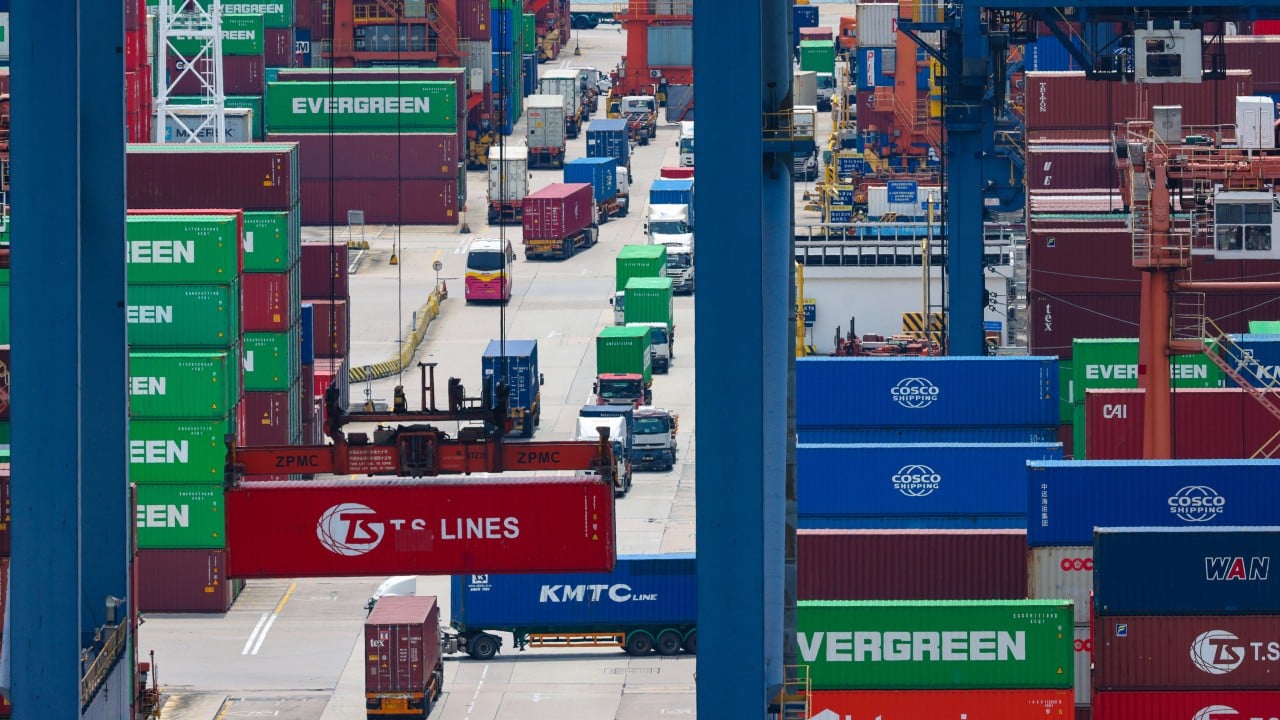
What makes this trade cycle unique is the sheer unit value of what's moving through the port. We aren't shipping plastic toys or seasonal apparel in bulk cargo holds. We're moving wafers, specialized processors, and precision optical gear where a single pallet can be worth millions of dollars. This high-value concentration explains why overall economic indicators look so robust even when consumer spending feels sluggish at home.
When you dig into the quarterly trade data, the velocity of these shipments stands out. Manufacturers aren't warehousing inventory; components move straight from assembly lines onto flights and container ships because enterprise tech buyers are placing orders on aggressive timelines.
What This Means for Global Tech Markets
This trade spike serves as a real-time barometer for corporate technology spending. If Hong Kong's export metrics shoot up by nearly 50 percent, it means enterprise capital expenditures on server upgrades and data center expansions are still running white-hot.
Companies aren't cutting back on AI budgets; they're doubling down, treating compute capacity as an existential operational requirement rather than an experimental line item. As long as global hyperscalers continue pouring capital into machine learning infrastructure, trade hubs tied into the electronics supply chain will capture the windfall.
Keep an eye on component lead times and air freight rates over the coming quarters. They remain the truest indicators of whether manufacturing capacity can finally catch up to an insatiable global appetite for intelligent hardware.