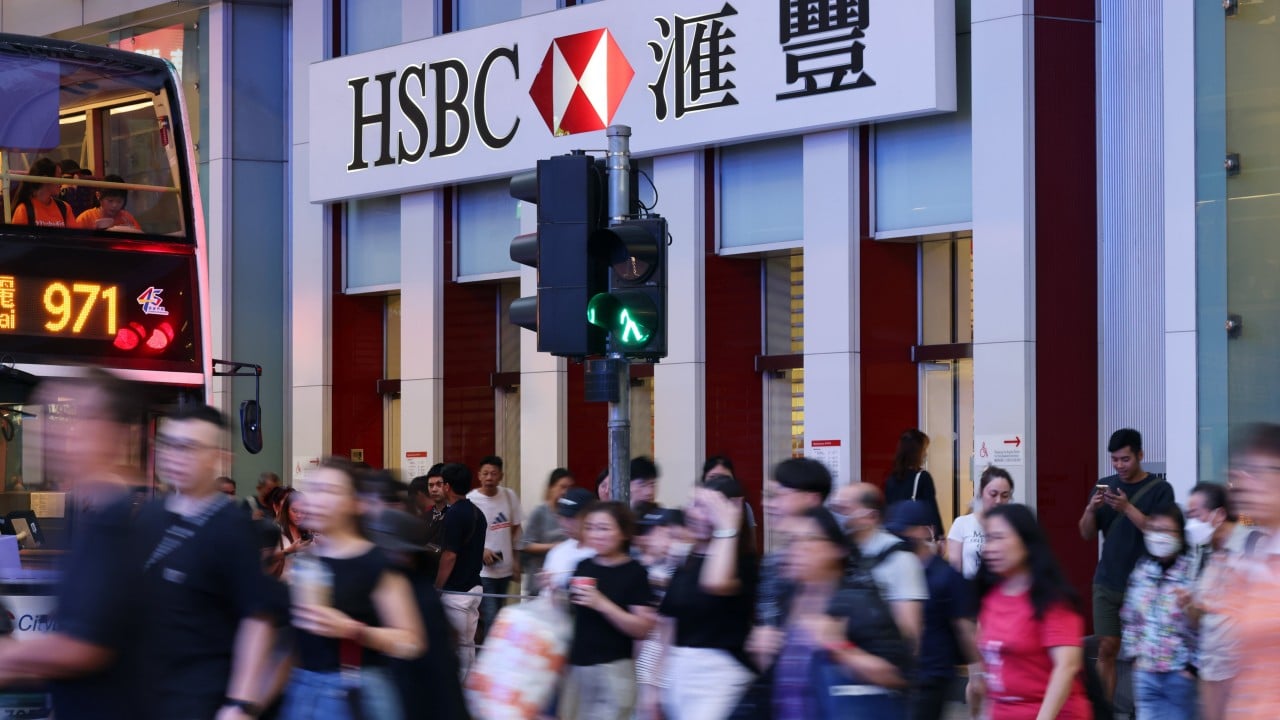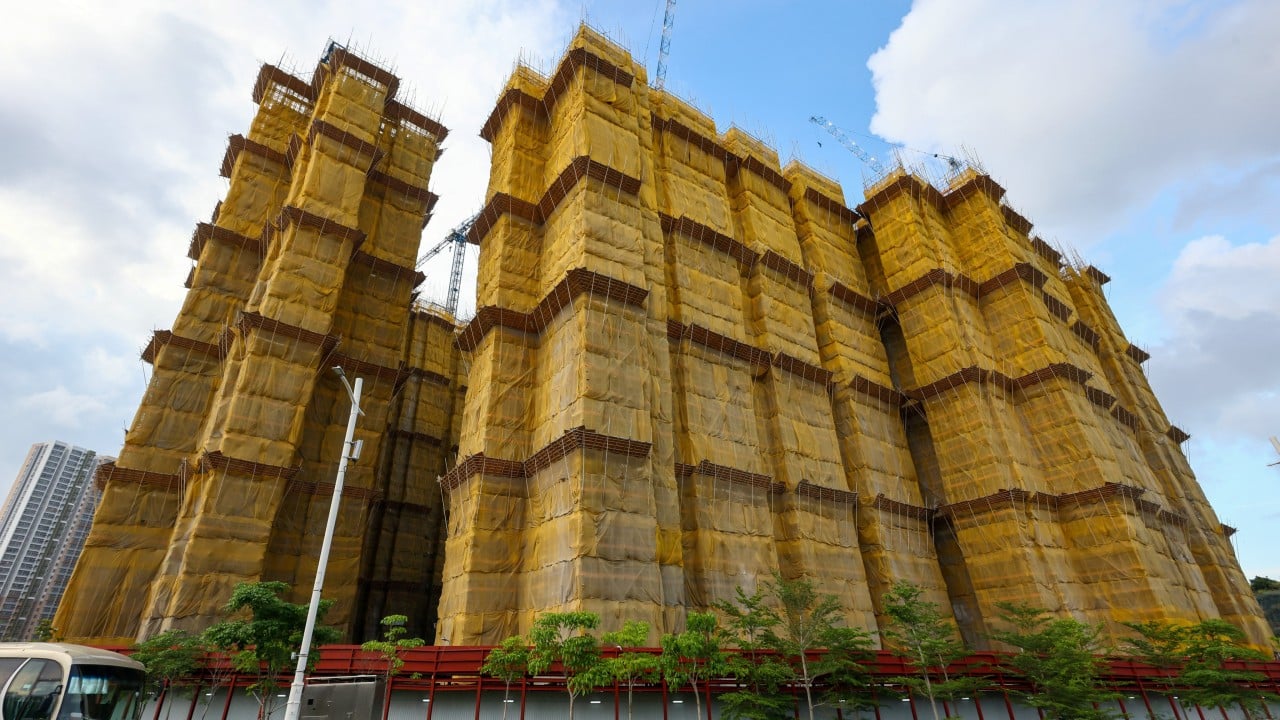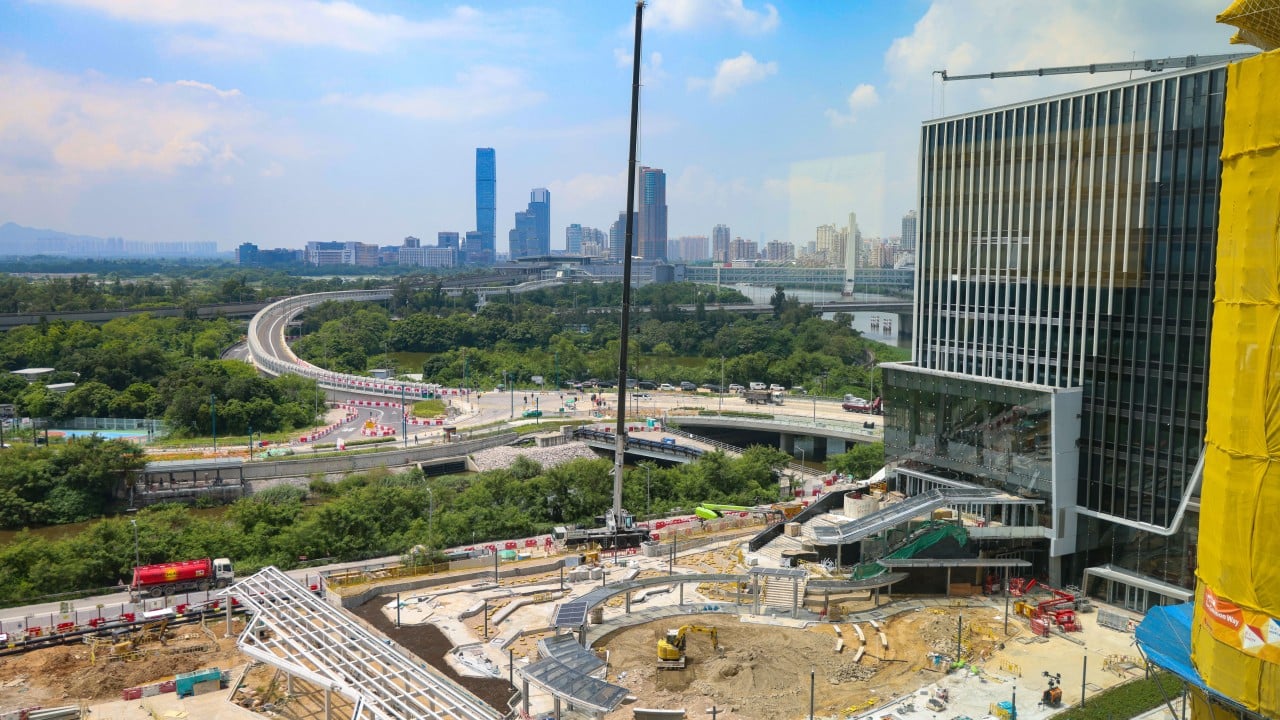
Hong Kong property markets have weathered a turbulent multi-year correction, yet officials are pushing full steam ahead on the massive Northern Metropolis initiative. When development chiefs recently stepped up to dismiss warnings that an influx of new commercial floor space will crash an already fragile office sector, skeptics raised valid eyebrows. After all, traditional business districts like Central and Kowloon East are still grappling with shifting vacancy rates and changing corporate footprints.
If you look at the raw projections, the anxiety makes total sense. The Northern Metropolis is designed to be an entirely new engine for economic growth, spanning thousands of hectares near the Shenzhen border and intended to house millions while generating hundreds of thousands of jobs. That blueprint includes massive commercial zones, tech hubs, and business parks. Critics argue that dropping millions of square feet of fresh office inventory into a market already struggling with soft demand spells disaster for commercial landlords. For another look, consider: this related article.
The government’s counterargument relies on a structural pivot rather than a cyclical recovery. Officials maintain that the commercial space being built up north isn't meant to compete with traditional core business districts. Instead, it targets innovation, technology, and modern research and development enterprises that require specific campus-style infrastructure. You cannot easily house a wet lab or a hardware prototyping startup inside a high-rise tower in Central. The demand profiles are fundamentally different.
Still, commercial real estate developers aren't entirely convinced. Financing large-scale infrastructure in the current macroeconomic climate requires a delicate touch. Land tender appetites have fluctuated, and private developers are calculating their risk exposure very carefully. When a development chief waves away fears of oversupply by pointing to long-term economic integration with the Greater Bay Area, it glosses over the painful short-term absorption gap. Who fills these spaces between the time construction wraps up and the regional tech ecosystem fully matures? Similar coverage on the subject has been published by MarketWatch.
The reality on the ground points toward a fragmented market split. Prime commercial addresses in core locations are finding their footing as financial institutions and wealth management hubs upgrade to premium stock. Meanwhile, decentralized business districts face an uphill battle to retain tenants. Introducing another massive wave of supply in the New Territories risks cannibalizing demand from existing secondary commercial hubs rather than creating entirely net-new corporate tenants out of thin air.
Addressing this structural supply mismatch requires more than optimistic government projections. Flexibility will dictate whether the Northern Metropolis becomes a thriving innovation corridor or a sprawling collection of half-empty office blocks. Authorities must stay agile, ready to adjust commercial land allocations into residential or mixed-use spaces if commercial uptake lags behind construction milestones. Ignoring market hesitation won't make it disappear, but smart, phased delivery just might save the project from its own scale.