The fluorescent lights of the maternity ward flicker just enough to remind you that time is passing, even when the clock seems stuck at 3:14 AM.
Outside, the distant hum of traffic on the interstate carries the frantic energy of a country perpetually rushing toward tomorrow. Inside, the sound is entirely different. It is the rhythmic, rasping breath of a newborn who has existed outside the womb for less than an hour. A mother counts tiny, translucent fingers. A father presses his forehead against the sterile plastic of the bassinet, laughing through a sudden, overwhelming wave of tears. Building on this theme, you can also read: The Pentagon Accountability Void Behind the Deadly Iran Wedding Strike.
In that quiet intersection of exhaustion and wonder, a legal miracle occurs without a single signature on a legislative bill.
The baby takes a breath. The baby becomes an American. Experts at TIME have provided expertise on this situation.
For generations, this has been the bedrock promise of the soil. The Fourteenth Amendment, ratified in the wake of a shattered nation trying to stitch itself back together, laid down a simple, radical rule: if you are born here, you belong here. No asterisks. No pedigree checks. No anxious inquiries about the tax bracket or passport status of the people who brought you into the world.
Yet, every few years, powerful men in wood-paneled rooms decide that this promise is negotiable.
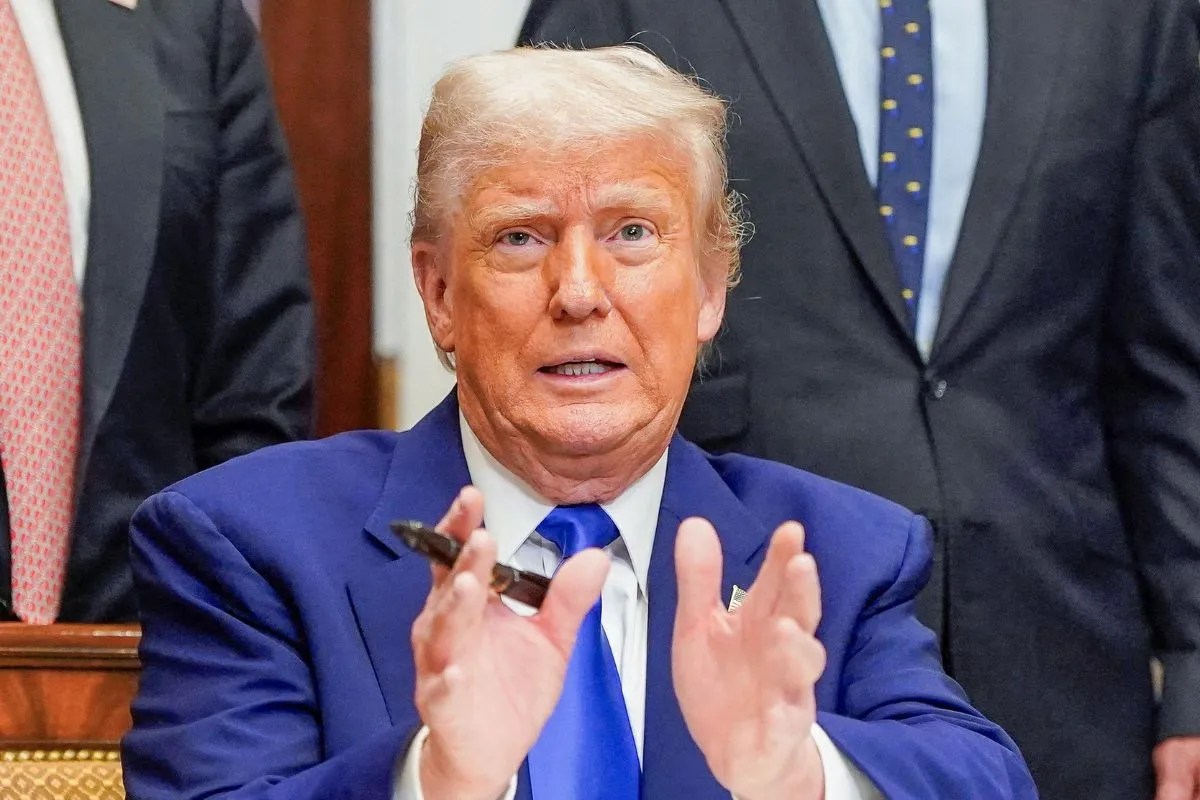
Consider the friction of a decree signed by Donald Trump during his presidency, an ambitious political maneuver designed to slam the brakes on birthright citizenship for the children of undocumented immigrants. The plan was clear: redraw the boundaries of belonging by executive fiat. Build a legal wall around the delivery room.
Courts blocked it. Appeals rolled in like slow-moving thunder. Legal scholars argued over nineteenth-century legislative intent while families held their breath, wondering if the ground beneath their cradles was about to turn to quicksand.
The judiciary recently reaffirmed what the constitution has whispered for over a century. The babies born in those fluorescent-lit rooms remain citizens. The executive order was struck down. The courts held the line.
But legal victories on paper rarely translate to peace of mind in the kitchen.
I remember sitting across a formica table from a friend who watched the headlines with a cold knot in her stomach. Her daughter was born in a Chicago hospital while political pundits on cable news debated whether that child had a right to call America home.
"How do you explain to a seven-year-old that her country is arguing over whether she's allowed to stay?" she asked me, stirring a cup of tea until the liquid nearly spilled over the rim.
I didn't have an answer then. I barely have one now.
Because statistics never quite capture the raw, human cost of these political tug-of-war games. We talk about the Fourteenth Amendment as if it were an abstract painting hanging in a museum of jurisprudence. We treat the Supreme Court dockets as distant sports scores. But the reality is visceral. It lives in the pulse of millions of families who navigate the tightrope of legal uncertainty every single day.
Birthright citizenship, known formally to legal historians as jus soli—the right of the soil—is an ancient concept rooted in the idea that allegiance and geography are intertwined. If you grow up under our sun, breathe our air, and eat our wheat, you are part of the civic experiment.
Critics call it a loophole. They argue that it incentivizes unlawful migration, creating a generation of anchor babies designed to pull entire extended families into the legal system. They look at the map and see a vulnerability.
Supporters, on the other hand, look at the same map and see an engine of grace.
America has never been an ethnic nation. You cannot trace your lineage back to an ancient tribe that originated in the valleys of Manhattan or the plains of Kansas. We are an idea stitched together with paper and ink, fueled by the relentless arrival of strangers who decided to bet everything on a dream. Birthright citizenship is the mechanical heart of that assimilation machine. It tells the newcomer: Your past belongs to the old world, but your child’s future belongs entirely to us.
When courts strike down attempts to dismantle that principle, they are not just protecting a legal clause. They are preserving the narrative continuity of a nation that has always relied on fresh blood to renew its faded institutions.
Think about the alternative for a moment.
Imagine a system where every maternity ward requires a bureaucratic audit. Nurses checking visa stamps instead of checking vital signs. Pediatricians filing immigration paperwork alongside birth certificates. A hereditary caste system quietly taking root in the delivery room, where children inherit the legal sins or administrative limbo of their parents before they even learn how to smile.
It sounds dystopian. Yet, it is precisely what the architects of birthright restrictionism are selling. They want a tiered society where belonging is earned through ancestral paperwork rather than the simple, democratic lottery of geography.
The recent judicial pushback against these executive overreaches proved that the architecture of the Constitution is sturdier than temporary political whims. Judges looked at the text, looked at the history, and recognized an obvious truth: you cannot rewrite the foundational compact of a nation with the stroke of a partisan pen.
And yet, the relief is bittersweet.
Every time a court ruling protects birthright citizenship, it buys time, but it doesn't quiet the underlying anxiety. The parents in those delivery rooms still wonder if the rules will change tomorrow. They still calculate the risk of stepping out into the daylight. They still teach their children how to make themselves invisible in spaces where they have every legal right to stand tall.
The law protects them. The culture is still catching up.
We tend to forget that nations are living organisms. They are built out of millions of tiny, unrecorded moments of human vulnerability. A mother crying in a hospital gown. A father whispering a name that bridges two different worlds. A child taking a first breath in a room paid for with money earned from grueling, invisible labor.
That child doesn't care about legal briefs or circuit court opinions. They care about the warmth of the blanket and the steady, protective arms holding them close.
The courts have spoken. The children born here remain citizens.
The hospital lights will flicker again tonight. Somewhere in the dark, a new American is crying out, entirely unaware of the heavy legal machinery that just fought to secure their place in the world. And out on the street, the traffic will keep moving, carrying the country forward into its complicated, messy, endlessly debated future.
The ground holds. For now, at least, the soil keeps its promise.