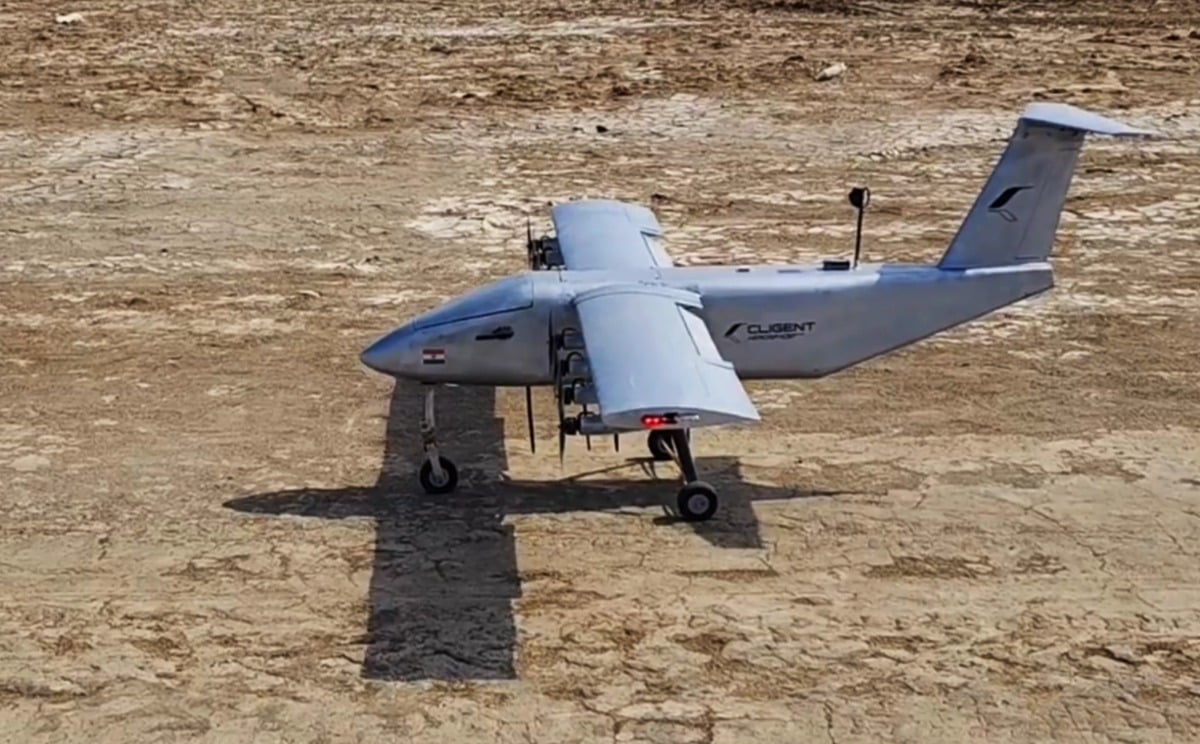
The tech press is fawning over yet another green aviation announcement. This time, an Indian startup claims it is solving regional connectivity and carbon emissions in one swoop by building a hybrid-electric plane. They promise cheaper tickets, zero runway requirements for traditional airports, and a massive reduction in jet fuel consumption.
It sounds beautiful on a pitch deck. It is also an engineering and economic fantasy.
The industry has fallen into a lazy consensus that sticking a battery pack into a turboprop is a sensible stepping stone to zero-emission flight. It is not. It is a compounding weight penalty that ignores basic physics and the brutal realities of airline operating margins.
The Weight Math That Capital Liftoff Ignores
Let’s dismantle the foundational premise of hybrid aviation: the idea that you can combine the energy density of fossil fuels with the efficiency of electric motors.
When a standard regional aircraft like an ATR 72 burns fuel, it gets lighter. By the time it lands, it has shed up to 20% of its takeoff weight. This means it burns less fuel per mile as the flight progresses, reducing structural stress during landing.
Batteries do not lose weight when they discharge. A dead battery weighs exactly the same as a fully charged one.
When you build a hybrid-electric aircraft, you are forcing the airframe to carry around hundreds of kilograms of dead weight for the entire duration of the flight. To offset this, you have to shrink the passenger cabin or reduce cargo capacity. In an industry where a 2% shift in load factor determines whether a route is profitable or bankrupt, cutting seats to carry lithium-ion cells is financial suicide.
I have spent years analyzing fleet procurement strategies. Every single time an OEM tries to compromise on powerplants, the economics collapse. The energy density of the best lithium-ion cells available sits around 250 to 300 Wh/kg. Jet fuel delivers roughly 12,000 Wh/kg. Even when you account for the superior efficiency of an electric motor, the math is not even in the same zip code.
Dismantling the People Also Ask Mythos
If you search for regional aviation bottlenecks online, you see the same naive questions repeated by tech optimists who think software rules apply to hardware.
Can hybrid-electric planes solve India’s regional connectivity problem?
No. India’s regional connectivity blueprint, UDAN, failed to scale because of high airport operating costs, maintenance overheads, and razor-thin margins—not because turboprops lack innovation. Adding an entirely new, uncertified propulsion architecture increases maintenance costs exponentially. Airlines do not want custom powertrains that require specialized technicians at remote Tier-3 airports. They want standardized, easily swappable parts.
Will hybrid planes make flights cheaper?
The opposite will happen. The capital expenditure required to certify a new aerospace powertrain through regulators like the DGCA or FAA runs into hundreds of millions of dollars. Startups amortize these costs across early production runs, meaning the initial aircraft will be wildly expensive. Factor in the reality that aviation battery packs require replacement every few thousand cycles due to degradation from fast-charging cycles, and your operating costs skyrocket past standard kerosene burning.
The Grid Infrastructure Mirage
Even if we pretend the airframe physics make sense, the operational bottleneck on the ground makes the entire exercise pointless.
To make a regional hybrid aircraft viable, it needs to turn around at the gate in 30 minutes or less. To charge a megawatt-scale battery pack in that timeframe requires charging infrastructure that does not exist. We are not talking about a Tesla Supercharger; we are talking about multi-megawatt grid connections at remote, rural airports that frequently experience brownouts.
Imagine a scenario where three hybrid aircraft land simultaneously at a regional hub like Shimla or Salem. The peak power draw required to charge them simultaneously would collapse the local municipal substation.
Are cash-strapped regional airports going to invest millions in dedicated energy storage banks and substation upgrades just to service a handful of experimental aircraft? Absolutely not. The startup will be forced to rely entirely on its gas turbine on the return leg, transforming their "eco-friendly" aircraft into a heavy, inefficient, underpowered traditional plane running on pure fossil fuel.
The Only Path That Makes Sense
If you want to decarbonize aviation, you do not redesign the propulsion system to accommodate inferior energy storage. You replace the fuel.
Sustainable Aviation Fuel (SAF) and synthetic e-fuels are drop-in solutions. They work with existing LEAP and Pratt & Whitney engines. They do not require rewriting FAA certification guidelines. They use the pipelines, trucks, and airport infrastructure already paid for by global taxpayers.
The real innovation happening right now isn't in battery-tethered regional planes; it is in the scaling of second-generation biofuels and direct air capture synthesis. That is where smart capital is moving. Everything else is a marketing distraction designed to capture ESG grants from uncritical government agencies.
Stop looking at hybrid planes as the bridge to cleaner skies. They are an engineering dead end that solves a marketing problem while worsening the physics of flight.
Build better fuel synthesis plants, or accept the emissions footprint of standard turboprops. Those are the choices. Everything else is just noise.