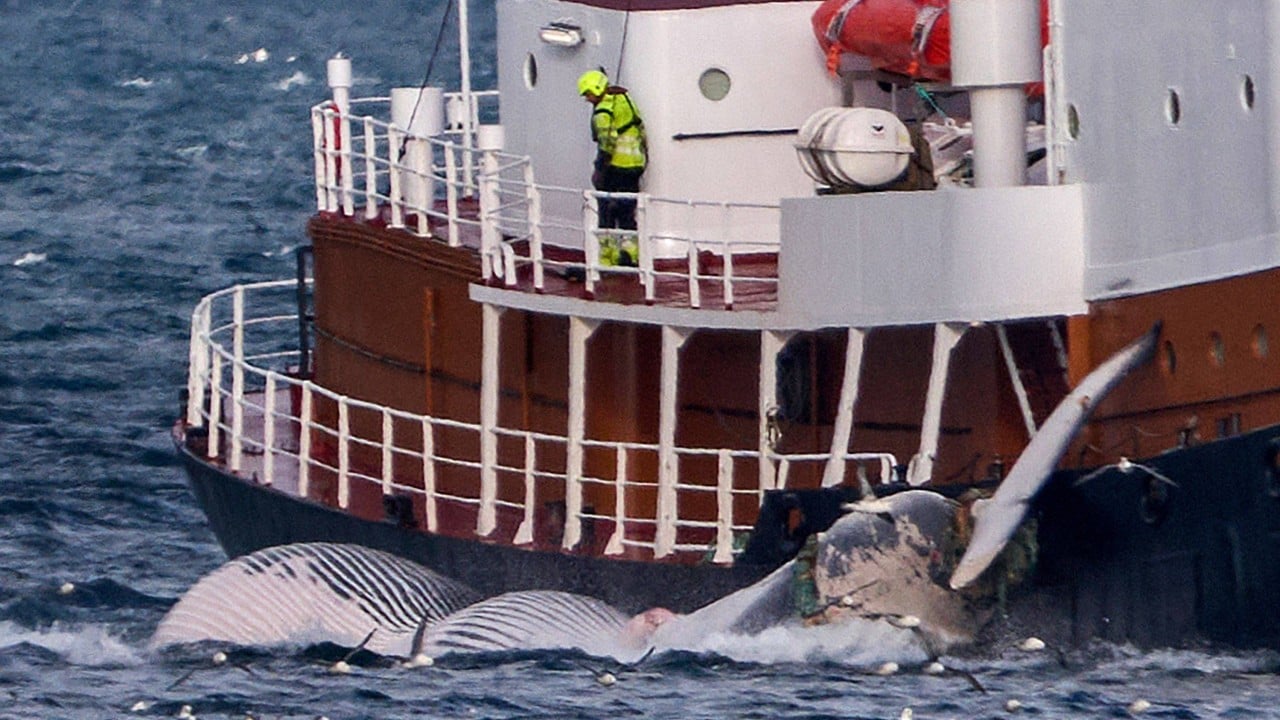
Commercial whaling is shrinking into a lonely corner of the global map. Iceland’s move toward a permanent statutory ban on whaling threatens to dismantle one of the last remaining pillars supporting the practice. When Reykjavik tables its permanent legislative ban in February 2027, the international pro-whaling bloc will shrink to just two nations: Norway and Japan.
For Tokyo, which left the International Whaling Commission (IWC) in 2019 to resume commercial whaling in its own exclusive economic zone, this shift carries heavy diplomatic and economic weight. Japan stands increasingly isolated on the world stage, defending an industry with dwindling domestic consumption and collapsing economic incentives. Recently making waves lately: Stop Pretending Insanity Verdicts Protect Anyone Why Our Legal System Is Failing Parents.
The Economic Reality Check Behind the Harpoons
Let's look at the numbers. The narrative that commercial whaling drives national economic growth doesn't hold up under scrutiny. In Iceland, the industry has long relied on a single dominant operator, Hvalur hf., exporting almost exclusively to Japan. Meanwhile, domestic demand for whale meat inside Iceland has dropped to near zero.
At the same time, ecotourism exploded. Whale watching tours in Faxaflói bay and across Icelandic coastal waters generate far more stable, long-term revenue than the volatile export market for fin whale products ever did. When an economy makes tens of millions of dollars from tourists snapping photos of minke and humpback whales, killing them starts to look like terrible business. Additional information into this topic are explored by TIME.
Japan faces a similar domestic contradiction. Whale meat consumption peaked decades ago in the post-war era when alternative proteins were scarce. Today, it accounts for a tiny fraction of the nation's dietary intake. Supermarket chains rarely stock it, younger generations show zero interest in buying it, and the industry survives largely through state-backed subsidies and institutional inertia.
Diplomatic Isolation and the Cost of Defending an Outdated Tradition
When countries cluster together in international forums, they provide diplomatic cover for one another. For years, Iceland, Norway, and Japan formed a loose coalition that could push back against international conservation pressures at the IWC. They shared criticism, coordinated arguments about sustainable marine harvesting, and absorbed global pushback as a collective.
With Iceland stepping away, that political buffer dissolves. Norway focuses primarily on its domestic minke whale hunt within its own coastal waters, rarely exporting on the scale Iceland once did. That leaves Japan carrying the primary burden of international scrutiny alone.
Environmental groups, international legal experts, and trade partners focus their advocacy campaigns squarely on Tokyo. The pressure isn't just about animal welfare anymore; it's about international legal frameworks, biodiversity goals, and reputational risk on the global stage.
The Shift Toward Ocean Conservation
The global consensus on marine management has shifted from extraction to preservation. Modern ocean policy emphasizes blue carbon, marine protected areas, and high-seas biodiversity treaties. In this context, maintaining commercial whaling operations looks increasingly out of step with contemporary environmental standards.
Iceland's political pivot proves that traditions can change when economic realities shift and public pressure mounts. As the 2027 legislative vote approaches, Tokyo's lonely defense of commercial whaling becomes harder to justify both economically and diplomatically. The harpoons are rusting, the markets are drying up, and the rest of the world has already moved on.