The room in Doha is always cold.
Air conditioning hums against the desert heat, maintaining an artificial chill that mirrors the climate of the negotiations inside. On the table sit bottles of mineral water, untouched, reflecting the fluorescent lights. Across from each other are empty chairs. Building on this topic, you can find more in: Why the US Strike in Northern Iran is a Strategic Failure in the Making.
Donald Trump recently announced to the world that the chairs would soon be filled. He claimed that Tehran had requested a meeting, practically begging to sit down. He promised a breakthrough, a resumption of the fragile framework meant to halt a war that has already cost too many lives.
But in Tehran, the answer was delivered with the freezing clarity of a winter morning in the Alborz mountains. Analysts at BBC News have provided expertise on this trend.
No.
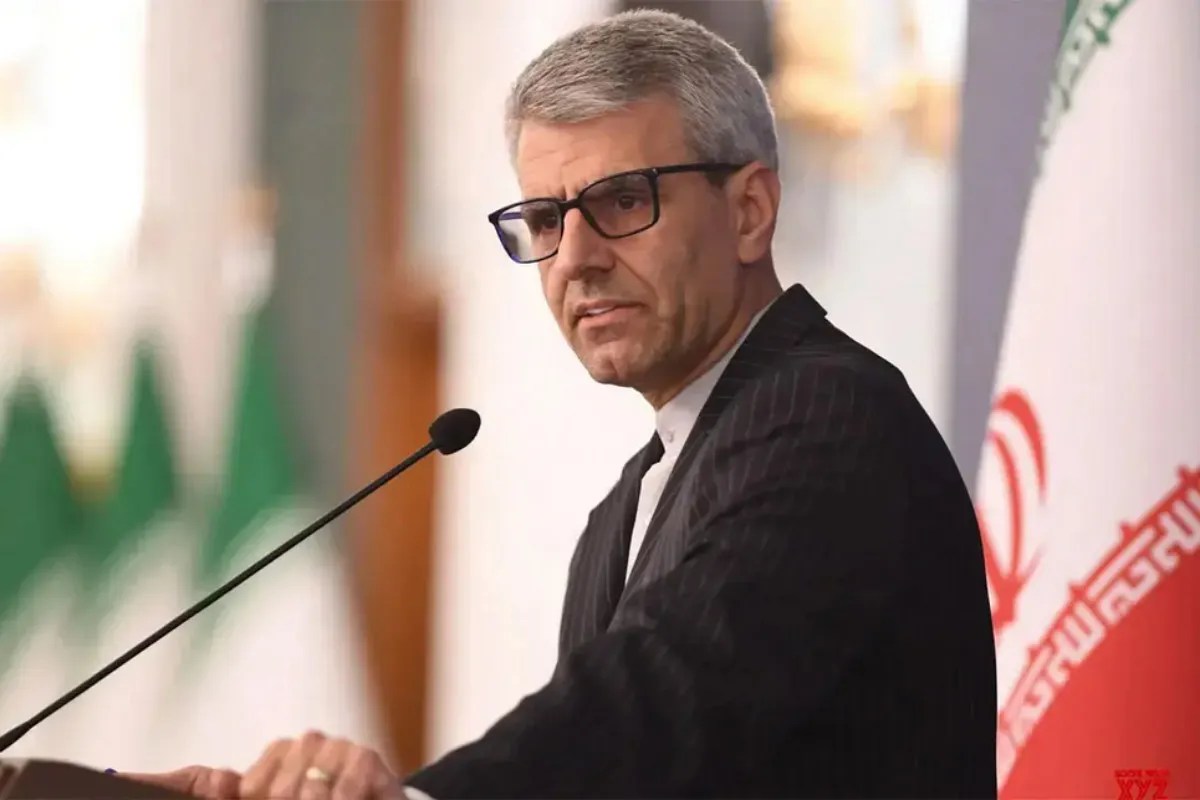
There is no meeting. There is no plan to talk. The Iranian Foreign Ministry, speaking through spokesperson Esmaeil Baghaei, shut the door with a quiet, deliberate click. They have technical teams traveling to Qatar, yes, but only to chase down $6 billion in frozen assets. They will not look the Americans in the eye.
To understand why a nation under siege would refuse to pull up a chair, you have to look past the press releases. You have to look at what happens when the cameras turn off.
Consider a family in Mashhad. For them, the high-stakes geopolitical chess of the Strait of Hormuz is not an abstraction. It is the sound of railway tracks twisting under the heat of an American missile. When the US struck those bridges, it didn't just disrupt logistics. It cut the artery connecting the south of the country to its spiritual heart.
Now, look at the cleric. Alireza Arafi, a man whose words carry the heavy weight of theological and political authority, stands before his seminary. He looks out at a class of young men and tells them that hunger, broken bridges, and darkened power grids are no excuse to compromise with "infidels."
"Officials must not retreat," he warns.
This is the invisible wall blocking the path to Doha.
On one side, a US president who views diplomacy as a series of reality television cliffhangers, announcing meetings on social media to project dominance. On the other, a wounded, hardened leadership that believes talking under the threat of targeted infrastructure strikes is not negotiation—it is surrender.
The cost of this pride is measured in bread.
In the markets of Tehran, the rial behaves like a stone dropped from a high cliff. Parents count their bills twice, then three times, realizing the currency in their hands buys half of what it did a month ago. They are living the war. They feel it in the cold radiators of their apartments and the empty shelves of their local grocers.
Yet, the official line remains unbroken. If the memorandum of understanding signed in June yields no actual benefits—if the money remains frozen and the bombs keep falling—then Iran has no reason to play along.
Negotiating is a luxury of the secure.
When your oil hubs are smoking and your people are burying their dead, a invitation to talk feels less like an olive branch and more like a noose.
So the chairs in Doha remain empty. The mineral water sits, slowly warming to room temperature. The diplomats stay in their respective capitals, drafting statements that explain why peace is impossible today, even as the shadow of tomorrow's airstrikes grows longer.
The green felt of the negotiation table is supposed to represent a neutral ground where enemies become partners. But right now, it is just a stage for a play that neither side is willing to perform.