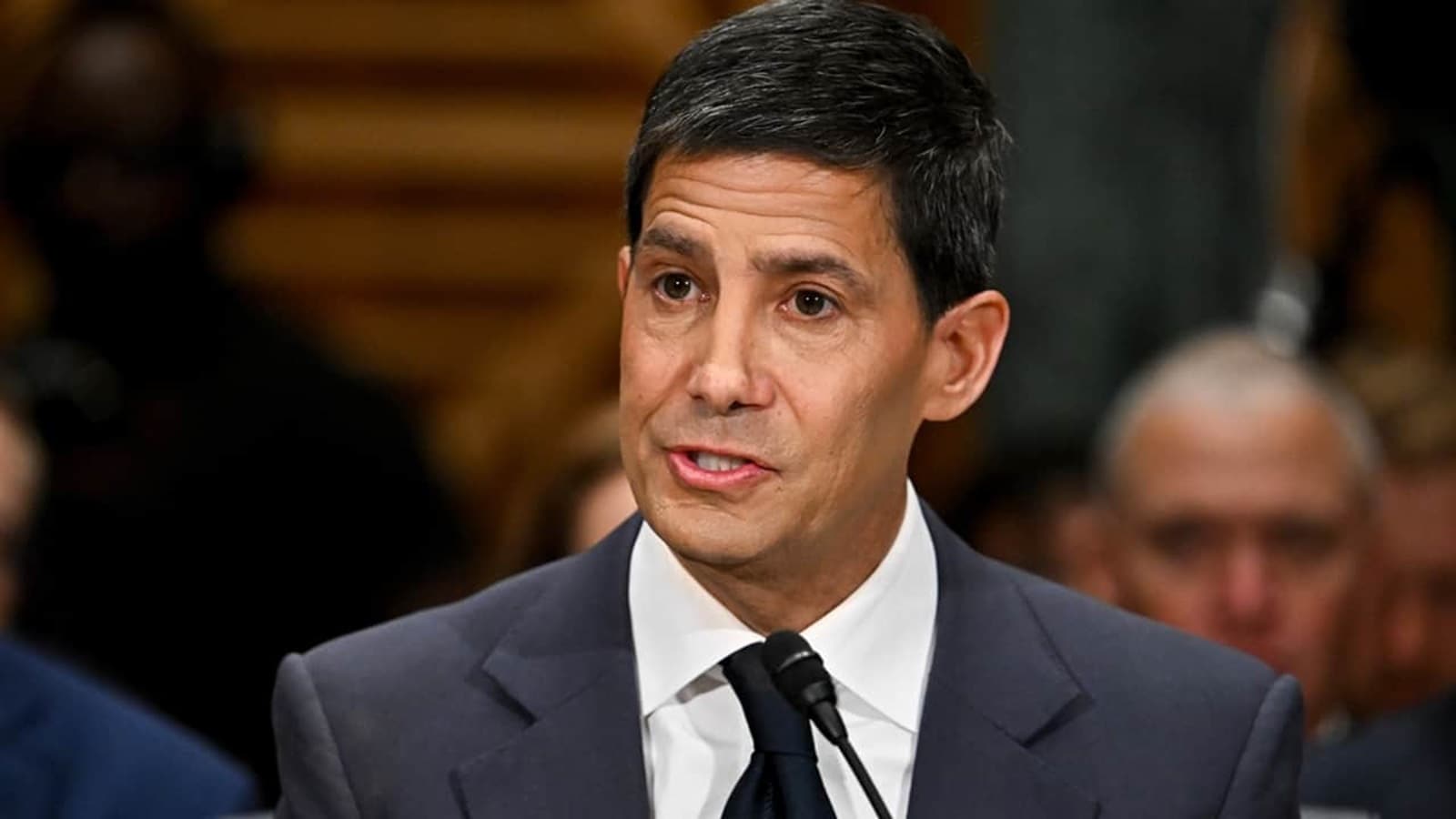
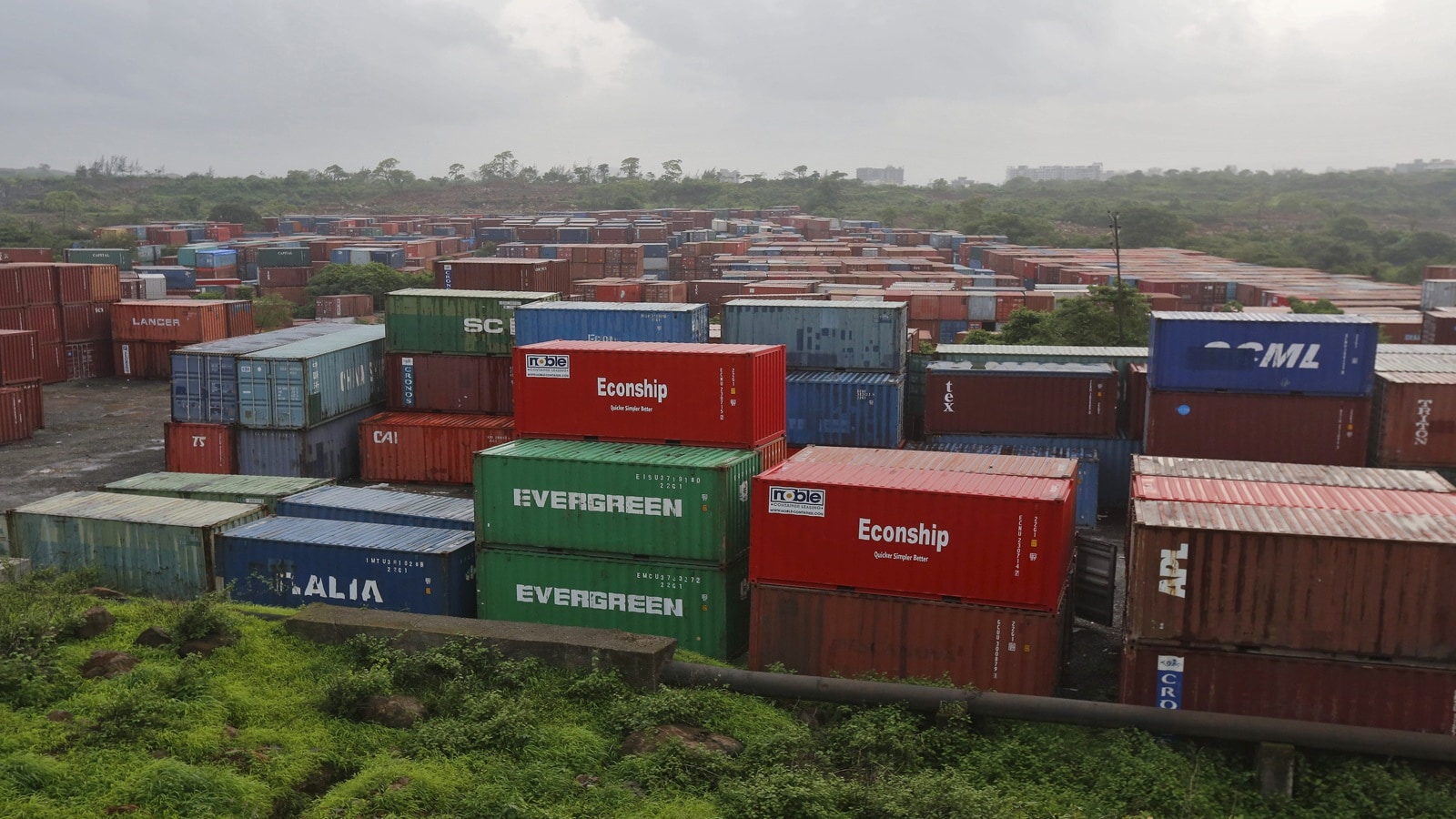
Canadian International Trade Minister Maninder Sidhu is counting down the days until Prime Minister Narendra Modi lands in Canada for talks slated around December 11 and 12, hoping both governments can wrap up Comprehensive Economic Partnership Agreement (CEPA) negotiations before the calendar flips to 2027. On paper, the momentum looks electric. Negotiators have pushed through six rounds of talks since signing the Terms of Reference in March 2026 during Prime Minister Mark Carney's visit to India, and Ottawa has even started closing initial chapters.
Still, I wouldn't pop the champagne just yet.
Closing a broad trade pact in under a year after a decade of fits and starts sounds thrilling, especially when officials talk up targets of C$70 billion (or US$50 billion in Indian readouts) in bilateral trade by 2030. Yet trade deals don't get finished by press-release optimism alone. Agriculture tariffs, services mobility, regulatory friction, and the gap between concluding talks and enforcing legal text can easily trip up a rushed year-end deadline.
How the India Canada CEPA Talks Got Back on Track
If you followed this file between 2010 and 2017, you know the old script. Ottawa and New Delhi launched CEPA talks back in November 2010, dragged through ten rounds by 2017, and watched the process stall. After years of diplomatic chill and frozen commercial momentum, the reset didn't happen by accident.
In November 2025, Carney and Modi agreed to formally launch CEPA negotiations as part of a broader effort to mend ties. Then, on March 2, 2026, in Mumbai and New Delhi, Sidhu and Indian Commerce and Industry Minister Piyush Goyal signed the Terms of Reference with both prime ministers watching. That document set the rules of engagement across goods, services, investment, rules of origin, intellectual property, and trade remedies.
Since then, the pace has been brisk by trade-negotiation standards:
- Five early rounds moved talks from general scoping into specific text, including an October 5–9, 2026 round in Ottawa.
- A sixth round kicked off in New Delhi in early November 2026 alongside meetings between Sidhu and Goyal—who have met more than a dozen times since May 2025—and followed a roughly 300-delegate Team Canada Trade Mission in October that netted 34 commercial agreements.
- Chapter closures have begun, with reports in mid-November indicating three chapters were wrapped up ahead of another round planned for December.
Sidhu's argument is straightforward: Canada and India are complementary economies rather than head-to-head rivals. When global trade shifts—and as Canadian exporters look to diversify beyond heavy reliance on the United States—he argues that deeper ties with India create real jobs at home.
What Sidhu and Goyal Actually Want Out of CEPA
A lot of surface-level coverage treats a trade deal like a giant coupon book where every tariff drops to zero overnight. That's not how CEPA works, and honestly, expecting instant duty-free everything is a fast way to misunderstand what's on the table.
A Comprehensive Economic Partnership Agreement is a broad architecture. It covers customs duties on goods, rules for cross-border services, investment protections, customs procedures, intellectual property, and regulatory cooperation. For Ottawa and New Delhi, the stakes stretch well beyond basic merchandise.
Where Canadian Exporters See Openings
Canada brings hard commodities and specialized capabilities that India needs as it builds out infrastructure, energy security, and industrial capacity:
- Potash and agricultural inputs: India relies heavily on imported fertilizers, and negotiators have focused on smoother trade flows for Canadian potash. Pulses and yellow peas also matter hugely, since India is a top market for Canadian pulses even while facing steep Indian duties—ranging from 10% on certain pulses up to 30% on yellow peas—plus non-tariff hurdles.
- Energy and critical minerals: Canada has pushed its profile as a dependable energy supplier—pointing to expanding liquefied natural gas capacity such as the second phase of LNG Canada—alongside critical minerals needed for clean energy and electronics supply chains.
- Capital and high-tech sectors: Canadian pension funds and institutional investors already hold over $100 billion in Indian assets, and Ottawa has spotlighted aerospace, space, clean technology, and information and communications technology as priority commercial lanes.
What India Pushes for in Return
New Delhi isn't approaching this as a favor. India wants predictable market access for manufactured goods and high-value services, smoother pathways for Indian professionals and talent, and regulatory treatment that doesn't quietly lock out competitive Indian firms.
There's also a broader financial and geopolitical layer sitting right next to CEPA. Both sides have looked at parallel tracks—such as negotiations on a Foreign Investment Promotion and Protection Agreement (FIPA), fintech and payments modernization, and trilateral technology work with Australia. Those pieces matter because even a strong trade text struggles if cross-border payments, visa frictions, or investment disputes stay messy.
The Hardest Bottlenecks Before December Ends
Wrapping up negotiations by December is politically attractive. Both leaders get a headline deliverable during Modi's planned December visit. Yet anyone who has watched trade talks up close knows that speed and political deadlines often collide with domestic red lines.
Agriculture and Supply-Managed Sensitivities
Agriculture is always the third rail in trade talks, and neither country has an easy ride here. Canada's own 2026 public consultations on the CEPA drew 624 submissions from businesses, provinces, unions, Indigenous groups, and citizens. Supply-managed sectors, sugar producers, and livestock groups raised sharp warnings about tariff concessions, animal health, food safety, and biosecurity.
Flip the lens to India, and farm livelihoods remain fiercely protected politically. Finding a middle ground—whether through phased tariff cuts, quotas, or exclusions—takes horse-trading that rarely happens cleanly in a few weeks.
Services, Mobility, and Non-Tariff Barriers
Tariffs are the easy part to measure. Non-tariff barriers—slow product approvals, testing rules, opaque regulations, and rules on how service providers cross borders—are where real deals bog down. Cosmetics makers in Canada's consultations asked for binding regulatory cooperation to fix slow approvals; cultural stakeholders pressed for exemptions to protect domestic cultural policy in the age of AI and digital media. Meanwhile, India's push on services and mobility runs straight into domestic labor-market sensitivities and licensing rules in Canada.
Competing Suppliers and Geopolitical Reality
Even if CEPA passes, commercial competition doesn't pause. Take heavy crude oil: Canadian grades like Cold Lake compete against alternatives such as Venezuelan heavy crude, where geopolitical pressure and pricing shifts can sway refinery buyers regardless of diplomatic warmth. And security or trust issues in bilateral relations haven't disappeared overnight; policy analysts note that sustaining momentum requires enforceable commitments and realistic expectations rather than pure goodwill.
Announcement vs. Actual Law: A Detail People Miss
Here's a trap I see readers fall into all the time: treating a "conclusion of negotiations" announcement in December as if new tariff-free trade starts on January 1.
It doesn't. A trade deal has stages:
- Political conclusion / agreement in principle: Negotiators wrap up the core bargain, often celebrated at a leaders' summit.
- Legal scrubbing and translation: Lawyers review the text across chapters to make sure wording is consistent and legally sound.
- Domestic approval and ratification: Both governments follow their own constitutional, parliamentary, or cabinet procedures—which in Canada also involves consultations and coordination with provinces and territories.
- Entry into force: Only after formal ratification steps are complete do the tariff schedules and binding commitments actually take effect.
If Modi and Carney announce that talks have concluded in December, that's a major milestone. Still, businesses shouldn't rewrite supply-chain contracts on day one without reading the final schedules and implementation dates.
How Businesses and Watchers Can Prepare Right Now
Whether you run an export business, manage cross-border supply chains, or just track trade policy, waiting until a press release drops is a mistake. A few practical moves make sense right now:
- Map your HS codes against current tariffs and non-tariff hurdles. If you ship pulses, peas, fertilizers, industrial inputs, or manufactured goods, check where duties and compliance rules currently bite hardest.
- Watch the exact wording on rules of origin. Even when duties fall, products usually must meet rules-of-origin thresholds to qualify for preferential treatment.
- Track parallel agreements alongside CEPA. Keep an eye on investment protection talks, sector annexes, and trade-commissioner programs rather than betting everything on a single headline text.
- Plan for a phased rollout. Build timelines that account for legal review and domestic ratification after December, so you're ready when provisions phase in instead of scrambling at the last minute.