India wants 100 gigawatts of nuclear power by 2047. Right now, it has less than 9 gigawatts. You don't need a math degree to see the massive gulf between those two numbers.
Solar and wind are great, but they don't provide baseload power when the sun goes down or the breeze dies. If New Delhi wants to pull millions more into the modern economy without choking its cities in coal smog, it needs massive, reliable, around-the-clock atomic energy. To build that future, India needs a mountain of fuel.
That's where Canberra enters the frame. Australia holds roughly 28% of the world's known uranium deposits. After more than a decade of bureaucratic hand-wringing and political hesitation, the two nations finally finalized the critical administrative arrangements to unlock commercial uranium exports.
It's a massive shift in the geopolitical energy trade. Here's exactly why this partnership matters, what took so long, and how it reshapes the global clean energy equation.
The Raw Math of India's Nuclear Ambitions
India's current nuclear capacity sits at 8.78 gigawatts, contributing a meager 3% to its total electricity mix. Meanwhile, coal still shoulder-presses around 75% of the country's actual power generation.
To bridge this gap, the Indian government launched its Nuclear Energy Mission, setting a target of 100 gigawatts by 2047. It's an aggressive roadmap that involves building a fleet of domestic 700-megawatt pressurized heavy water reactors, importing large-scale light water reactors from international partners, and rolling out small modular reactors like the newly designed 200-megawatt Bharat Small Modular Reactor.
But reactors are just expensive concrete domes without fissile material.
India's domestic uranium reserves are notoriously low-grade and difficult to extract. For decades, the lack of reliable fuel kept local reactors running well below their actual capacity. While India achieved a massive milestone when its indigenously built Prototype Fast Breeder Reactor at Kalpakkam attained first criticality, the immediate path forward depends entirely on secured foreign supply. Australia's willingness to sell its massive resource wealth means India can finally stop worrying about running out of fuel for its civilian reactors.
Decades of Friction and the Breakthrough
If this partnership is such a perfect match, why didn't it happen sooner? The short answer is geopolitics.
Australia was historically a strict defender of the Nuclear Non-Proliferation Treaty. Because India chose not to sign the treaty and conducted nuclear tests in 1974 and 1998, Canberra banned uranium sales to New Delhi for decades. The ice started melting after the United States granted India a unique civil nuclear waiver in 2008, recognizing its clean track record.
Australia and India eventually signed a framework civil nuclear agreement in 2014, but commercial movement stayed stuck in neutral. The sticking point was always tracking and safeguards. Canberra wanted absolute guarantees that not a single atom of Australian uranium would find its way into India's military weapons program.
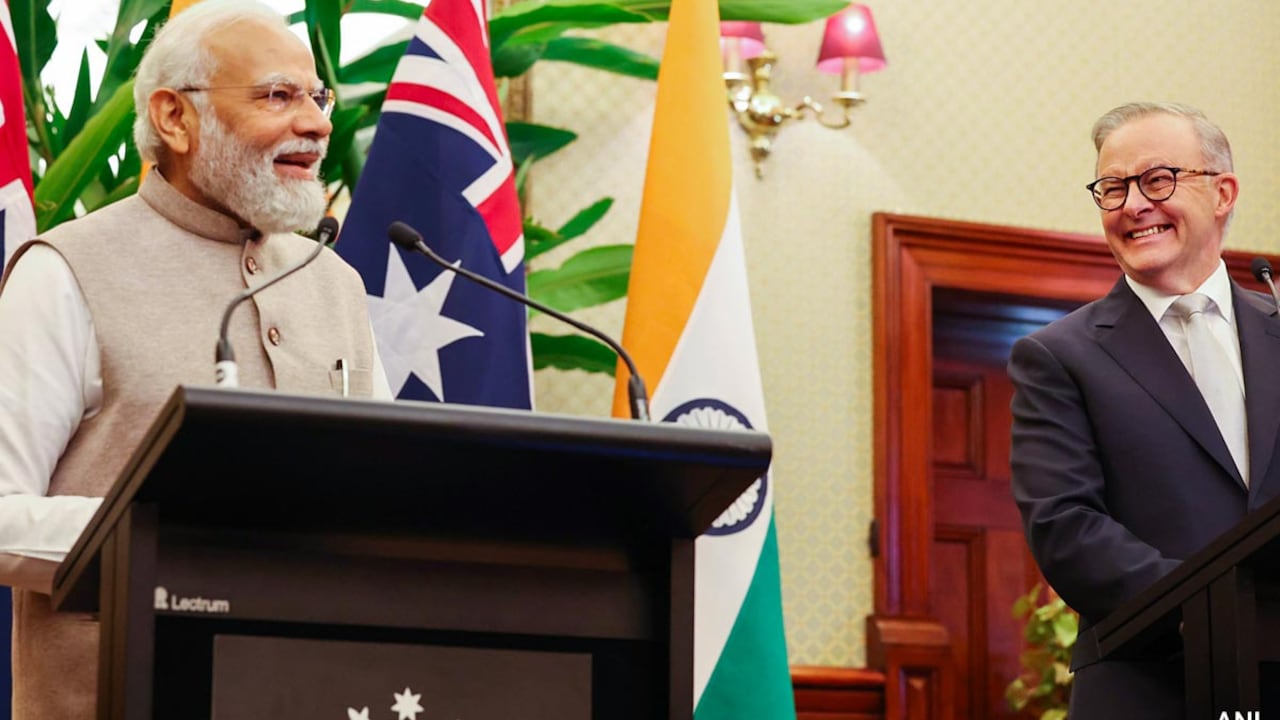
The breakthrough came at the Annual Leaders' Summit in Melbourne, where Prime Minister Narendra Modi and Australian Prime Minister Anthony Albanese finally put ink to paper on the final administrative arrangements. This mechanism places the supplied uranium strictly under International Atomic Energy Agency safeguards.
Moving Past the Geopolitical Hangover
This isn't just about resource extraction. It's a calculated move by both nations to secure their supply chains against growing regional volatility.
For Australia, opening up uranium exports to India creates a lucrative, long-term market for its mining sector, led by companies operating massive deposits like Olympic Dam. It also diversifies Australia's export portfolio away from over-reliance on a single northern neighbor.
For India, it removes a major bottleneck. New Delhi can now confidently execute its plans to build out multi-reactor complexes across states like Haryana, Madhya Pradesh, and Rajasthan. It also sends a clear signal to other international reactor vendors, like France's EDF or Westinghouse in the US, that India has the long-term fuel security required to justify multi-billion-dollar projects.
What Happens Next
The diplomatic handshake is done, but the real work starts on the ground. To make this partnership count, both sides need to move past policy papers and focus on execution.
First, mining companies and fuel procurement agencies need to sign the actual commercial supply contracts. India's Nuclear Power Corporation of India Limited will need to coordinate directly with Australian resource giants to lock in long-term pricing structures.
Second, India must accelerate its domestic regulatory overhauls. The government recently allocated funding to develop indigenous small modular reactors and signaled a desire to amend legislation to encourage private sector investment in nuclear generation. If India wants to hit its targets, it must open the doors for private capital to build out the infrastructure that will consume this newly acquired uranium.
The runway to 2047 is shorter than it looks. Securing Australian uranium is the foundation India needed, but the real test is how fast it can build the reactors to burn it.
For a deeper look into the operational milestones of India's atomic expansion, check out this PIB report on India's nuclear journey which details the recent technological progress of the domestic reactor program. This breakdown highlights the specific milestones India has achieved as it shifts toward commercial fast-breeder technology.