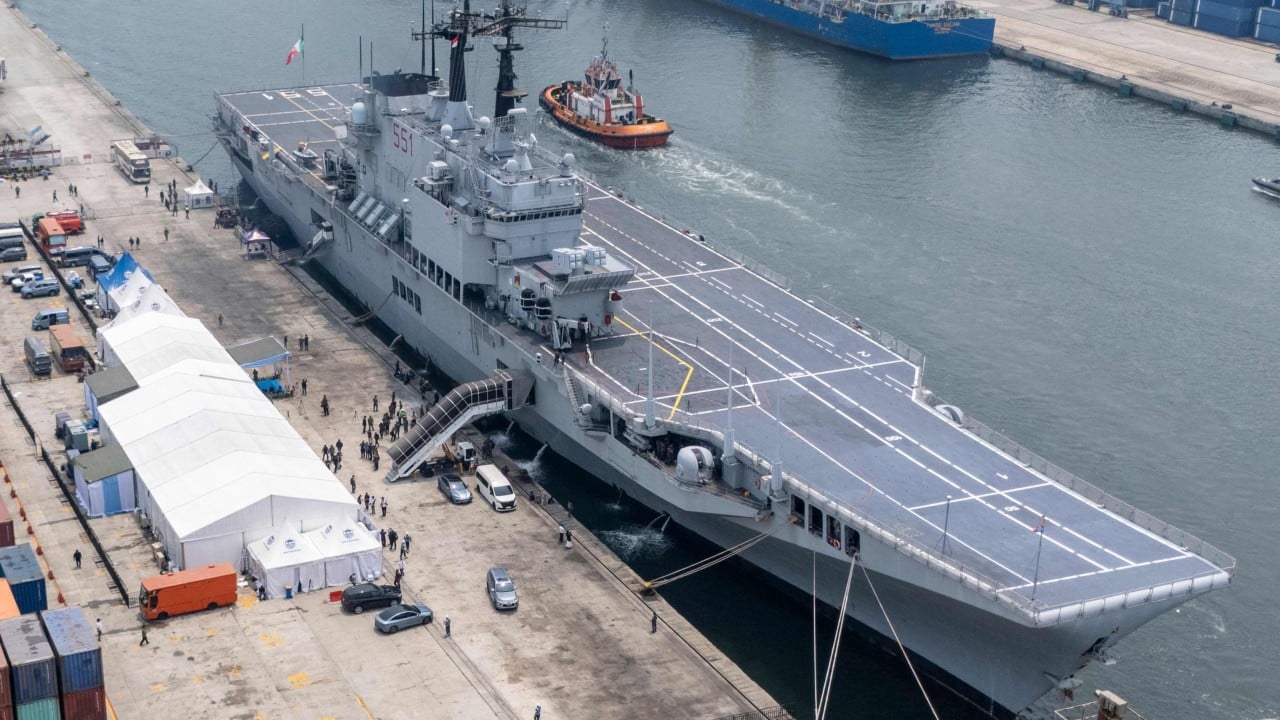
Warships cost fortunes to build and even more to keep afloat. When a developing island nation acquires heavy naval aviation assets, defense analysts instantly split into two camps. Half see a bold geopolitical chess move. The other half see a floating money pit. Indonesia recently entered this high-stakes arena, securing its first aircraft carrier capabilities amid fierce debates over staggering upkeep costs.
Let's cut through the defense industry PR. Owning an aircraft carrier isn't just about showing off a massive hull at international maritime reviews. It is a multi-decade financial commitment that strains national budgets, demands sophisticated supply chains, and completely shifts military logistics. If you look past the initial headline-grabbing pride, the reality of running a carrier fleet exposes brutal economic trade-offs.
The True Cost of Blue Water Ambitions
Most people assume buying the ship is the hardest part. It isn't. The real financial bleeding starts the moment the vessel anchors at port.
Operating a floating airbase requires a carrier strike group. A single hull is essentially a sitting duck without a protective screen of destroyers, frigates, submarines, and supply ships. Then you add the aircraft. Fighter jets, early-warning radar planes, and anti-submarine helicopters cost tens of millions each. Pilots need thousands of hours of flight training, which burns through aviation fuel at an astronomical rate.
Indonesia spans over seventeen thousand islands. Protecting such a massive maritime territory makes naval power look essential on paper. Yet, defense budgets are finite. Every dollar spent maintaining a high-maintenance carrier is a dollar pulled away from ground forces, cyber defense, or local coastal patrol boats.
Naval experts often point to historical examples of nations biting off more than they can chew. Maintaining these platforms demands dry docks large enough for heavy repairs, specialized metallurgy, and foreign technical assistance. If domestic shipyards lack the infrastructure, every major overhaul requires sending the ship abroad. That drives maintenance bills sky-high.
Geopolitical Posture Versus Domestic Realities
Regional tensions across the Indo-Pacific are boiling over. Territorial disputes in the South China Sea keep defense planners awake at night. Nations feel immense pressure to project strength. A visible, mobile airfield sends an unmistakable message to rival powers.
Jakarta wants to assert sovereignty over its vast exclusive economic zone. Illegal fishing, foreign research vessels poking around contested waters, and piracy threaten maritime trade routes. Proponents argue that an aircraft carrier provides unmatched deterrence. If a crisis erupts, having air superiority miles away from fixed land runways changes the tactical math entirely.
Critics counter that this strategy prioritizes prestige over practical defense needs. Indonesia faces internal security challenges, natural disaster relief demands, and modernization gaps in its army and air force. Spending national treasure on a capital ship risks creating a hollow force. You end up with an impressive flagship that sits idle because the navy cannot afford to keep its escort ships fueled and its pilots current on carrier landings.
Navigating the Logistics Nightmare
Running a carrier operation is an engineering marathon. It is not like operating a commercial cargo ship.
Jet fuel must be stored safely in massive aviation fuel bunkers below the waterline. Munitions magazines require climate control and strict safety protocols. Catapults and arresting gear—if the vessel uses fixed-wing aircraft—or heavy deck management for vertical takeoff jets require specialized maintenance teams working around the clock in brutal maritime environments. Saltwater corrosion destroys unmaintained metal in weeks.
Training a carrier crew takes years. Deck crews wear color-coded jerseys, each signifying a dangerous specialty like ordnance handling, fueling, or catapult operation. One small mistake on a pitching flight deck leads to catastrophic loss of life and multi-million-dollar aircraft.
If Indonesia plans to sustain this capability long-term, it must build domestic defense industries capable of servicing these complex systems. Relying indefinitely on foreign defense contractors drains foreign currency reserves and compromises strategic autonomy.
Balancing Pride and Practicality
National pride matters. Citizens love seeing their flag flying from a powerful warship. Leaders know that military strength translates into diplomatic clout.
However, spreadsheets do not care about national pride. When maintenance budgets squeeze out routine training hours, readiness plummets. The true test of Indonesia's bold naval expansion will not happen during a ceremonial commissioning parade. It will happen ten years from now, when the ship faces its first major mid-life overhaul cycle, and accountants look at the ledger.
Smart defense planning requires brutal honesty about long-term costs. Whether this carrier becomes an invaluable shield for archipelagic security or an expensive lesson in overextension depends entirely on sustained funding and disciplined strategic choices.


