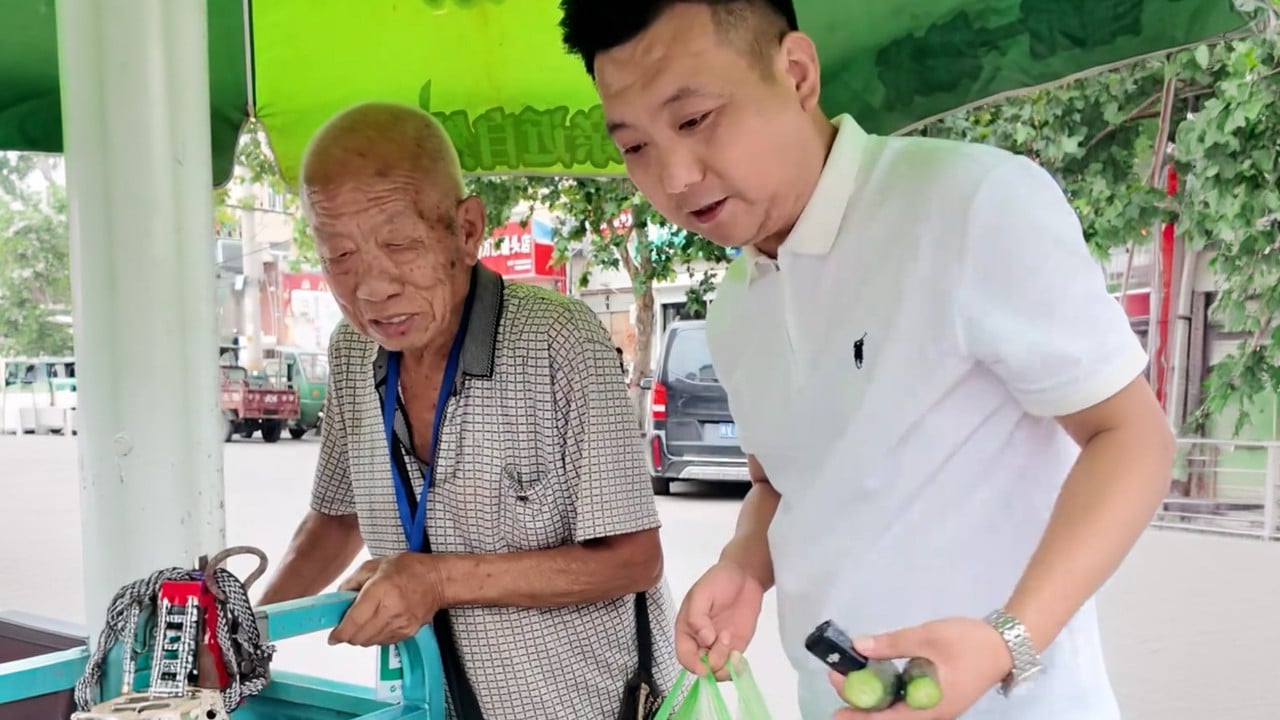
A viral video starts with a smiling influencer, a vulnerable person, and a heartwarming gesture. You see it every day on Douyin and Kuaishou. It feels good. It gets millions of views. But away from the camera lens, the reality of these staged interactions can turn dark fast.
The recent tragedy involving a Chinese livestreamer and a local farmer exposed the hidden dangers of digital charity. An influencer invited an elderly farmer to a shared lunch, filming the entire interaction for content. Shortly after the meal, the farmer was killed in a violent car crash while heading home. What was framed as a wholesome act of goodwill ended in a devastating loss of life.
This is not an isolated mishap. It highlights a systemic issue within the content creation ecosystem. The relentless hunt for traffic drives creators into rural communities, treating vulnerable people as props for algorithmic gain. When the cameras stop rolling, the creators pack up, leaving the subjects to navigate real-world consequences alone.
The Illusion of Digital Goodwill
Livestreamed charity has become a massive genre in China. Creators travel to impoverished villages to hand out cash, buy local produce, or treat residents to meals. On the surface, it looks like a win-win. The creator gets views, and the resident gets help.
It is rarely that simple. These videos rely on a power imbalance. The influencer holds the camera, the money, and the narrative. The recipient is forced to perform gratitude to receive assistance. This dynamic strips people of their dignity for online engagement.
The pressure to create dramatic, emotional content leads to risky setups. Creators often film in remote areas with poor infrastructure. They pull people away from their daily routines, keep them out late, or transport them without proper safety measures. The drive to get the perfect shot overshadows basic safety protocols.
When Content Creation Ignores Real World Safety
The tragic accident after the shared lunch shows how digital storytelling ignores physical safety. Creators focus entirely on the frame of the video. They do not think about what happens before the record button is pressed or after it stops.
Rural roads in China present significant driving hazards. Many lack proper lighting, clear signage, or barriers. When an influencer brings an elderly person out of their familiar environment for a video shoot, they introduce new risks. Fatigue, changes in routine, and unfamiliar transportation routes can lead to fatal mistakes.
The legal responsibility in these situations remains highly complex. When an influencer involves a vulnerable individual in a commercial video production, they owe that person a duty of care. You cannot just use someone for clicks and then abandon them the second the video wraps. If the filming process contributed to fatigue or placed the individual in a hazardous situation, the creator faces serious legal exposure.
The Traffic Algorithm is Driving the Problem
The root cause of this behavior is the platform algorithm. Platforms reward high-emotion, high-drama content. Wholesome charity videos perform exceptionally well because they trigger immediate shares and comments.
This creates an incentive structure that pushes influencers to push boundaries. They need bigger stunts, poorer subjects, and more dramatic tears to stay relevant. The algorithm does not check if the subject gave informed consent. It does not check if the subject made it home safely. It only cares about watch time and retention.
Many creators start with good intentions. Then they get a taste of viral success. The need to maintain that traffic turns their channel into a factory. People stop being human beings and become data points to satisfy the platform metrics.
The Growing Backlash Against Rural Exploitation
Public sentiment in China is shifting rapidly against this style of content. Audiences are growing skeptical of sudden acts of kindness captured from three different camera angles. The tragic death of the farmer sparked widespread anger online, with users demanding accountability from both the influencer and the platforms.
Regulatory bodies are stepping in to curb these practices. The Cyberspace Administration of China has previously cracked down on fake charity videos and algorithmic manipulation. However, enforcing these rules across millions of daily uploads remains incredibly difficult. Creators constantly find loopholes, re-branding exploitation as lifestyle vlogging or cultural appreciation.
True charity happens without a camera crew. If a video requires someone to look miserable or perform appreciation to get help, it is entertainment, not philanthropy.
Moving Past Exploitative Content
To prevent further tragedies, viewers must change how they consume content. Stop liking, sharing, and commenting on videos that exploit vulnerable people for views. Starve these creators of the traffic they crave.
Platforms must implement stricter safety verification for videos involving vulnerable populations in high-risk environments. If an influencer brings an elderly person or a child into their content, they should prove that safety standards were maintained throughout the entire process.
If you want to support rural communities, look for transparent, organized non-governmental organizations. Support local farmers directly by purchasing their goods through legitimate e-commerce channels without demanding they perform for your entertainment. Real impact does not need a viral soundtrack or a perfectly edited thumbnail. It requires respect, safety, and systemic support.