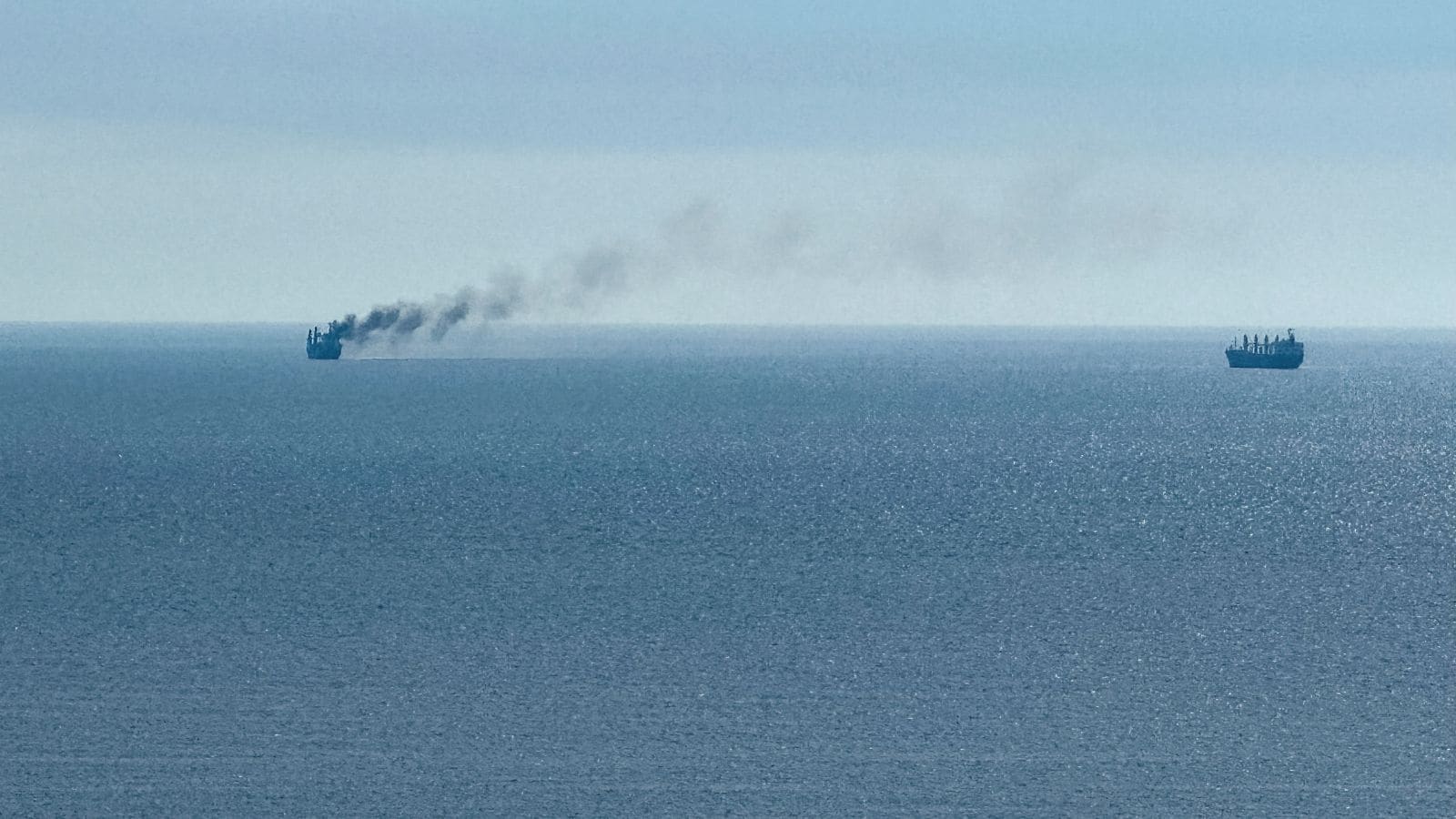
Thirteen Indian seafarers find themselves trapped aboard the cargo vessel MV AMIR1 at Ukraine's Chornomorsk port, caught directly in the volatile crosshairs of intensifying drone and missile strikes across the Black Sea corridor. As the Forward Seamen's Union of India issues desperate SOS alerts, the structural vulnerabilities of commercial shipping in active war zones have been laid bare.
The Anatomy of a Black Sea Stalemate
Commercial shipping lanes in Eastern Europe have long operated on a knife-edge. The modern maritime economy relies on calculated risks, yet the current escalation around Ukrainian ports represents an entirely different order of magnitude. When merchant vessels accept charters into zones designated as high-risk waters, they enter an operational vacuum where insurance protections, corporate incentives, and crew safety measures frequently collide. If you liked this article, you might want to check out: this related article.
Consider a hypothetical commercial operation in a contested basin. A shipowner secures a lucrative cargo contract, betting that port infrastructure will remain functional long enough to load and clear the berth. The crew members executing the voyage rarely dictate these terms. They sign contracts thousands of miles away, trusting that international protocols and diplomatic buffers will protect them from active kinetic strikes.
That trust is currently fracturing along the entire coastline of Odesa and Chornomorsk. For another perspective on this event, see the latest update from The Washington Post.
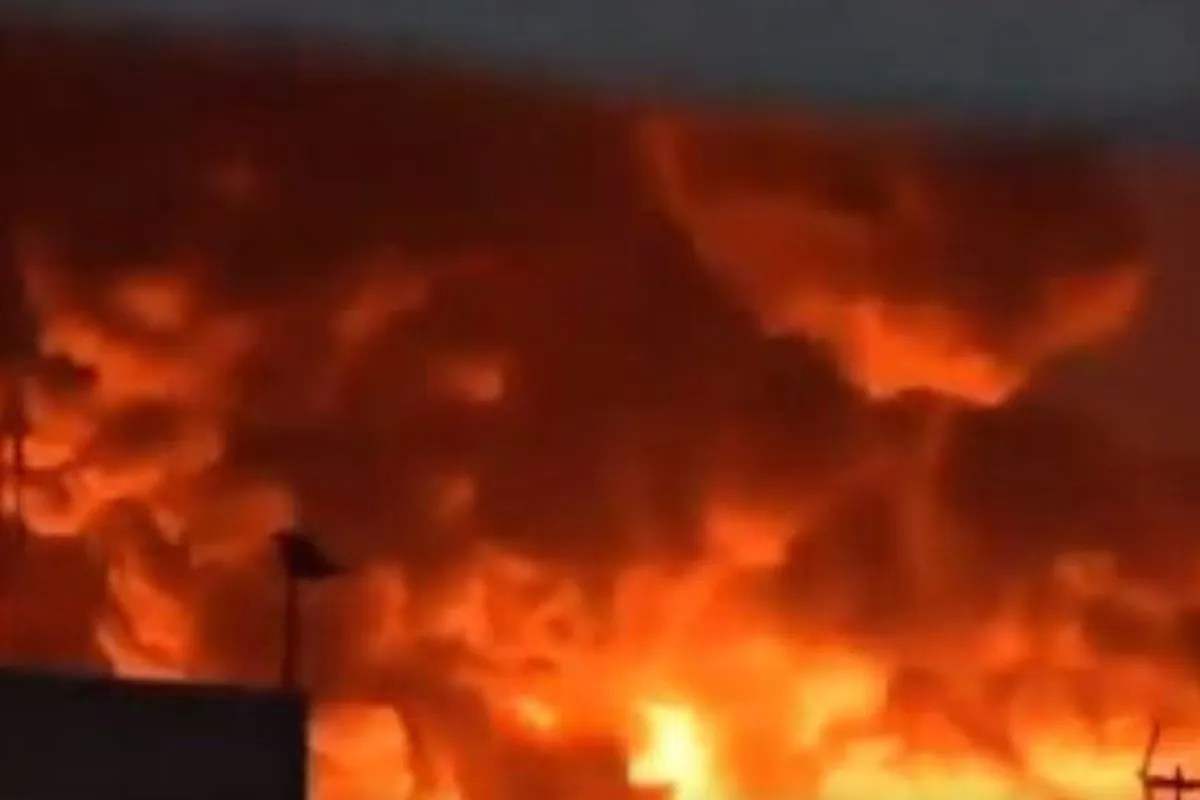
Recent weeks have transformed the western basin into a high-casualty environment for civilian crews. Incidents involving vessels like the MV OMORFI and the MV AGN RAGNAR have left multiple Indian nationals dead or missing after direct strikes or panic-induced evacuations into frigid waters. Thirteen men on the MV AMIR1 now sit inside this dangerous corridor, staring at smoke plumes rising from harbor facilities while waiting for diplomatic machinery to untangle their extraction.
Diplomatic Friction and the Limits of State Protection
When civilian mariners face mortal danger overseas, the burden shifts immediately to state ministries and embassy networks. The Ministry of External Affairs recently summoned diplomatic envoys to register strong protests following fatal strikes on merchant vessels. Yet summoning ambassadors yields slow bureaucratic traction while drones track harbor coordinates in real-time.
Geopolitical chess matches rarely align with the urgent extraction needs of fifteen stranded sailors. Ukraine controls the port infrastructure and coastal defense zones, while various international shell companies and flag states technically hold legal ownership of the vessels. This fragmentation of responsibility creates a bureaucratic paralysis.
Shipowners frequently hide behind liability clauses, hesitant to declare a total loss or abandon a hull unless forced by absolute military catastrophe. Meanwhile, port authorities grapple with their own defense priorities, leaving civilian merchant crews stranded at commercial berths that double as strategic military targets.
The Human Cost of Maritime Economics
Behind every tonnage report and trade statistic lies an invisible workforce of international seafarers. India supplies a massive percentage of the global merchant navy workforce, making its citizens uniquely vulnerable to maritime choke points worldwide. From the Red Sea to the Black Sea, Indian crews absorb the shockwaves of geopolitical conflicts they have no hand in creating.
Economic desperation often drives young mariners into high-risk contracts. Domestic maritime academies produce qualified officers and ratings faster than secure domestic job markets can absorb them. Faced with limited choices, sailors accept appointments on foreign-flagged vessels transiting hostile regions because the alternative is unemployment at home.
Once onboard, employment contracts carry severe financial penalties for unilateral abandonment. A sailor who refuses to enter a war zone risks losing months of accumulated wages, blacklisting by crewing agencies, and crippling debt repayment obligations for training loans. They stay on the ship because quitting feels financially impossible, right up until the moment a missile hits the adjacent pier.
Navigating the Gray Areas of Global Supply Chains
Resolving the plight of the MV AMIR1 requires moving past empty condemnation. International maritime organizations must enforce stricter accountability metrics for vessel operators who treat war zones as routine trade routes. If a port faces active, repetitive aerial bombardment, commercial insurance syndicates and flag states should mandate immediate vessel withdrawal rather than leaving evacuation decisions up to profit-driven owners.
Diplomatic pressure must also translate into localized corridor guarantees. Safe passage zones cannot merely exist on paper while drones patrol overhead unchecked. Until structural reforms force shipowners to prioritize human life over cargo delivery schedules, crews will continue to serve as sitting targets in modern industrial wars. The thirteen men on the AMIR1 are waiting to see if the system that put them in harm's way possesses the urgency to pull them out before the next siren sounds.