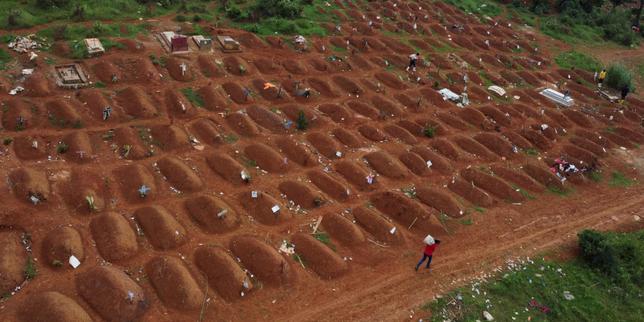
The death toll in the Democratic Republic of Congo's latest viral epidemic has officially surged past 3,000, driven by more than 6,100 confirmed cases of the Bundibugyo species of the Ebola virus. Concentrated primarily in Ituri and North Kivu provinces, this acceleration represents the fastest-moving contagion in the history of the disease, outpacing the operational capacity of international health bodies and local authorities alike. The crude case-fatality rate hovers stubbornly near fifty percent, while approximately sixty percent of all fatalities occur entirely outside formal treatment centers.
Standard reporting frames this catastrophe as a tragic inevitability of geography and conflict. That framing is incomplete. The velocity of this outbreak exposes systemic breakdowns in early epidemiological detection, institutional mistrust, and an international vaccine framework that remains fundamentally reactive rather than preventative.
The Blind Spots of Surveillance
Epidemiological control relies on a simple triad: find the case, isolate the patient, trace the contacts. In eastern Congo, that triad fractures constantly. The current crisis did not materialize overnight in May when it was officially declared; retrospective analyses by field epidemiologists suggest viral circulation began months earlier, quietly seeding transmission chains across remote mining communities and densely populated trading hubs.
By the time public health alerts triggered a formal response, the virus had already outrun the surveillance architecture. Traditional contact tracing depends heavily on cooperation and mobility control. In regions fractured by decades of armed conflict, populations move constantly out of survival necessity. Artisanal miners cross provincial boundaries daily, carrying silent infections into new health zones before symptoms fully manifest.
When surveillance is weak, the virus dictates the terms of engagement. Health workers arrive after clusters have already fragmented into dozens of secondary transmission rings.
The Treatment Gap
A staggering majority of patients are dying before they ever see the inside of a clinic. This statistic reveals a profound crisis of access and confidence.
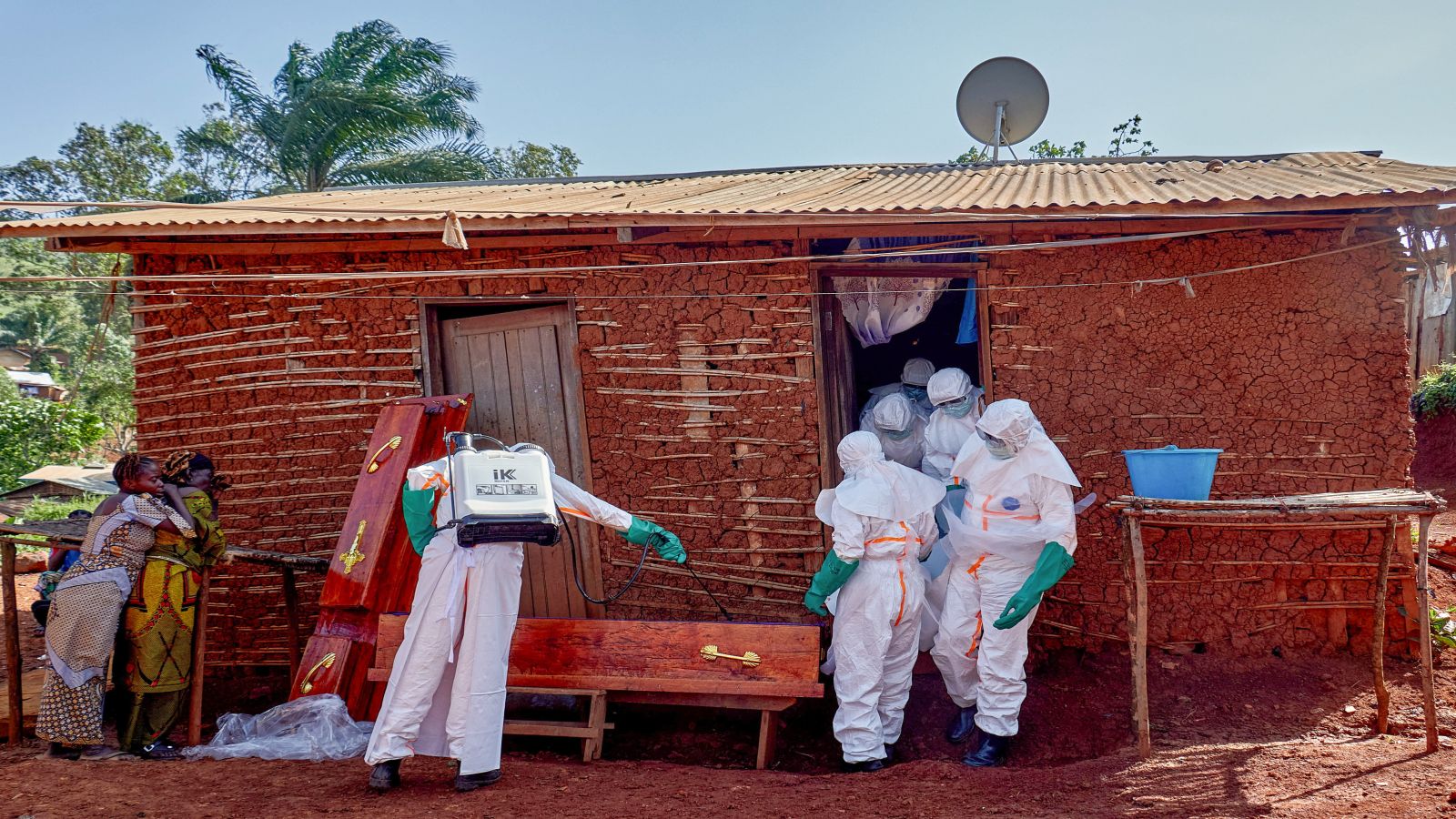
Medical anthropology in central Africa has long documented a deep skepticism of institutional medicine, born from historical marginalization and the intimidating optics of Ebola treatment units. When isolation wards look and feel like quarantine fortresses staffed by personnel in full hazmat gear, families naturally choose home care. Traditional burial practices further accelerate community transmission, turning rituals of grief into vectors of exposure.
Logistical bottlenecks compound these behavioral barriers. Transporting suspected patients across washed-out roads and contested territory without specialized ambulance fleets means many succumb during transit. Children aged four and under face a catastrophic sixty percent fatality rate, largely because pediatric intensive care protocols are scarce outside major urban centers.
The Vaccine Shortage and the Bundibugyo Variable
Science faces a distinct disadvantage in this outbreak due to the specific viral strain involved. Unlike the Zaire species that dominated previous outbreaks in the region, the Bundibugyo species lacks a dedicated, fully approved vaccine or tailored therapeutic protocol.
Authorities have deployed Merck's Ervebo vaccine—designed for the Zaire strain—hoping for cross-protection among frontline workers. While immunological crossover offers some defense, relying on repurposed countermeasures during an unprecedented epidemiological acceleration is an improvised strategy. Clinical trials for targeted vaccines are underway, but drug development timelines rarely match the exponential math of an active epidemic.
International funding announcements, such as recent multi-million-pound injections from foreign governments, provide vital capital for infection control and safe burials. Money alone cannot manufacture cold-chain storage infrastructure in remote jungle terrain, nor can it instantly train the specialized personnel required to manage advanced viral hemorrhagic fevers under active security threats.
As academic terms resume and classrooms reopen across affected provinces despite union pushback and low attendance rates, the structural vulnerabilities remain entirely exposed. Stopping the curve requires more than distributing infrared thermometers and hand-washing basins. It demands a complete overhaul of how medical intelligence penetrates conflict zones before containment becomes mathematically impossible.