Seven people are dead and dozens remain missing following the capsize of a passenger catamaran carrying nearly 270 people off the northern coast of Cyprus. The vessel, operating a routine commercial shuttle between Kyrenia and the Turkish port of Tasucu, began taking on water barely fifteen minutes after clearing the harbor.
While rescue teams have pulled hundreds of survivors from the cold waters, the disaster exposes the precarious regulatory gaps, infrastructure strains, and oversight vulnerabilities plaguing maritime transit lanes in the eastern Mediterranean.
The Anatomy of a Maritime Collapse
The passenger ferry, identified in local reports as the Filojet, departed Kyrenia under what initial maritime authorities deemed acceptable conditions, despite the region having been battered by severe storms only a day prior. Maritime safety experts note that catamaran designs offer high speed and passenger capacity, but their wide decks and stability parameters leave them uniquely vulnerable to sudden shifts in weight distribution or rapid flooding if structural integrity is compromised.
Within minutes of leaving port, the ship began listing dangerously four nautical miles off Diana Beach. The speed with which the vessel went from operational to completely capsized raises critical questions regarding its cargo manifests, passenger counts, and baseline maintenance records.
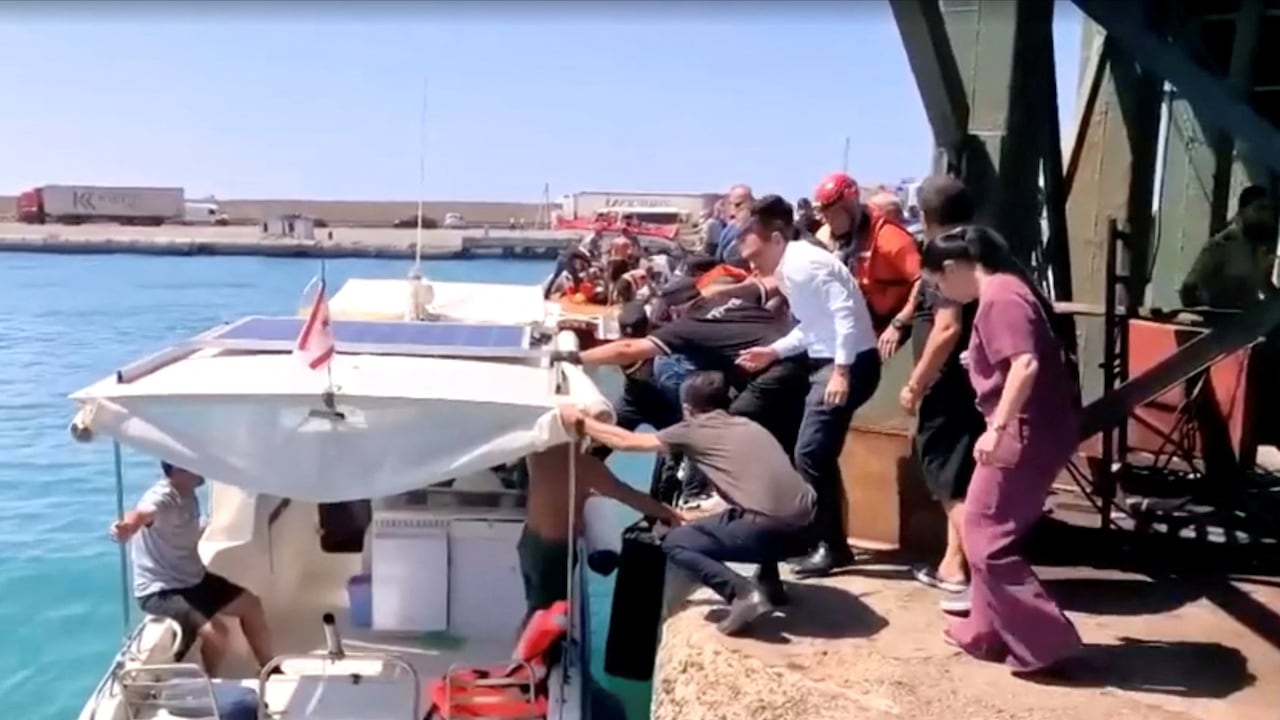
Eyewitness footage broadcast from the scene captured survivors clinging desperately to the bright orange hull of the overturned vessel, waiting for coast guard assets from both local authorities and Turkey to converge on the coordinates.
The Political Geography of Rescue
Operating out of the breakaway Turkish Republic of Northern Cyprus, the port of Kyrenia sits at the center of an isolated diplomatic entity recognized only by Ankara. This political reality complicates maritime logistics, emergency response coordination, and international safety audits.
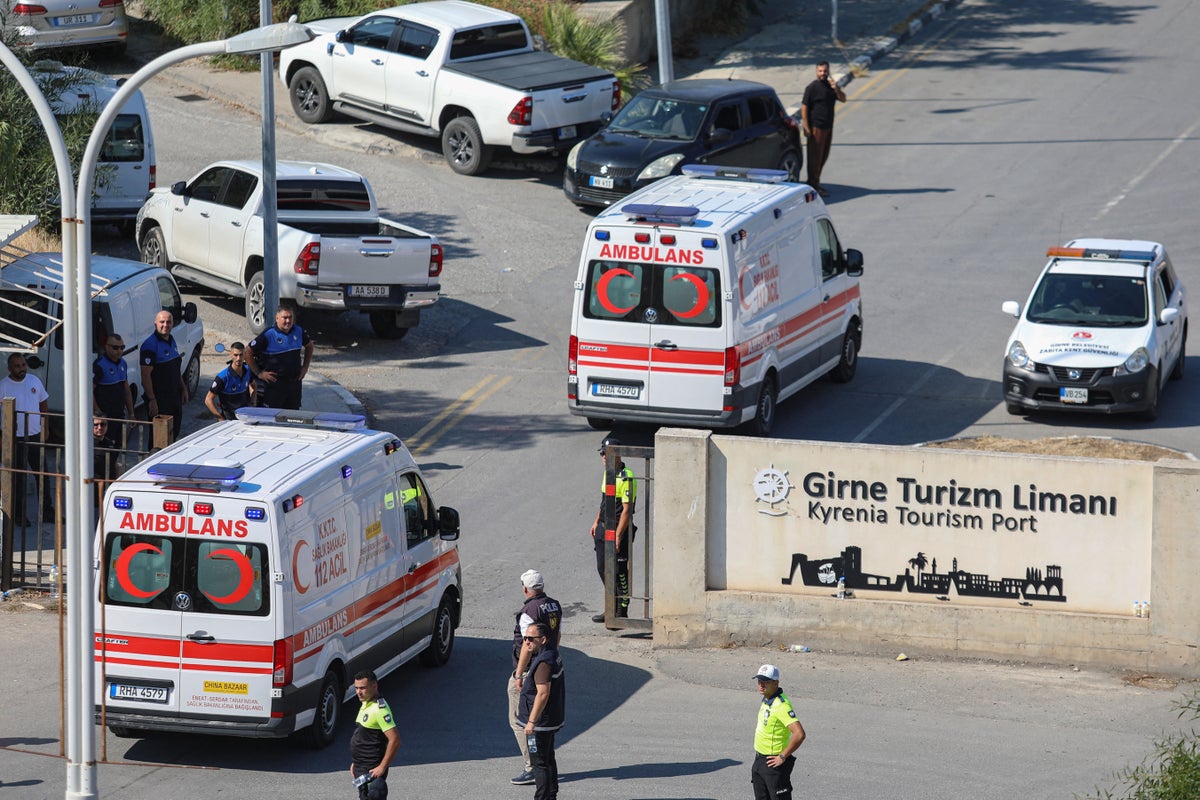
When disaster struck, response efforts required immediate synchronization between local security forces, civilian private vessels, and external deployment from Turkish coast guard ships and helicopters. While the immediate mobilization prevented a much higher death toll—rescuing roughly 237 passengers—the jurisdictional fragmentation of the island introduces hurdles for standardized maritime safety enforcement.
Internationally recognized authorities in the southern portion of Cyprus offered immediate humanitarian assistance through official channels, demonstrating that marine emergencies transcend the frozen political conflicts dividing the island. However, the structural absence of unified port state control agreements leaves northern transit corridors operating outside traditional European maritime safety frameworks.
Commercial Pressures on Regional Sea Lanes
The maritime corridor between Northern Cyprus and Turkey functions as a vital economic artery. Thousands of passengers, commercial goods, and vehicles move across this stretch of the Mediterranean daily using aging fleets of ferries and high-speed catamarans.
Economic pressures often dictate turnaround times, maintenance schedules, and passenger capacity thresholds. When operators push vessels to meet heavy seasonal demand, safety margins shrink. Investigators will inevitably scrutinize whether routine maintenance checks were deferred, how ticket sales correlated with actual life-jacket and seating manifests, and whether the vessel was navigating with an optimized weight distribution.
Accountability and the Road Ahead
Local leadership has announced immediate investigations into the operational company, Filo Denizcilik, alongside criminal inquiries directed at crew management. Initial reports indicate that detentions and arrests of operational personnel are already underway as prosecutors attempt to establish liability for the loss of life.
Assigning fault to individual crew members rarely addresses systemic maritime failures. The eastern Mediterranean remains one of the busiest and most politically fraught bodies of water in the world, requiring rigorous oversight that matches its heavy traffic volume.
Search and rescue operations continue into the night, with marine units combing the coastal shelf for the remaining missing individuals. As the spotlight shifts from rescue to recovery, the maritime industry faces renewed scrutiny over the safety of high-density coastal transit routes that prioritize speed over structural redundancy.