Thousands of Chilean children were systematically stolen from their mothers during the twentieth century and trafficked abroad for international adoption. This criminal enterprise, which peaked during the military dictatorship of Augusto Pinochet, operated under the guise of legal, charitable child welfare. For decades, Western adoptive parents believed they were rescuing destitute orphans, unaware that the infant legal paperwork was entirely fabricated by a network of doctors, social workers, and judges. Today, DNA databases and grassroots investigative networks are finally exposing the dark mechanics of these forced disappearances and reuniting fractured families.
The scale of this operation is only now coming to light, revealing a highly organized, lucrative human trafficking pipeline that crossed international borders.
The Architecture of a State Sanctioned Pipeline
To understand how an infant could vanish from a hospital and reappear weeks later in a suburban home in Europe or North America, one must look at the institutional corruption of Chile between 1973 and 1990. The system did not operate in the shadows. It functioned in plain sight, utilizing established legal frameworks to strip vulnerable women of their parental rights.
The primary targets were young, poor, unmarried, or indigenous mothers.
When these women entered public hospitals to give birth, they were entering a trap. Shortly after delivery, medical staff would inform the mother that her newborn had died. If she asked to see the body, she was refused under the pretext of hospital regulations or contagious disease. In reality, the baby was perfectly healthy and already moving through a pre-arranged transit network.
Social workers played a critical role in this scheme. They falsified socioeconomic reports, declaring that the biological mothers had abandoned their children or were unfit to care for them. These fraudulent documents were then presented to complicit judges who expedited the termination of parental rights. Once the paperwork was sanitized, international adoption agencies took over, charging foreign couples tens of thousands of dollars in "processing fees."
Money drove the entire apparatus. While the adoptive parents believed their financial contributions were supporting orphanages or legal costs, a vast portion of these funds was distributed as cash bribes to the Chilean intermediaries. It was a high-yield export business where the commodity happened to be human lives.
The Myth of the Unwanted Orphan
Western nations created a massive demand for adoptable children during the late twentieth century. This demand, combined with a lack of stringent oversight, allowed the Chilean trafficking ring to flourish.
Adoptive families were victims of a sophisticated deception. They received official-looking dossiers complete with birth certificates, death certificates of fictitious parents, and abandonment declarations signed with thumbprints. Because the paperwork bore the stamps of legitimate Chilean courts and ministries, foreign embassies issued visas without secondary verification.
The narrative fed to the public was one of humanitarian rescue. Media coverage from the era often portrayed international adoption as a noble act that saved children from Latin American poverty. This framing completely erased the biological mothers, transforming them from victims of state-sponsored theft into negligent parents who walked away from their offspring.
The psychological fallout of this myth is profound. Stolen children grew up in foreign cultures, struggling with an undercurrent of identity confusion and the persistent, false belief that their birth mothers did not want them. Meanwhile, in Chile, those mothers spent decades grieving children they knew, in their gut, were still alive somewhere in the world.
Shattering the Silence Through Genetic Data
The wall of secrecy protecting the perpetrators began to crumble with the advent of direct-to-consumer DNA testing.
For decades, the Chilean state showed little interest in investigating these adoptions, and archival records were frequently burned or lost in convenient floods. However, decentralized groups founded by adoptees and birth mothers bypassed the bureaucratic roadblocks entirely by leveraging global genetic databases.
Organizations like Nos Buscamos and Hijos y Madres del Silencio began distributing DNA kits to women in impoverished Chilean villages who had been told their babies died decades prior. Simultaneously, adults raised in the United States, France, Sweden, and the Netherlands were uploading their own genetic profiles to the same platforms.
+------------------------------------------------------------+
|         THE MECHANICAL LIFELINE OF AN ILLEGAL ADOPTION      |
+------------------------------------------------------------+
|  1. Target Selection  --> Vulnerable, low-income mothers    |
|  2. Hospital Deception --> False announcement of infant death |
|  3. Paperwork Fraud    --> Social workers fake abandonment files|
|  4. Legal Cleansing   --> Complicit judges sign off decrees |
|  5. Global Export     --> Adoption agencies charge high fees|
+------------------------------------------------------------+
The matches started appearing by the hundreds.
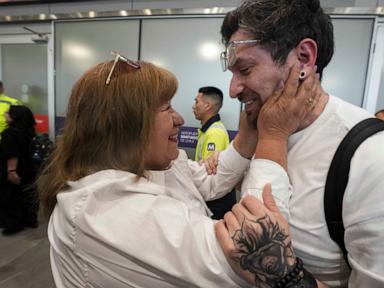
When a genetic link is established, it completely dismantles the state-fabricated narrative. An adoptee who spent thirty years believing they were abandoned suddenly discovers a mother who has spent those same thirty years searching for them. These reunions offer profound emotional resolution, but they also serve as definitive, undeniable evidence of a massive historical crime.
The Obstacles to Accountability and Justice
Reuniting families is a massive victory, but it is not the same as achieving justice. The legal battle to hold the architects of this system accountable faces immense resistance.
Most of the key players from the Pinochet era are either dead or advanced in age. The judges who signed the fraudulent decrees, the doctors who falsified birth records, and the social workers who coerced mothers have largely escaped prosecution. Statute of limitations arguments are frequently used by defense attorneys to dismiss criminal charges, despite arguments from human rights lawyers that forced disappearance is a continuous crime that does not expire until the victim's true identity is restored.
Furthermore, institutional resistance remains high. The Chilean judiciary has launched investigations, but progress is agonizingly slow. Funding for state-led DNA tracking programs is minimal, leaving the bulk of the labor to underfunded non-profit organizations and volunteer networks.
International adoption agencies that facilitated these transactions have also evaded scrutiny. Many have closed their doors, leaving behind fragmented archives that are inaccessible to investigators. The governments of receiving countries have shown a distinct reluctance to open full-scale investigations into past adoption practices, fearing the diplomatic and legal complications that would arise from acknowledging their complicity in international child trafficking.
The Long Road to Identity Restoration
Finding a biological family through a DNA match is merely the beginning of a complex, exhausting journey of identity reconstruction.
The immediate euphoria of a reunion quickly gives way to severe practical and emotional hurdles. There is the immediate barrier of language; many adoptees do not speak Spanish, and their biological mothers do not speak English or French. Conversations must be filtered through translation apps or third-party intermediaries, slowing the development of a natural relationship.
Cultural differences create further friction. Adoptees have been raised with Western sensibilities and privileges, creating a stark economic divide between them and their birth families in Chile. Navigating this economic disparity requires immense sensitivity, as both sides grapple with guilt, expectation, and the jarring reality of what was stolen from them.
There is also the profound trauma of recognizing the lost years. A mother cannot recover the infancy, childhood, or adolescence of her stolen son or daughter. The adoptee must mourn the life they should have had in their native country, surrounded by their biological culture, language, and extended family.
Governments must move beyond passive acknowledgment of these crimes. True restoration requires the establishment of fully funded, centralized state agencies dedicated to cross-border identity verification, free psychological support for reunited families, and the streamlined correction of civil registries to reflect the true identities of those who were stolen. The burden of fixing a state-sponsored crime should never fall entirely on the shoulders of its victims.