The official blueprint is titled "Disengagement 710," a bureaucratic label masking a sweeping demographic eviction. Israeli National Security Minister Itamar Ben-Gvir unveiled a formal operational strategy to empty the Gaza Strip of its roughly two million residents over a seven-year timeline, starting with 250,000 departures in the first year. Framed domestically as voluntary migration, the proposal outlines a multi-billion-dollar framework complete with travel subsidies, destination matching, and foreign state incentives. Coming alongside parallel statements from Defense Minister Israel Katz confirming military readiness to move populations by sea and air pending international approval, the timing aligns directly with an approaching legislative election cycle.
Decades of reporting on Middle Eastern security architectures reveal a recurring pattern. Fringe ideological positions migrate steadily from the margins of coalition politics into official state policy through the pressure of tight electoral mathematics. Read more on a similar subject: this related article.
The Mechanics of the Blueprint
A twenty-page document circulated by the Jewish Power party details the structural machinery required to execute mass demographic engineering. The text specifies an initial capital injection of ten billion shekels, scaling upward toward fifty billion shekels depending on international cooperation.
- A dedicated government ministry would manage departure logistics, travel documents, and foreign host negotiations.
- Financial compensation packages are earmarked for third-party nations willing to absorb displaced populations under regulated legal frameworks.
- Implementation targets rely on monthly administrative reviews tracking individual security clearances, application volume, and permanent exit statistics.
Defense Minister Katz doubled down on these ambitions during a public briefing, noting that state apparatuses stand fully prepared to facilitate departures by every maritime and aerial corridor available. Yet, the operational reality collides with strict international legal frameworks. The Geneva Conventions explicitly classify the forced displacement of protected persons in occupied territory as a grave breach and a war crime. By clothing the initiative in the language of voluntary choice, architects of the plan attempt a semantic evasion that international bodies and legal scholars immediately reject. Additional reporting by BBC News highlights similar views on the subject.
Regional Friction and the Geopolitical Wall
No demographic shift occurs in a vacuum. Any execution of this transfer policy requires sovereign accomplices, primarily bordering states who view the proposition as an existential threat to regional stability.
Egypt has maintained an unyielding stance against absorbing large waves of displaced Gazans, recognizing that such a shift permanently closes the door on Palestinian statehood and destabilizes the Sinai Peninsula. Past proposals floated by international figures to transform the devastated Mediterranean coastline into a luxury commercial zone ran directly into this regional brick wall.
The primary variable remains Washington. While right-wing factions in Jerusalem openly condition their participation in future governing coalitions on the adoption of this relocation policy, execution remains contingent on external diplomatic cover. Without explicit backing from the United States, the blueprint risks remaining an electoral slogan designed to shore up nationalist bases rather than an actionable transit operation.
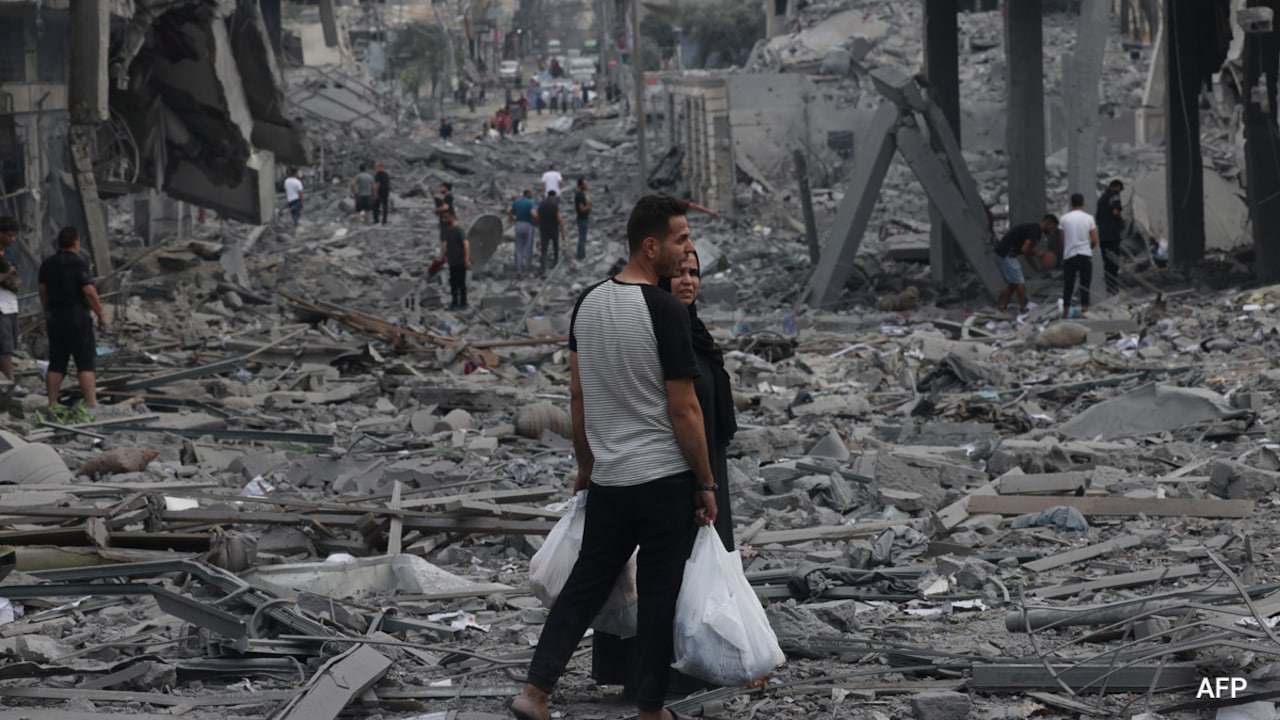
The psychological weight on the ground in Gaza tells a starkly different story from the white-paper projections drafted in ministerial offices. Years of relentless bombardment and continuous internal displacement have frayed civil society to its absolute limits. Some exhausted civilians, facing a landscape devoid of infrastructure, potable water, or economic viability, express a willingness to take any available exit route simply to survive. Others view the initiative as the final chapter of the 1948 Nakba, choosing to endure catastrophic local conditions rather than accept permanent exile from their ancestral homeland.
The political survival of key ministers now depends on maintaining momentum for a project that defies international law, tests regional alliances, and pushes a fractured landscape closer to permanent partition. Elections loom on the horizon, turning a humanitarian catastrophe into a domestic ballot-box referendum.