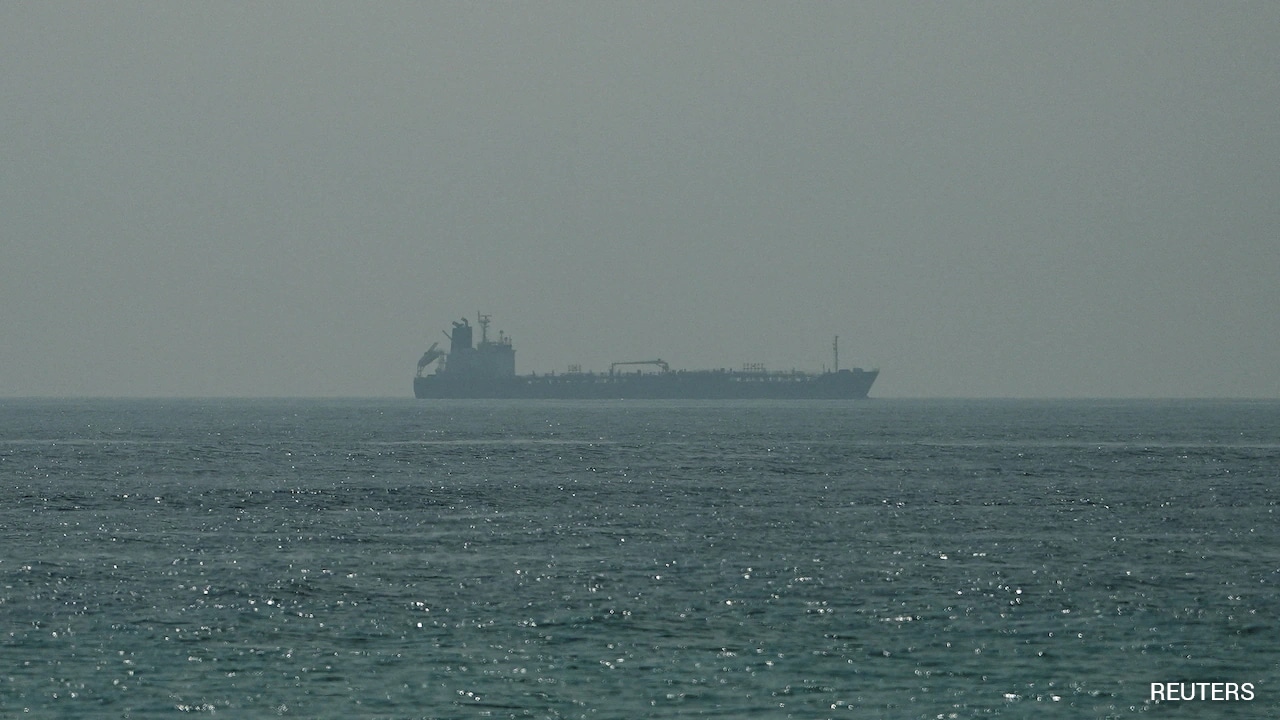
Two oil tankers recently sustained severe engine room fires after being struck by unknown projectiles while transiting the vital Strait of Hormuz. The United Kingdom Maritime Trade Operations (UKMTO) flagged the separate incidents, which underscore the extreme volatility plaguing one of the world's most critical energy chokepoints.
If you're watching global crude markets or maritime security, these latest attacks aren't isolated anomalies. They represent a dangerous escalation in a waterway where commercial shipping has increasingly become collateral damage or direct target.
The Anatomy of the Hormuz Attacks
Details emerging from maritime monitors like UKMTO and security firm Vanguard paint a tense picture. In one instance, a vessel traveling outbound near Oman was hit, disabling the ship and sparking an active fire below deck. Simultaneously, Iran's Islamic Revolutionary Guard Corps (IRGC) claimed that vessels had struck naval mines while navigating unauthorized or restricted channels.
While conflicting narratives often shroud maritime strikes—with state actors blaming mines and international monitors reporting unidentified aerial or direct projectiles—the practical reality on the water remains unchanged. Crews are facing immediate physical danger, and shipowners are forced to rethink routes through the Persian Gulf.
Why This Chokepoint Drives Global Markets Crazy
The Strait of Hormuz handles a massive percentage of the globe's petroleum liquid exports. When security breaks down here, energy prices ripple instantly across international markets. Shippers face impossible choices:
- Risk unauthorized routes to maintain tight delivery schedules.
- Comply with strict regional directives and face severe operational delays.
- Suspend transits entirely until naval escorts or security guarantees materialize.
Most operators are choosing caution, leading to congested anchorages, delayed cargoes, and skyrocketing insurance premiums for any vessel moving crude through the region.
Navigating Immediate Risks at Sea
For commercial fleet managers and vessel masters operating near the Middle East Gulf, standard safety protocols no longer suffice. Threat mitigation requires real-time intelligence sharing and active monitoring of UKMTO advisories. Crew safety drills for engine room fires and projectile impacts have shifted from theoretical compliance to daily survival requirements.
Authorities continue to urge extreme caution for any commercial traffic remaining in the area. As regional tensions persist, expect further volatility in both maritime transit lanes and global energy pricing.