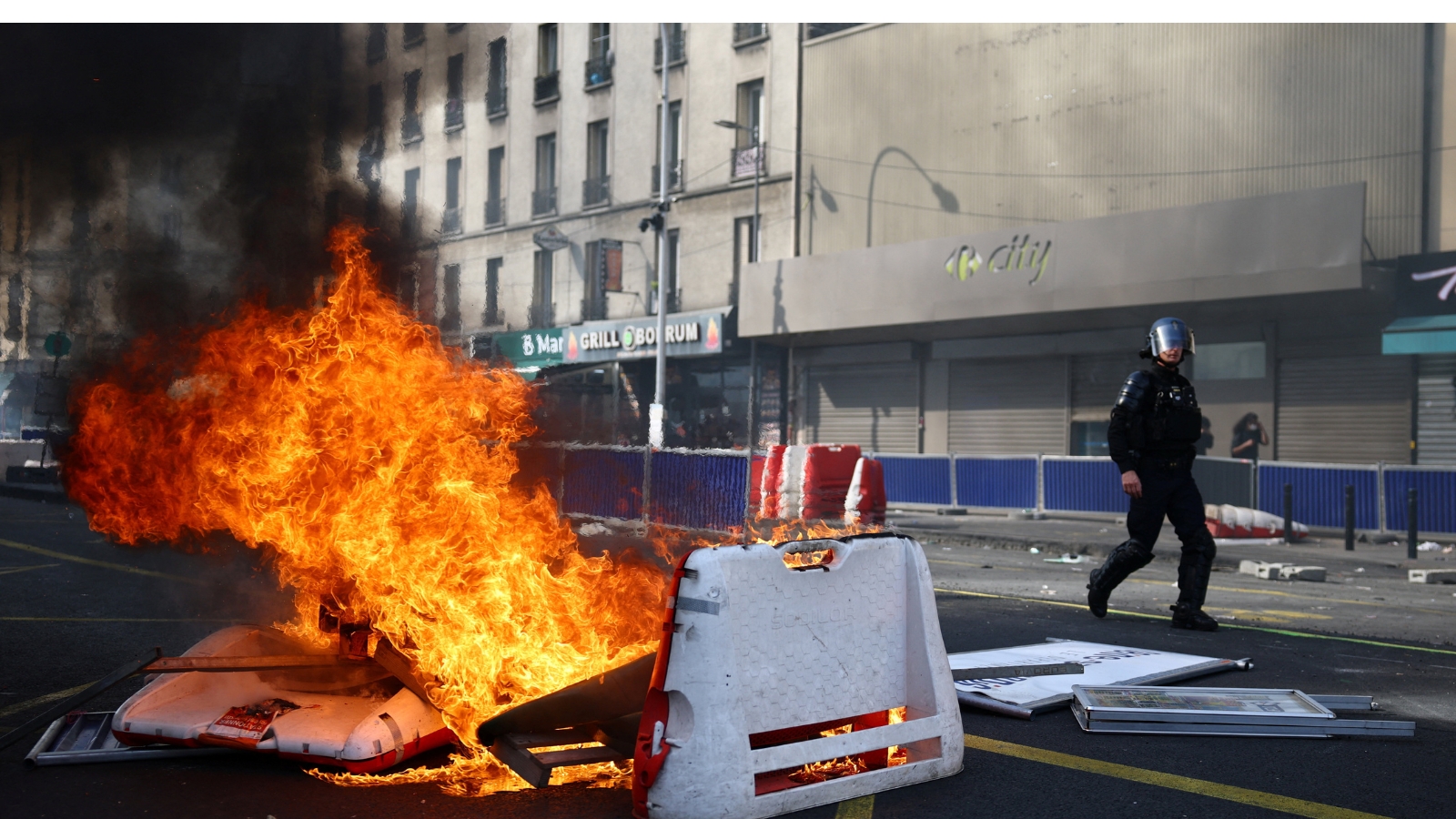
The barricades erected outside French high schools are not merely student pranks blown out of proportion by sensationalist media. They are the visible symptom of an institutional collapse that has been decades in the making. When teenagers across France dragged wheelie bins, construction debris, and metal fencing across the entrances of their lycées, they ignited a wildfire that caught the Élysée Palace entirely unprepared.
At its core, the French student protests are driven by an unbearable accumulation of systemic decay: chronic teacher shortages, unheated classrooms, crumbling infrastructure, and a deep-seated fury over the Parcoursup university admissions algorithm. But reducing these demonstrations to local education grievances misses the broader reality. This is a collision between an exhausted state apparatus attempting to impose harsh fiscal austerity and a younger generation that realizes it is being handed a broken economic future.
The Anatomy of a Breaking Point
The movement began modestly in late September at the Lycée Saint-Exupéry in Créteil, southeast of Paris. Students walked out to protest unfilled teaching positions, a problem that had left some classes without a permanent instructor for months on end. In a system preparing students for rigorous national examinations like the baccalaureate, losing a trimester of instruction in core subjects is academic sabotage.
Yet the grievances extend far beyond empty desks. Decades of underfunding have left public education facilities in a state of alarming disrepair. Students in peripheral urban areas have documented classrooms where indoor temperatures swing from freezing in winter to stifling in summer, alongside broken plumbing and rat infestations. When teenagers are told that the republic values equality while they sit in decaying portables, the social contract fractures.
Compounding this frustration is the national university admissions portal, Parcoursup. Designed to streamline entry into higher education, the platform has instead become a black box of anxiety. Applicants face rigid sorting mechanisms that disproportionately penalize working-class students from regional academies, heightening the perception that social mobility in France has ground to a permanent halt.
When Discontent Meets Hard Asphalt
As autumn progressed, the school blockades metastasized. They drew in university undergraduates, public-sector workers striking against sweeping government budget cuts, and eventually fragments of the broader anti-establishment coalitions reminiscent of earlier civil unrest.
The state's response has been heavy-handed, relying on rapid-deployment police units, tear gas, and mass administrative detentions. Thousands of minors have been arrested over the course of the mobilization, transforming what started as a demand for more educational resources into a bitter debate over civil liberties and state violence. Interior Ministry officials point to opportunistic rioters and masked groups infiltrating student marches to justify heavy security cordons, while human rights advocates argue that peaceful demonstrators and teenagers exercising their right to assemble are bearing the brunt of police batons.
The political fallout for President Emmanuel Macron's administration is severe. With national elections looming on the horizon, the social unrest provides fertile ground for political extremes on both flanks. While the government scrambles to offer concessions on admissions reform and budget allocations, the trust deficit between the state and its youngest citizens has widened into an unbridgeable chasm.
The barricades may eventually come down as term tests approach and fatigue sets in, but the structural rot in the classrooms and the profound alienation of a generation will remain long after the smoke clears.
Why are students protesting in France? | BBC News
This video provides on-the-ground context regarding the escalation of student demonstrations and the core grievances behind the school closures across France.