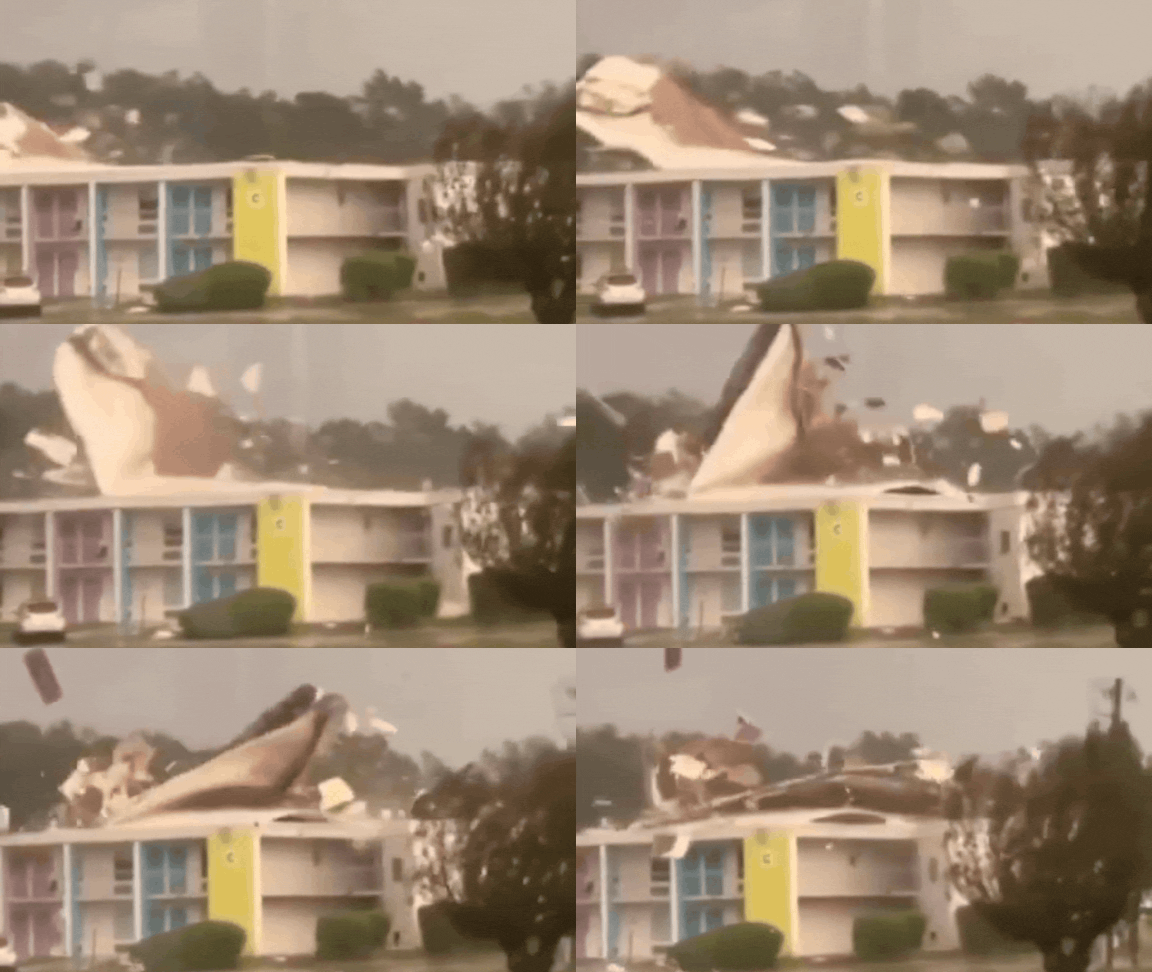
When Hurricane Isaias slammed into the northern Gulf Coast near Destin, Florida, packing winds exceeding 100 miles per hour, it did not just tear roofs off beachfront rentals or flood coastal avenues. It executed a precise, predictable stress test on an electrical grid already strained by decades of deferred modernization. Within hours of landfall, nearly 900,000 customers across eight states found themselves plunged into darkness.
The immediate casualty figures—four lives lost initially, climbing to nine across the Southeast as the post-tropical system tracked inland—tell only part of the story. Beneath the headlines of downed oak trees and flooded subdivisions lies a chronic structural vulnerability: regional distribution grids built for a 20th-century climate reality that are routinely overwhelmed by modern thermal energy fueled by an 84-degree Gulf. Recently making headlines lately: The Knock at the Door That Echoes Far Beyond One House.
The Anatomy of a Regional Blackout
To understand why a Category 2 system can paralyze infrastructure across Alabama, Florida, and Georgia, one must look at the math of distribution versus transmission. While high-voltage transmission lines get the regulatory attention, the local radial distribution lines—the wooden poles and overhead copper running through neighborhoods—are the true Achilles' heel of southeastern power grids.
When Isaias made landfall, peak outages surged past 910,000 accounts. In several northwest Florida counties, the storm interrupted service to more than four out of every five customers. Further details on this are explored by The New York Times.
The problem is not merely wind velocity. It is the compounding weight of saturated soil combined with dense, unmanaged tree canopy. When sustained winds blow through root systems weakened by torrential downpours exceeding ten inches in parts of Alabama, trees do not just fall; they act as levers, snapping utility poles and taking down multi-circuit lines simultaneously.
The Illusion of Hardening
Utility companies routinely point to vegetation management budgets and post-storm restoration times as proof of progress. Yet, hardening the grid has largely meant replacing old wood poles with slightly sturdier wood poles, rather than undertaking the capital-intensive work of undergrounding distribution lines in high-risk coastal corridors.
Undergrounding is expensive. It requires upfront capital investments that utilities are historically hesitant to pass entirely to ratepayers without protracted regulatory battles. Consequently, communities along the Gulf Coast remain locked in an annual cycle of vulnerability. Every hurricane season brings the same ritual: pre-staging repair crews from neighboring states, waiting for winds to subside, and playing a multi-day game of catch-up while perishable goods spoil and local economies grind to a halt.
Furthermore, the cascading failures extend beyond household lighting. Refineries along the Gulf were forced to curtail operations, temporarily wiping out roughly 2.5 percent of national refining capacity. Water treatment facilities relying on backup diesel generators faced fuel delivery delays as flooded roadways cut off municipal access.
The Human Cost of Vulnerability
Statistics about grid load and substation inundation obscure the reality on the ground. Among the fatalities recorded during Isaias were indirect tragedies that highlight the hidden dangers of prolonged power loss. Improperly vented portable generators deployed during extended outages resulted in carbon monoxide poisonings, while malfunctioning traffic signals—disabled by power failures—contributed to fatal motor vehicle collisions.
When the power grid fails for nearly a million people, modern life does not just pause; it introduces acute safety hazards that disproportionately impact vulnerable populations who rely on continuous electricity for medical equipment and climate control.
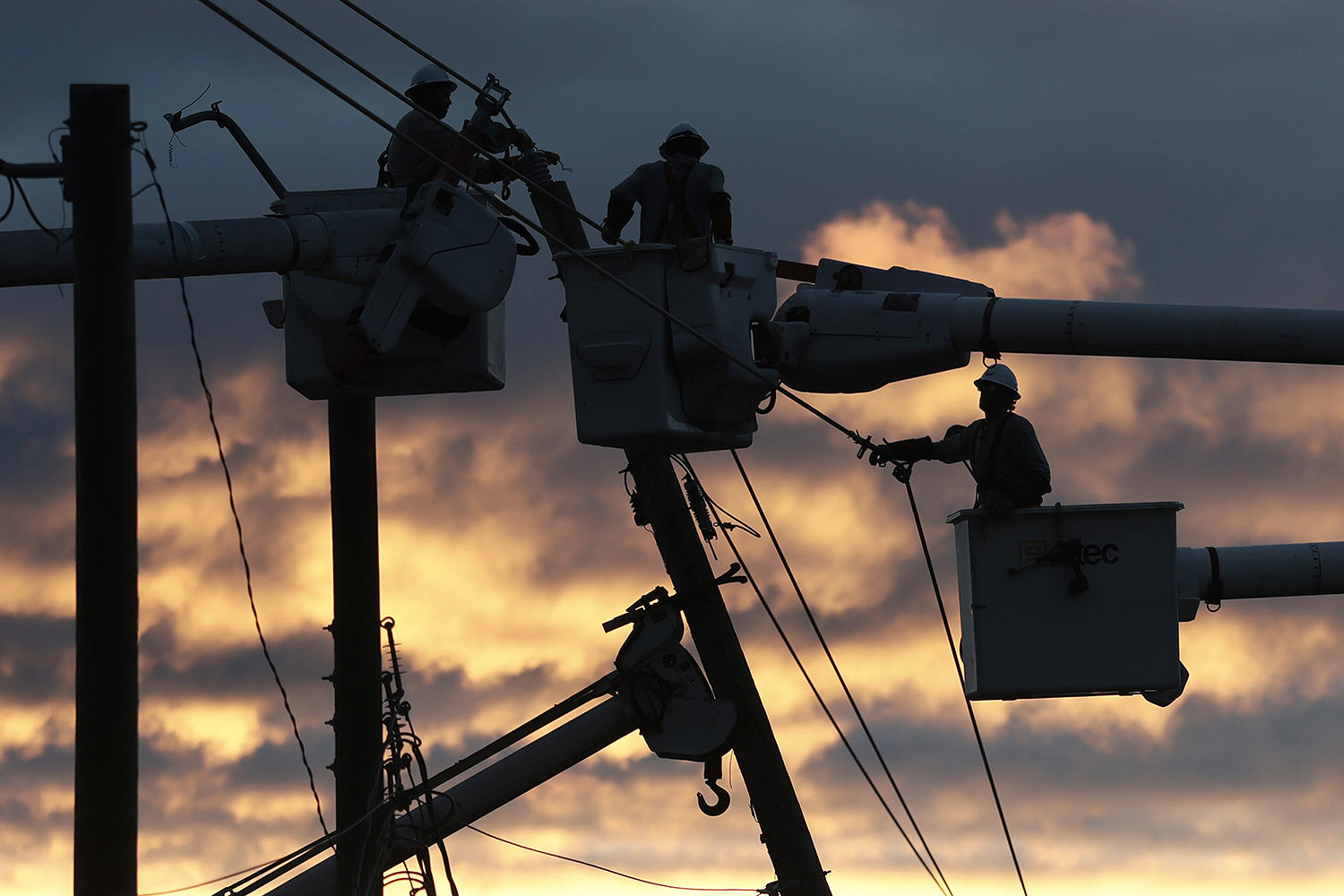
As repair crews clear debris and slowly re-energize lines across the Southeast, the fundamental question remains unaddressed. Until utility regulators shift incentives from reactive restoration to proactive, systemic grid burial and radical decentralization via microgrids, every future storm will script the exact same narrative.