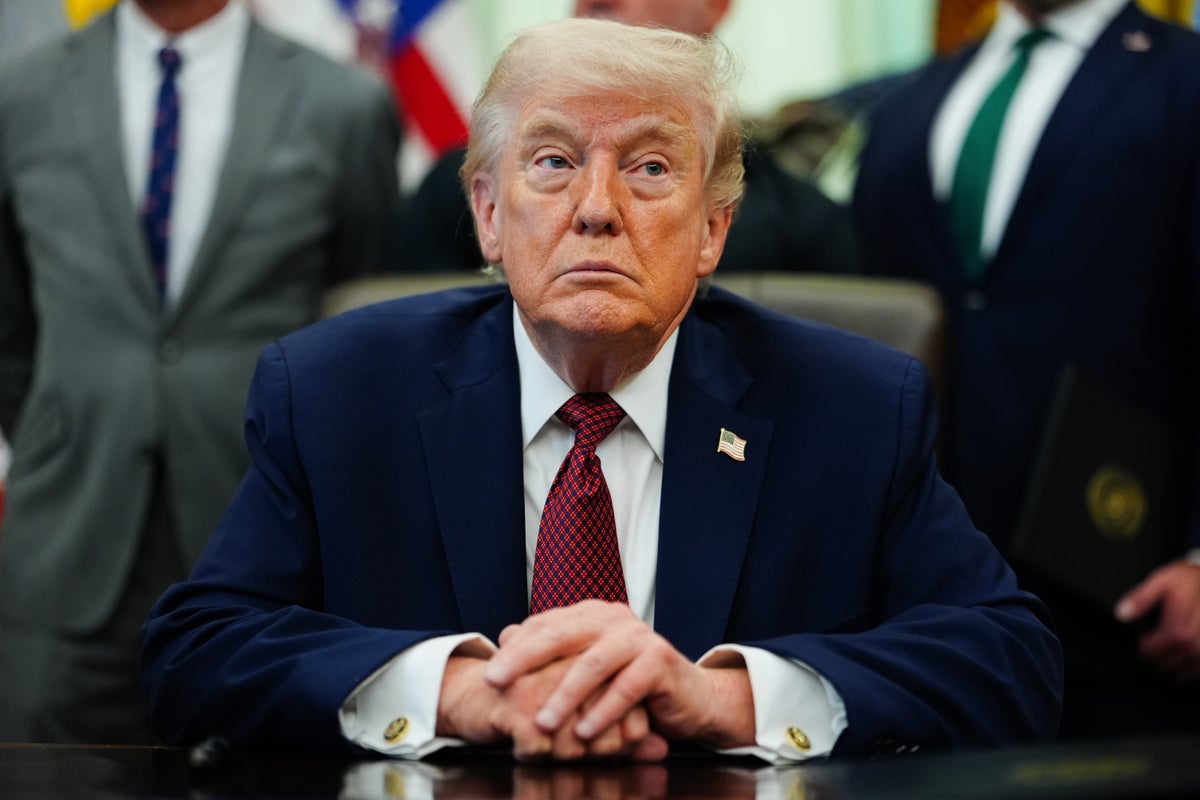
The ultimatum delivered via social media was as blunt as it was brief. On Sunday, April 19, 2026, President Donald Trump declared that if a comprehensive peace deal is not reached within the next forty-eight hours, the United States military will "knock out every single Power Plant, and every single Bridge" across the Islamic Republic of Iran. This isn’t a return to the "maximum pressure" of the previous decade; it is a shift toward a policy of total structural neutralization.
The primary query for global markets and security analysts is no longer if the U.S. will strike, but what remains of the Iranian state if the threats are carried out. With a two-week ceasefire set to expire and the Strait of Hormuz effectively a dead zone for international shipping, the stakes have moved beyond regional hegemony and into the realm of existential survival for the 93 million people living under the Tehran regime.
The Strategy of Decimation
For the past six weeks, the conflict has been defined by precision strikes on military command centers and nuclear enrichment facilities. However, the shift in rhetoric toward "every power plant and every bridge" signals a change in targeting philosophy. By threatening the power grid, the administration is targeting the very nervous system of the Iranian state.
Reliable energy is the prerequisite for everything from desalination plants—which provide drinking water to the arid southern provinces—to the digital banking systems that prevent the total collapse of the Rial. If the U.S. moves from military targets to "dual-use" civilian infrastructure, the humanitarian impact would likely be measured in weeks, not years.
Mapping the Vulnerabilities
To understand the gravity of the threat, one must look at the geography of Iranian connectivity. The country is a rugged expanse of mountains and salt deserts where a handful of critical nodes hold the entire economy together.
- The Power Grid: Iran relies heavily on a centralized grid fed by massive gas-fired plants like those in Asalouyeh and Tehran.
- Logistical Bottlenecks: The Iranian plateau is connected to its ports and neighboring trade partners by a finite number of massive concrete bridges and rail viaducts.
- The Energy Hubs: The South Pars gas field remains the crown jewel and the most significant single point of failure for domestic heating and electricity.
Why the Pakistan Talks Are the Last Stand
The U.S. delegation, led by Vice President JD Vance and including Steve Witkoff and Jared Kushner, is scheduled to arrive in Islamabad on Monday evening. This isn’t a standard diplomatic mission. It is a delivery service for a final set of terms.
The White House is demanding more than just a permanent ceasefire. The "fair and reasonable DEAL" Trump references includes the immediate and unconditional reopening of the Strait of Hormuz, the total dismantling of the Iranian ballistic missile program, and a complete cessation of all nuclear activities.
Tehran’s response has been one of cold defiance. The speaker of the Iranian parliament, Mohammad Bagher Ghalibaf, stated on Saturday that the two sides remain "far from a final discussion." From the Iranian perspective, the U.S. naval blockade—which Trump claims is costing Tehran $500 million a day—is an act of war that makes "peaceful" negotiation impossible.
The Brutal Calculus of Urban Warfare
Striking bridges in a mountainous country like Iran isn't just about stopping tanks. It's about paralyzing the distribution of food and medicine. In the capital of Tehran, a city of nearly 10 million people, the loss of power for more than 48 hours would lead to the failure of sewage treatment systems and hospital backup generators.
U.S. Ambassador to the UN Mike Waltz has defended the legality of these potential strikes, arguing that the Islamic Revolutionary Guard Corps (IRGC) routinely embeds military assets within civilian infrastructure. While that may be true in a tactical sense, the strategic outcome of such a campaign is a return to a pre-industrial state.
Critics argue that this level of destruction would not "pave the way for peace" but instead create a permanent failed state on the edge of the Persian Gulf. A country without bridges is a country that cannot be governed, even by a new, friendlier regime.
The Economic Ripples
Global oil markets have already factored in a "conflict premium," with prices spiking 20% since the February 28 opening salvos. But the destruction of the Iranian power grid would have a second-order effect on the global petrochemical market.
Iran is a major exporter of urea and other fertilizers. If the plants in Asalouyeh go dark, the shock won't just be felt at the gas pump in Ohio; it will be felt in the grain yields of South Asia and Africa. The administration seems to believe that the U.S. "loses nothing" from this blockade, but the long-term inflationary pressure of a destroyed Iran could haunt the global economy for a decade.
The Shadow of the IRGC
Despite the assassination of Supreme Leader Ali Khamenei earlier this year and the subsequent election of his son Mojtaba, the IRGC’s "multi-tiered command structure" appears to be holding. They have threatened to retaliate by hitting desalination plants in Saudi Arabia and the UAE, effectively turning the conflict into a regional resource war.
If the power goes out in Tehran, it likely goes out in Dubai and Riyadh shortly after. This is the "mutual assured darkness" that the negotiators in Islamabad are trying to prevent. The Iranians know that their conventional military cannot win a fight against the U.S. Air Force, but they also know that a scorched-earth policy in the Gulf would be a pyrrhic victory for Washington.
The clock is ticking toward a Tuesday evening deadline. If the Islamabad talks end as the previous session did—in silence and stalemate—the next 48 hours will determine if the Middle East remains a volatile region or becomes a hollowed-out ruin. The "genius of the United States," as the President put it, is currently being used to plan the systematic dismantling of a nation's ability to function. Whether that genius can be diverted toward a sustainable peace deal is the only question that matters now.
Pack your bags or dig your bunkers. The deadline is non-negotiable.