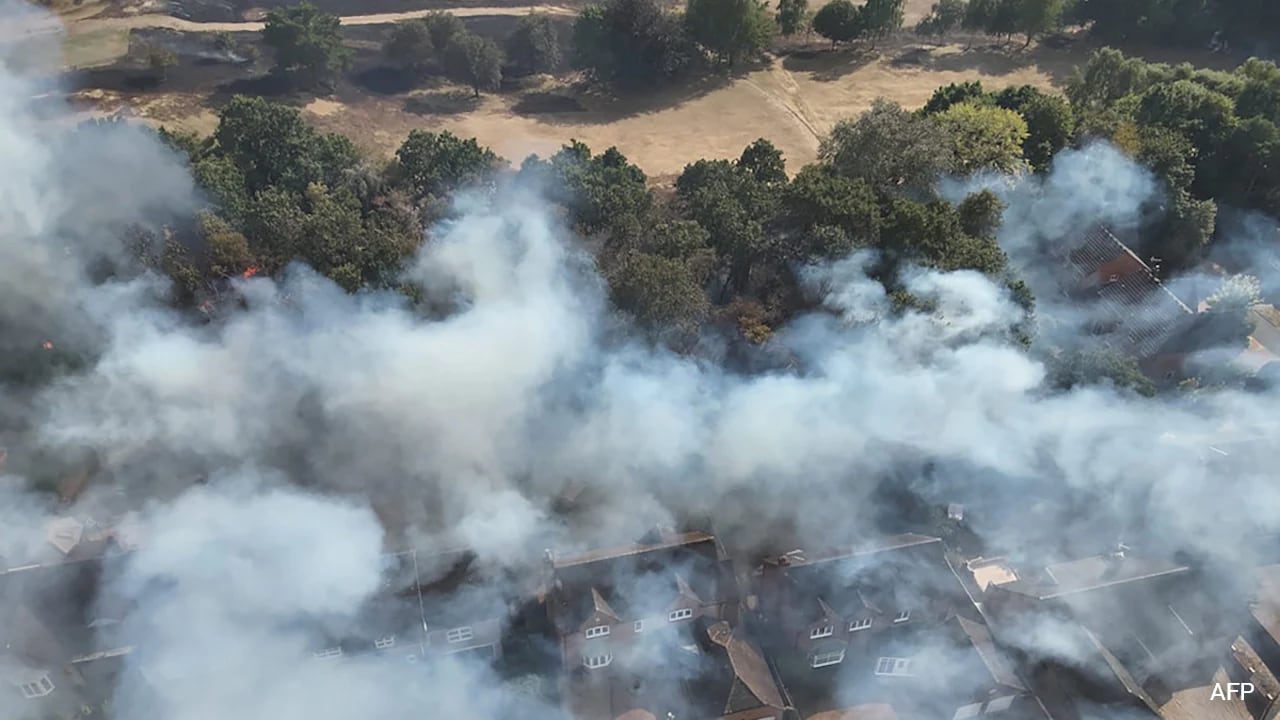
The pre-dawn sky above Kyiv did not simply light up; it fractured. When a combined barrage of ballistic missiles, cruise missiles, and jet-powered drones slammed into the Ukrainian capital and its surrounding region, at least 16 people died and dozens more were wounded. This was not a random volley of terror. It was a meticulously synchronized aerial assault designed to exploit the hard geometry of exhaustion, weapon shortages, and the thin margins of modern air defense.
Reporting on casualty numbers misses the structural mechanics of how this war is actually evolving. For months, the cadence of bombardment has shifted from scattered skirmishes to industrial-scale saturation. The attack began before midnight, much earlier than the customary nocturnal strike windows. Explosions echoed across the Darnytskyi, Sviatoshynskyi, and Solomianskyi districts as residential blocks, medical facilities, and educational institutions absorbed the impact.
Air defense mathematics dictate the terms of survival on the ground. When a state launches dozens of high-speed ballistic missiles alongside a swarm of nearly 170 drones, interception rates become a brutal game of triage. Ukrainian forces successfully intercepted scores of cruise missiles and drones, but the high-speed ballistic vectors pierced the shield. International stockpiles of specialized interceptors remain low, strained by competing global conflicts and years of continuous attrition.
The human cost behind these numbers is etched into the rubble of apartment buildings where top floors were sheared away entirely. Emergency responders sifted through the debris in the freezing dark, pulling residents from shattered stairwells. Sixty-year-old Larysa Bondaruk clutched her rescued cat, Chanel, recounting the sudden flash of fire and the loss of her neighbor's grandson under collapsed concrete. These are the raw, unpolished contours of a war fought in civilian living rooms.
Moscow's military apparatus claimed the targets were industrial sites manufacturing cruise missile components, drone storage facilities, and ammunition depots. On the ground, however, ordinary infrastructure bore the heaviest brunt. Warehouses operated by the Ukrainian Red Cross in Boryspil burned through the morning. Schools, clinics, and car parks turned into blast zones.
This escalation is reciprocal and expanding. Even as Kyiv absorbed the overnight onslaught, Ukraine pushed long-range drone strikes deep into Russian territory, targeting oil refineries in Tatarstan and oil terminals in Krasnodar. The theater of operations now spans more than a thousand kilometers of frontline friction, complemented by a sky-war of attrition where both sides try to bankrupt the other's interceptor reserves.
Neighboring states felt the shockwaves immediately. Poland scrambled military aviation and activated ground-based air defense systems as missiles traced the western edge of Ukrainian airspace. Romanian defense ministries monitored unidentified drone traffic near their borders, forcing foreign fighter jets into the night sky for emergency patrols. The war refuses to stay contained within national boundaries.
President Volodymyr Zelenskyy reiterated urgent pleas for more high-end interceptors, warning that diplomatic resolutions remain distant while Russia maintains its advantage in ballistic volume. Every unintercepted missile deepens the structural crisis of European security. The sirens will sound again before the smoke clears.