Malaysia is currently constructing a high-stakes technology and research corridor designed to anchor its economy within the shifting tectonic plates of Asian innovation. Faced with the undeniable gravitational pull of China’s rapid technological scaling, Kuala Lumpur is not simply reacting; it is attempting a delicate diplomatic and industrial balancing act. By formalizing cross-border technology transfer agreements, establishing joint laboratories, and integrating deeply with infrastructure initiatives like the New International Land-Sea Trade Corridor, Malaysian policymakers are betting that deep technical integration will secure the nation's financial sovereignty rather than compromise it.
Yet, beneath the official optimism of bilateral science forums and ministerial handshakes lies a more complicated operational reality. Decades of industrial policy in Southeast Asia reveal a recurring vulnerability. Heavy inflows of foreign direct investment can inflate headline gross domestic product figures while leaving local labor markets structurally detached from high-value intellectual property creation. Meanwhile, you can find related stories here: Why Corporate Cleanliness Rituals Are Mostly Smoke and Mirrors.
The Mechanics of the Corridor
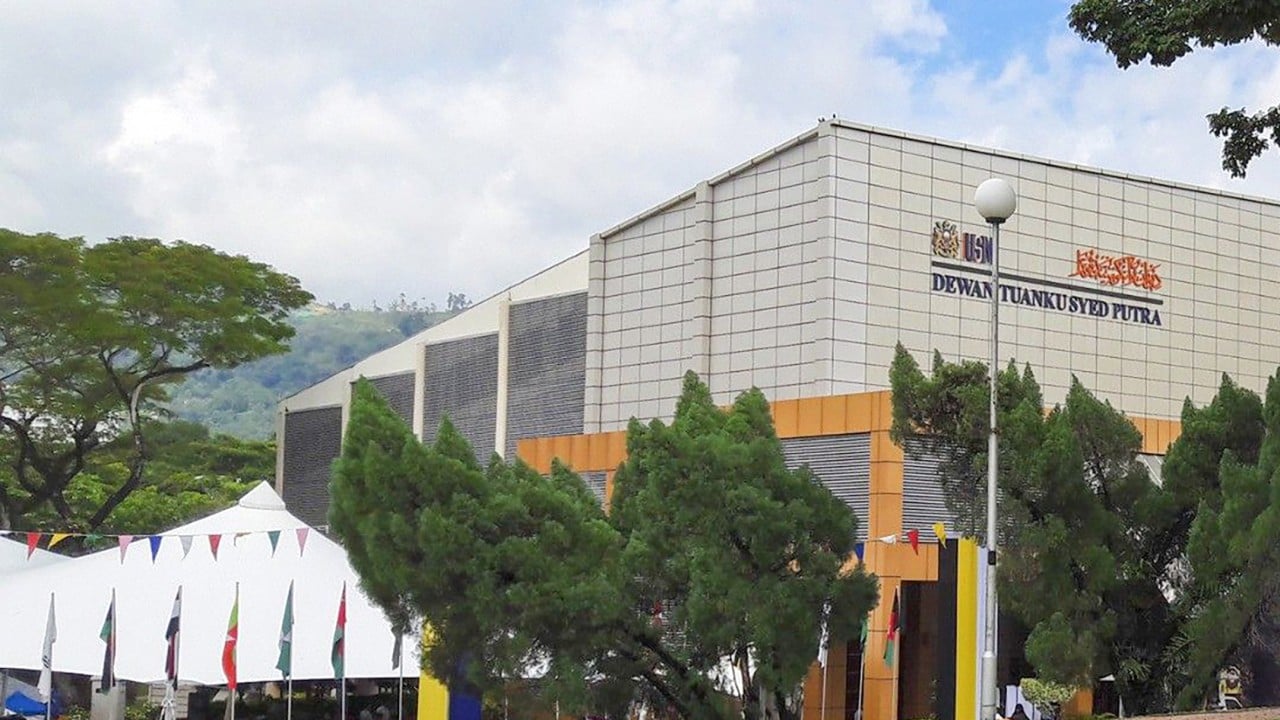
To understand why this new research axis matters, one must examine the physical and digital geography of the undertaking. The initiative links Malaysian academic and industrial powerhouses—such as Universiti Sains Malaysia—with Chinese innovation centers, notably Chongqing. The stated targets are concrete: artificial intelligence, advanced semiconductor packaging, electric vehicle ecosystems, biomedicine, and renewable energy technology.
Malaysia already occupies a crucial niche in the global semiconductor supply chain, historically specializing in back-end assembly, testing, and packaging (ATP). When global supply chains fractured under pandemic-era shocks and escalating geopolitical trade restrictions, semiconductor giants and Chinese technology firms alike sought neutral ground. Malaysia offered stable infrastructure, established trade routes, and a welcoming regulatory framework. To explore the full picture, we recommend the detailed article by The Wall Street Journal.
However, assembly and testing are downstream activities. The real economic value rests further upstream in chip design, raw intellectual property, and foundational research. Through this new corridor, Malaysian institutions hope to move up the value chain by co-developing technologies rather than merely hosting foreign production lines.
The Resource Bottleneck
Ambition meets severe physical limits on the ground, particularly in fast-growing technology hubs like Johor and Selangor. The influx of massive data centers, advanced manufacturing plants, and joint research laboratories places an unprecedented strain on municipal water supplies and electrical grids.
Consider the hypothetical strain of a newly commissioned artificial intelligence computing cluster paired with a semiconductor fabrication facility. Such an installation requires uninterrupted power capacities and millions of gallons of cooling water daily. When multiple regional authorities approve large-scale digital infrastructure concurrently without upgrading underlying municipal utilities, grid instability follows.
Neighboring Singapore faced similar physical constraints years ago, leading to strict moratoriums on new data center builds that ultimately redirected spillover capital into southern Malaysia. If Malaysia fails to match its high-tech ambitions with aggressive upgrades to its power generation and water management infrastructure, the very corridor meant to secure future growth could trigger severe localized shortages.
Navigating the Great Power Fracture
The deeper strategic hazard involves navigating the intensifying technological cold war between Washington and Beijing. Malaysia has long championed a foreign policy of centrality and neutrality within the Association of Southeast Asian Nations (ASEAN). Economically, China remains an indispensable partner, driving historic levels of investment in digital platforms, clean energy, and manufacturing. Financially, the returns are immediate and substantial.
Simultaneously, Malaysia relies heavily on Western capital, multinational semiconductor equipment vendors, and global financial markets. When Beijing-linked entities establish deep research ties and joint ventures on Malaysian soil, Washington watches closely. U.S. export controls and secondary sanctions target advanced computing and semiconductor technologies specifically to curb China's upward trajectory.
For Malaysian firms caught in the middle, compliance is a high-wire act. If local laboratories utilize co-developed technologies that cross sensitive regulatory thresholds, they risk running afoul of Western trade restrictions. This could cut them off from essential American electronic design automation tools or specialized manufacturing equipment.
Measuring True Transfer
True technology transfer is notoriously difficult to mandate through memoranda of understanding. Historically, foreign technology investments in developing markets frequently result in enclave economies. In these setups, high-tech machinery is imported, operated by specialized foreign personnel or localized expatriates, and the resulting intellectual property remains overseas. Domestic firms capture assembly wages and basic service revenues, but local engineers are rarely integrated into core research and development pipelines.
To determine whether this new corridor succeeds, analysts must look beyond the total ringgit value of announced foreign direct investment. The real metrics of success are less glamorous: the number of joint patents successfully filed by domestic Malaysian researchers, the percentage of local engineering graduates holding senior R&D roles rather than maintenance positions, and the degree to which indigenous small and medium enterprises supply the high-tech ecosystem.
Kuala Lumpur is playing an aggressive hand with skill, leveraging its geopolitical positioning to extract maximum value from both sides of the Pacific. Yet, the margin for error narrows with every gigawatt consumed and every export rule rewritten. The corridor is open, the laboratories are planned, and the race to define Asia's technological future is moving past the starting line.
Malaysia ready to be China's strategic partner across key industries
This video provides additional context on Malaysia's strategic economic positioning and diplomatic outreach regarding industrial partnerships with China.