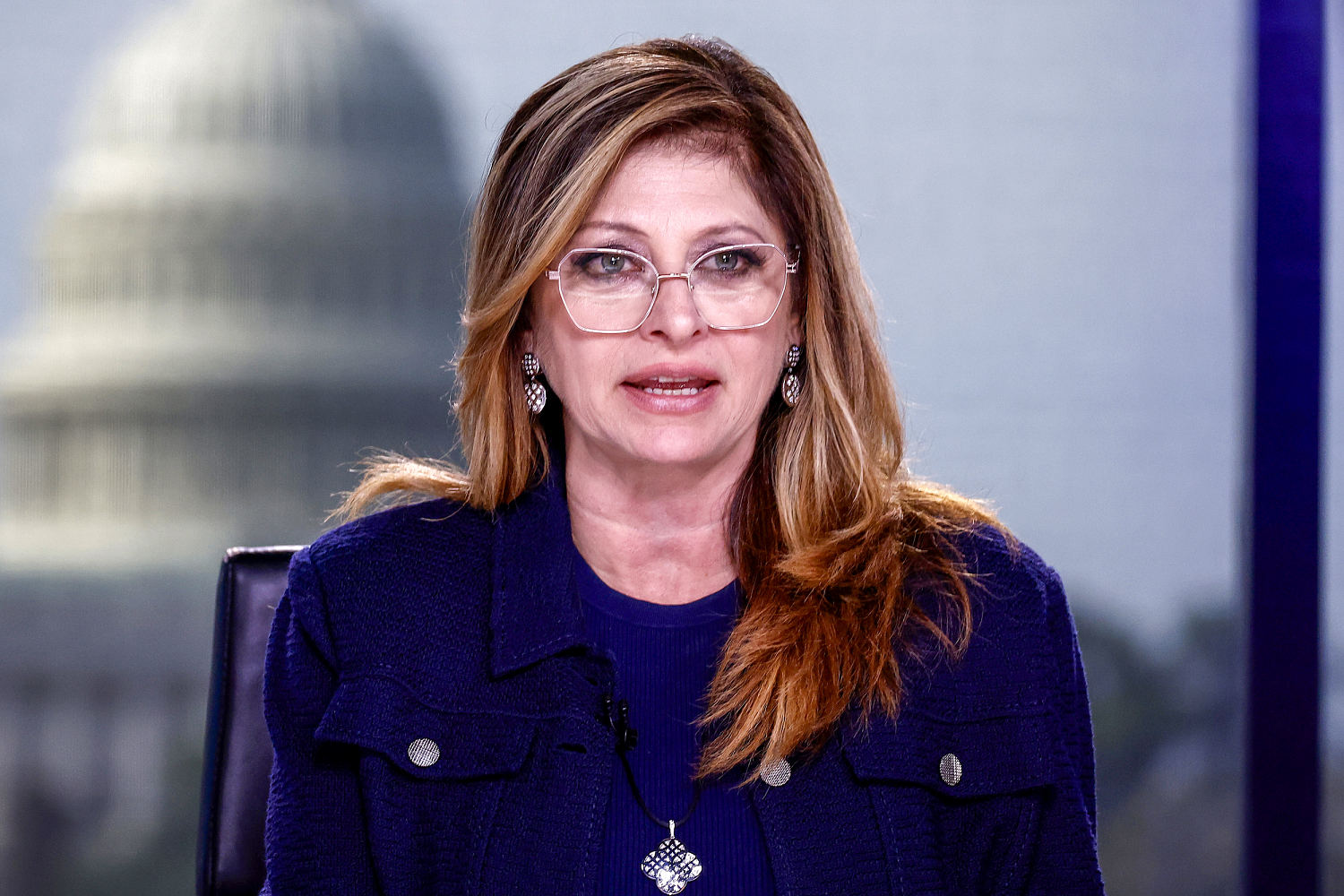
The corporate machinery of cable news rarely operates with clean lines or gentle departures. When Fox News Media announced that Maria Bartiromo was leaving the network after more than a decade, the official corporate framing was characteristically sterile. A brief statement thanked her for twelve and a half years of service and wished her well on her next chapter, offering zero structural context for the sudden dissolution of a multi-show partnership. Almost immediately, the PR machinery of high-stakes television began spinning. High-powered attorney Bryan Freedman stepped into the fray to insist that reports of her firing were entirely false, claiming to hold receipts and witnesses destined for a courtroom or public square. Yet this semantic skirmish over whether she was pushed or jumped obscures the deeper structural mechanics at play. The abrupt termination of "Mornings with Maria" and the swift rebranding of her airwaves point to an institutional realignment far more severe than a simple contract dispute.
To understand why this split happened now, one must look beyond the immediate legal posturing and examine the intersection of corporate risk management and political alignment. Media organizations sitting atop massive corporate structures operate under constant legal anxiety, particularly following historic defamation settlements that cost networks hundreds of millions of dollars. When talent crosses the line between commentary and internal operational leaks—such as reports that internal editorial guidance was shared directly with political principals—the calculus changes overnight. Executive leadership can no longer view high-profile anchors merely through the lens of ratings dominance. They must weigh every hour of broadcasting against potential liability. Freedman can argue definitions all he wants, but networks do not dismantle stable morning lineups and reassign marquee Sunday slots on a whim.
The friction between on-air talent and corporate headquarters has historically defined the life cycle of modern cable news. Anchors who build a personal brand independent of the corporate masthead eventually realize that their loyal audience follows them, not the channel. Bartiromo cultivated a fiercely loyal viewership during her tenure at Fox Business and Fox News, becoming an indispensable morning fixture for conservative audiences and establishing a direct line of communication with political figures like Donald Trump, who publicly lamented her departure as an unbelievable mistake. This dynamic creates a dual-sovereignty problem. When an anchor commands an audience that supersedes network loyalty, corporate controls begin to feel like censorship to the talent, while editorial oversight feels like an existential hazard to the executives.
The speed with which Fox dismantled her programming block demonstrates how quickly corporate entities protect their flanks. Within hours of the announcement, "Mornings with Maria" was scrubbed and replaced with rotating anchors under a generic banner, while Jason Chaffetz was slotted into "Sunday Morning Futures". This is not the behavior of a network negotiating a soft exit or planning a graceful retirement tour. It is an emergency protocol designed to secure the perimeter. Corporations do not burn down a profitable franchise unless they believe the ongoing presence of that franchise poses a risk that outweighs its commercial return. By moving instantly to neuter the brand equity attached to Bartiromo's name on their schedule, network executives signaled that control of the editorial workflow remains non-negotiable.
Freedman's invocation of future legal battles and hidden documentation hints at a protracted war of attrition. High-profile employment disputes in television rarely resolve quietly behind closed doors when reputations and legacy are on the line. Yet the framing of whether she was fired or resigned voluntarily misses the forest for the trees. The real story lies in the shrinking margin for error inside major newsrooms. As the economic model of cable television shifts and political pressures intensify, the tolerance for friction between corporate compliance departments and high-voltage opinion hosts has evaporated. Bartiromo may fight to protect her professional legacy through legal threats and public statements, but the network has already moved past her, rewriting the schedule before the ink on her press release was dry.
The broader media ecosystem watches this fallout with acute anxiety because it establishes a fresh precedent for how networks handle high-stakes talent liability. When an anchor becomes a lightning rod for institutional friction, the corporate response is swift, surgical, and absolute. The era of the untouchable cable news titan, insulated by high ratings alone, is drawing to a close. Executives sitting in corporate boardrooms have decided that predictability and risk mitigation matter more than raw audience capture, leaving veterans like Bartiromo to fight for their narrative in the courts while their former fiefdoms continue broadcasting without them.


